
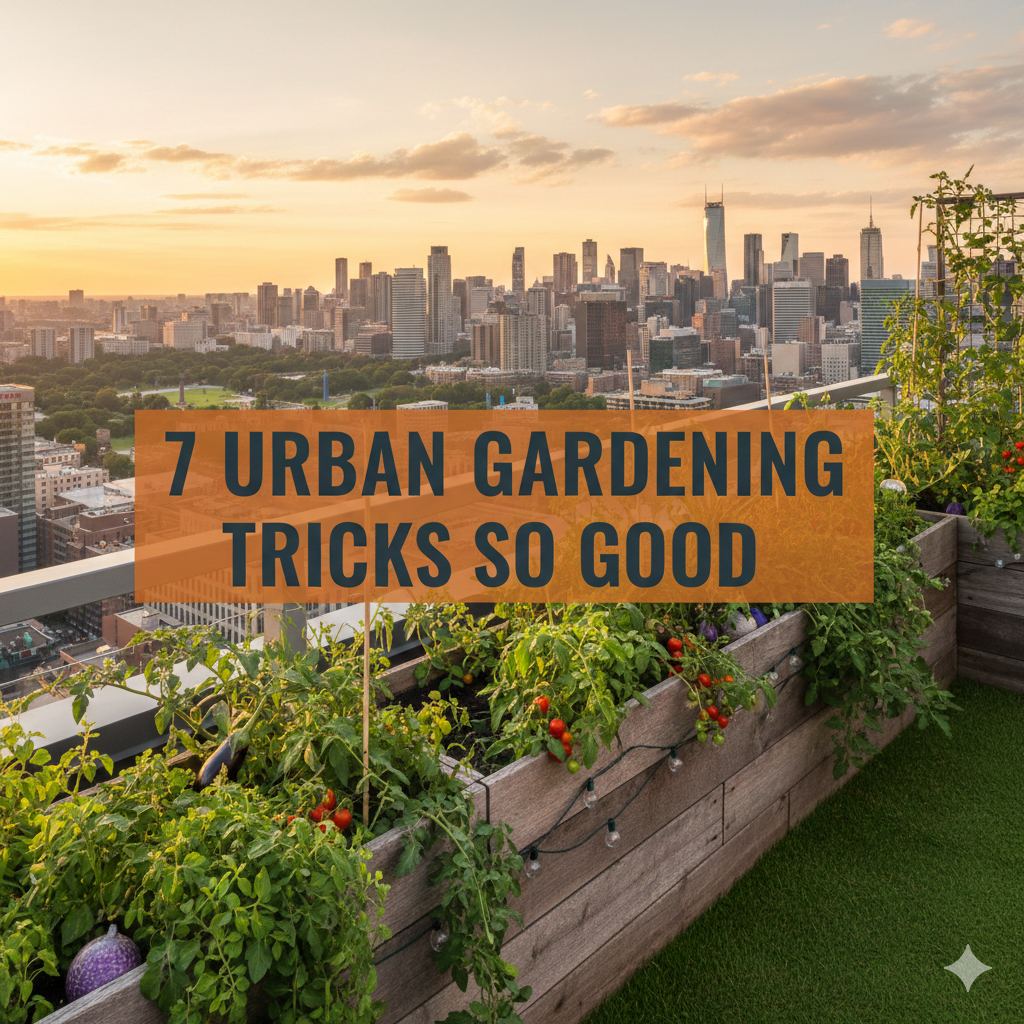
Can your balcony, windowsill or rooftop become a natural pharmacy?
No white coat required. No prescription needed.
Millions of urban dwellers are quietly transforming tiny outdoor spaces into medicinal herb gardens — and the results are pretty astonishing. Fresh herbs for headaches, digestion, stress, cuts, colds and other ailments, grown a few feet from your front door.
This isn’t some ancient art lost to the ages. It’s happening in real-time, on apartment balconies across Tokyo, London, New York and beyond.
But here’s the catch — most people do it wrong. They purchase a selection of random herb plants, cram them into containers and then question why nothing flourishes. Growing is only part of the secret. It’s how you grow it, where you put it, and what combinations actually work.
That’s precisely what this guide aims to address.
These 7 secret urban pharmacy gardening tricks are the strategies that seasoned urban herb growers quietly use to get maximum results from minimum space. They’re no-frills, budget-friendly and totally beginner-friendly.
Do you want to transform your city space into a green healing corner? Let’s get into it.
First, What Is Urban Pharmacy Gardening, Exactly?
Urban pharmacy gardening is the practice of growing medicinal and wellness herbs in small city spaces — balconies, rooftops, windowsills, fire escapes, or even indoors under grow lights.
The aim is not just to have beautiful plants. It’s to grow herbs that have a purpose — herbs that soothe anxiety, promote digestive health, fight inflammation, repel insects or enhance immunity.
Consider it creating a living medicine cabinet.
Common herbs found in urban pharmacy gardens include:
- Lavender — Anxiety relief, sleep aid, skin soother
- Peppermint — Upset stomach, headaches, energy boost
- Echinacea — Immune support, cold prevention
- Lemon balm — Anxiety, insomnia, antiviral properties
- Calendula — Skin inflammation, wound healing
- Chamomile — Relaxation, sleep, digestive relief
- Rosemary — Circulation, antibacterial and memory support
These are not exotic plants from a rainforest. Most of them thrive contentedly in containers, require little fuss and deliver results time after time.
Now let’s dive into the tricks that lead to urban pharmacy gardens that thrive versus those that struggle.
Trick #1 — Verticalize Your Garden, Not Horizontally
Think Up, Not Out
The biggest mistake urban gardeners make is to think like a suburban gardener. In the suburbs, you widen. In the city, you go up.
Vertical gardening is by far the best way to increase your growing space without requiring an additional square foot of floor space.
A wall-mounted pallet garden, a tiered shelf system or a hanging pocket organizer can accommodate 15–20 herb plants in the space a single flower pot typically occupies. That’s not hyperbole — it’s simple geometry.
Best Vertical Setups for Medicinal Herbs
| Setup Type | Cost | Plants It Holds | Best For |
|---|---|---|---|
| Hanging pocket organizer | $10–$20 | 8–12 plants | Balconies, fences |
| Tiered plant shelf | $25–$60 | 12–18 plants | Patios, indoors |
| Wall pallet garden | $0–$15 | 10–16 plants | Outdoor walls |
| Stacked terracotta pots | $15–$30 | 6–9 plants | Compact corners |
| PVC tower system | $20–$40 | 15–20 plants | Balconies, rooftops |
Which Medicinal Herbs Work Best Vertically
Not every medicinal herb will thrive in a vertical system. Shallow-rooted herbs do best.
Great for vertical gardens:
- Peppermint, spearmint, lemon balm
- Thyme, oregano, chives
- Chamomile, calendula (in deeper pockets)
- Basil, parsley, cilantro
Avoid going vertical with:
- Echinacea (deep taproot)
- Valerian (gets tall and heavy)
- Comfrey (large and spreading)
Place taller herbs in the lower areas of vertical setups, and smaller, trailing herbs near the top. This ensures that each plant gets its fair share of sunlight.
Trick #2 — Map Your Companion Planting Before You Sow Anything
Plants Have Best Friends Too
Here’s the trick that most novice gardeners completely skip — and then wonder why their plants don’t thrive.
Companion planting is the practice of growing certain plants next to each other because they mutually benefit one another. Certain herbs keep away pests that target nearby plants. Some fix nitrogen in the soil that nourishes adjacent plants. Some simply grow better alongside the right companion.
In an urban pharmacy garden, companion planting does double duty. It makes optimal use of space and minimizes the need for pesticides or chemical fertilizers.
High-Value Companion Pairings for Medicinal Herbs
| Plant | Best Companion | Why It Works |
|---|---|---|
| Lavender | Rosemary | Both thrive in dry, sunny conditions — love it together |
| Chamomile | Peppermint | Chamomile increases peppermint’s essential oil production |
| Calendula | Basil | Calendula repels aphids that attack basil |
| Lemon balm | Tomatoes | Lemon balm repels whiteflies |
| Echinacea | Coneflowers | Attract pollinators all around the garden |
| Thyme | Oregano | Share exactly the same water and light needs |
What NOT to Plant Together
Just as important is knowing the bad pairings:
- Fennel is toxic to most herbs — keep it separate
- Mint takes over everything — always grow in a separate container
- Wormwood emits chemicals that suppress the growth of nearby plants
Before you purchase even one plant, sketch out a simple map of your space. Note sun exposure, wind direction and which areas receive the most rain or shade. Then assign plants based on what they need and who they grow well with.
This five-minute step will save months of frustration.
Trick #3 — Use the “Chop and Come Again” Harvesting Method
How to Get Herbs That Never Stop Producing
Most people harvest herbs the wrong way. They either take too little (and the plant bolts to seed) or too much (and the plant gets shocked and dies).
The chop and come again method is the middle path — and it’s why some urban pharmacy gardens deliver fresh herbs all year round while others go dry by August.
Here’s the principle: when you harvest an herb, never take more than one-third of the plant at once. And always cut just above a leaf node — the small bump on the stem where new leaves will sprout.
This signals the plant to branch out, not up. Instead of growing one tall, leggy stem, it becomes a bushy, full plant that keeps on producing.
Harvesting Guide by Herb
| Herb | When to Harvest | How Much to Take | Regrowth Time |
|---|---|---|---|
| Basil | Before flowering | Up to 1/3 of plant | 1–2 weeks |
| Peppermint | Anytime in season | Up to 1/2 (very hardy) | 1 week |
| Chamomile | Once flowers fully open | Flower heads only | 2–3 weeks |
| Lavender | As buds form, before full bloom | Top 1/3 of stems | 4–6 weeks |
| Lemon balm | Before flowering | Up to 1/3 of plant | 2 weeks |
| Rosemary | Anytime | Soft new growth tips only | 2–3 weeks |
| Calendula | When flowers are open | Flower heads only | 1–2 weeks |
One Extra Tip That Changes Everything
Always harvest medicinal herbs in the morning, after the dew has dried but before the midday sun shines on them. This is when the plant’s essential oils — the compounds responsible for most of the medicinal value — are at their highest concentration.
It seems like a minor detail. But it really does make your dried herbs more potent and your fresh ones more fragrant.
Trick #4 — Feed Your Soil Like You’re Feeding Yourself
Healthy Soil = Healthy Medicine
Here’s a truth that took veteran growers years to learn: the medicine is in the soil.
A lavender plant cultivated in nutrient-dense, well-draining soil will produce far more linalool (its key calming compound) than the same plant struggling through poor, compacted dirt. The same is true for every medicinal herb.
Urban gardeners tend to use bagged potting mix straight from the store and call it done. That’s a fine starting point — but not quite enough for a genuine pharmacy garden.
The Urban Pharmacy Soil Recipe
Mix these together for a potting blend that medicinal herbs love:
- 40% quality potting mix — Base structure
- 20% perlite or coarse sand — Drainage (medicinal herbs hate wet roots)
- 20% compost — Nutrients and beneficial microbes
- 10% worm castings — Slow-release nutrition and soil biology
- 10% coconut coir — Moisture retention without waterlogging
This mix drains quickly, holds just enough moisture and feeds plants slowly over time.
Natural Fertilizer Options for Medicinal Herbs
Avoid synthetic fertilizers in a pharmacy garden. You’re eventually going to consume these plants. Stick to organic options:
| Fertilizer | What It Does | How to Use |
|---|---|---|
| Compost tea | Feeds soil biology | Water with it weekly |
| Fish emulsion | Boosts leafy growth | Dilute and apply monthly |
| Worm castings | Gentle all-around feeding | Mix into soil or top-dress |
| Seaweed extract | Strengthens plant immunity | Spray on leaves fortnightly |
| Banana peel water | Adds potassium | Soak peels, use the water |
Never fertilize heavily in midsummer heat — it puts the plants under stress. Instead, feed lightly and consistently throughout the growing season.
Trick #5 — Become an Expert Microclimate Mapper
Your Balcony Has More Than One Climate
This trick seems technical but is pretty straightforward once you see it.
A microclimate is a small zone within your growing space that has slightly different conditions from the surrounding area. One corner of your balcony might be sunny all day. Another might be shaded by a wall. One spot may be hit by wind every afternoon while the area beside it stays perfectly still.
These microclimates go unnoticed by most beginners — but seasoned urban pharmacy gardeners map them out and use them strategically.
How to Map Your Microclimates in 3 Days
Day 1 — Light mapping: Every two hours, walk through your space from morning until evening. Note which spots get full sun, partial shade or full shade at each time.
Day 2 — Wind mapping: Monitor where the breeze hits hardest. Mark wind-exposed zones versus sheltered zones.
Day 3 — Moisture mapping: After rainfall or watering, observe where puddles form (poor drainage) and where the surface dries fastest (good drainage, but possibly too fast).
Matching Herbs to Microclimates
| Microclimate Type | Best Medicinal Herbs |
|---|---|
| Full sun, dry | Lavender, rosemary, thyme, oregano |
| Full sun, moderate moisture | Basil, calendula, echinacea |
| Partial shade | Lemon balm, chamomile, mint, parsley |
| Full shade | Valerian, sweet cicely, wild garlic |
| Windy spots | Do not place any herbs here — use as a windbreak zone |
Placing the right herb in the right microclimate reduces your watering needs, lowers plant stress and boosts the medicinal potency of your harvest. It is one of the most underutilized tricks in urban gardening.
Trick #6 — Grow From Seed, Not Just Transplants
The Trick That Triples Your Plant Count for Almost Nothing
Buying herb transplants from a nursery is convenient. But it’s also expensive — and it severely limits which varieties you can grow.
Growing from seed opens up a world of medicinal varieties that nurseries simply don’t carry. Prefer German chamomile over Roman? Holy basil (tulsi) over sweet basil? A mint with a specific flavor profile? Seeds are where you’ll find them.
And the cost difference is staggering.
A single nursery transplant costs $4–$8. A packet of 100+ seeds costs the same — or less.
Seed Starting Basics for Urban Pharmacy Gardens
You don’t need a greenhouse. A warm windowsill and a basic seed-starting tray is enough for most medicinal herbs.
What you need:
- Seed-starting tray with cells or small pots
- Seed-starting mix (lighter than regular potting mix)
- A spray bottle for gentle watering
- Plastic wrap or a humidity dome
- A bright window or basic grow light
General timeline:
- Seeds germinate: 5–21 days depending on the herb
- Seedlings ready to pot up: 3–5 weeks after germination
- Ready for outdoor placement: 6–8 weeks after germination
Herbs That Are Easiest to Grow From Seed
| Herb | Germination Time | Difficulty | Notes |
|---|---|---|---|
| Basil | 5–10 days | Easy | Needs warmth |
| Chamomile | 7–14 days | Easy | Sprinkle on surface, don’t bury |
| Calendula | 5–15 days | Easy | Direct sow outdoors works great |
| Peppermint | 10–16 days | Moderate | Keep soil consistently moist |
| Lemon balm | 10–14 days | Easy | Slow at first, then fast |
| Lavender | 14–21 days | Moderate | Needs cold stratification |
| Echinacea | 10–21 days | Moderate | Cold stratification recommended |
Pro tip: Label every tray immediately. Medicinal herb seedlings all look nearly identical for the first few weeks, and the confusion is very real.
Trick #7 — Preserve, Process, and Stack Your Harvest
Don’t Just Grow It — Make It Last
The final trick is what transforms a casual herb garden into a genuine urban pharmacy.
Most people harvest a few leaves, use them fresh and let the rest go to waste. That’s fine for culinary herbs. But medicinal herbs deserve a more intentional approach.
Properly preserved medicinal herbs can last 1–3 years without losing their potency. That means a good summer harvest can stock your natural medicine cabinet through two full winters.
For even more guidance on growing and preserving healing herbs at home, The Herb Garden is an excellent resource packed with practical tips for every level of grower.
Four Preservation Methods for Medicinal Herbs
1. Air Drying The simplest method. Bundle stems together and hang upside down in a warm, dry, dark space with good airflow. Most leafy herbs dry completely in 1–2 weeks. Store in glass jars away from light and heat.
2. Oven Drying (Low and Slow) Preheat your oven to its lowest setting (ideally 95–115°F). Spread herbs on a baking tray and leave the oven door slightly open. Check every 30 minutes. Flowers like calendula and chamomile do especially well this way.
3. Tinctures Soak fresh or dried herbs in high-proof alcohol (vodka works well) for 4–6 weeks. Strain and bottle. Tinctures preserve the full medicinal profile of the herb and last up to 5 years.
4. Herbal Infused Oils Fill a jar with dried herb and cover completely with a carrier oil (olive oil, jojoba or sunflower). Leave in a warm, sunny spot for 4–6 weeks. Strain and use topically. Perfect for calendula, lavender and chamomile.
Preservation Method at a Glance
| Method | Best Herbs | Shelf Life | Use |
|---|---|---|---|
| Air drying | Lavender, rosemary, thyme, mint | 1–2 years | Teas, cooking |
| Oven drying | Calendula, chamomile, basil | 1–2 years | Teas, infusions |
| Tinctures | Echinacea, lemon balm, valerian | 3–5 years | Internal use |
| Infused oils | Calendula, lavender, chamomile | 6–12 months | Topical use |
| Freezing | Basil, mint, parsley | 6–12 months | Cooking, fresh use |
How to Build Your Urban Pharmacy Garden: A Starter Plan
If you’re beginning from scratch, here’s a simple first-season plan that covers the basics of healing and fits into a small urban footprint.
The Beginner Urban Pharmacy Starter Kit
| Herb | Primary Use | Space Needed | Difficulty |
|---|---|---|---|
| Peppermint | Digestion, headaches | 6-inch pot | Easy |
| Lavender | Stress, sleep, skin | 8-inch pot | Easy |
| Chamomile | Relaxation, digestion | 6-inch pot | Easy |
| Calendula | Skin healing, inflammation | 8-inch pot | Easy |
| Lemon balm | Anxiety, antiviral | 6-inch pot | Easy |
| Basil (Holy/Tulsi) | Immunity, stress | 6-inch pot | Easy |
| Rosemary | Memory, circulation | 10-inch pot | Easy |
This seven-herb starter kit covers digestion, stress, immunity, sleep and skin — essentially a basic medicine cabinet in seven pots. Total space required: under four square feet.
FAQs About Urban Pharmacy Gardening
Q: Can I start urban pharmacy gardening without a garden? Not at all. A sunny windowsill, a small balcony or even a grow light setup indoors is all you need to get started. Many successful urban pharmacy gardens exist entirely indoors.
Q: Are homegrown medicinal herbs as effective as store-bought supplements? Freshly grown and well-preserved herbs can be very potent. However, for serious health conditions, always consult a doctor. Medicinal herbs are best suited for everyday wellness support, not as replacements for prescribed treatment.
Q: How much sunlight do most medicinal herbs need? The majority of medicinal herbs prefer 6–8 hours of sunlight daily. Mediterranean herbs such as lavender, rosemary and thyme require full sun. Shade-tolerant types like lemon balm and mint thrive with 4–6 hours.
Q: Can I grow medicinal herbs indoors all year long? Yes. With a good grow light (LED full-spectrum is most efficient) and proper care, many medicinal herbs thrive indoors through all four seasons. Chamomile, lemon balm, peppermint and basil are especially well-suited to year-round indoor growing.
Q: How can I naturally keep pests away from my medicinal herbs? Companion planting is your first line of defense. Calendula repels aphids. Lavender deters moths and flies. You can also use diluted neem oil spray, insecticidal soap or simply blast pests off with water. Keeping plants healthy and well-spaced prevents most infestations.
Q: Is it safe to use herbs I grow at home medicinally? Yes, broadly — provided you identify your plants correctly, grow them organically and use them appropriately. Begin with well-known, gentle herbs like chamomile, lavender and peppermint. Research each herb before internal use, particularly if you take medications or are pregnant.
Q: What time of year is best to start an urban pharmacy garden? Spring is ideal — after the last frost date for your area. However, many herbs can be started indoors from seed in late winter and transferred outside once temperatures warm up. Perennials like lavender and mint can also be planted in early autumn.
Final Thoughts — Your City Space Is More Healing Than You Think
These 7 secret urban pharmacy gardening tricks are not rocket science. They don’t require a green thumb, a big budget or acres of land.
They need curiosity, a little planning and the willingness to look at your small city space in new ways.
Think vertically. Plan your companions. Harvest the right way. Treat your soil like the precious thing it is. Map your microclimates. Grow from seed. And preserve what you grow so nothing goes to waste.
Do those seven things and your urban pharmacy garden will not only survive — it will thrive all year round, stocking your home with real, living medicine that you grew yourself.
There is something truly powerful about brewing your own chamomile tea from flowers you dried yourself, or applying a calendula salve made from petals you harvested that very morning. It reconnects you to humanity’s most ancient form of self-care.
And it all begins with a pot, a seed and a sunny ledge.
Choose one herb to try out this week. Let it grow. Then add another.
In no time at all, your city space will become something few people have ever experienced — a real, living, breathing urban farmacia.