
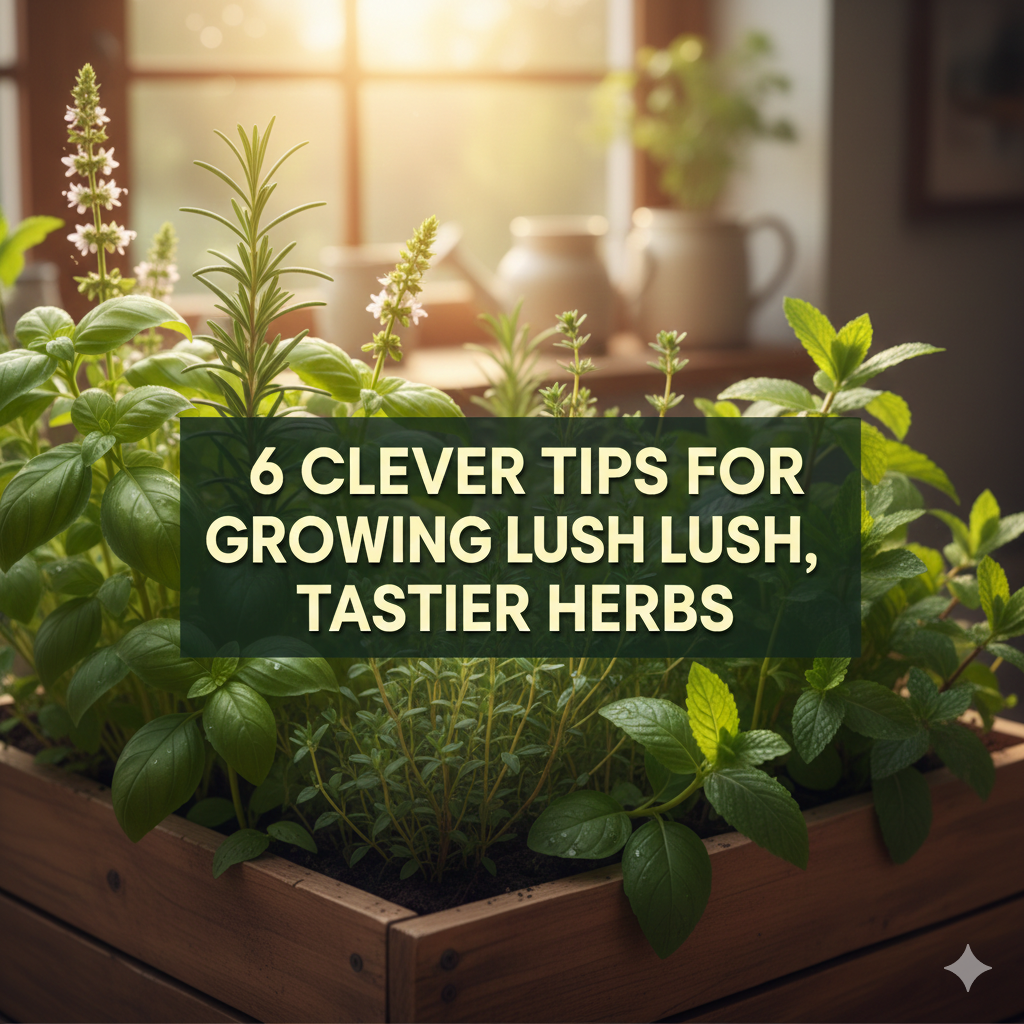
Hydroponic herbs care is far from complicated. Learn 6 clever tips for growing lush, tastier herbs without soil — inside or outside, year-round!
Few Tips on Hydroponic Herbs Plant Care That Works
Just picture cutting fresh basil from your kitchen counter in the middle of January. No soil. No mess. No need to wait for a sunny day outdoors.
This is the magic of hydroponic herbs growing.
Hydroponics is the process of growing plants in a nutrient-rich water solution rather than soil. It’s a futuristic-sounding idea, but people have been experimenting with it for decades. Today, it’s one of the fastest growing trends in home gardening — and with good reason.
Hydroponics can produce herbs at a rate 50% faster than those grown in soil. They use less water. They take up less space. Plus they produce tasty, fragrant leaves throughout the year.
But here’s the thing — hydroponic herb care is not the same as traditional gardening. The rules are different. The needs are different. And if you get a few essential things wrong, your plants will struggle no matter how enthusiastic you are.
This article outlines 6 smart hydroponic herbs care tips to keep your indoor herb garden from just surviving — but truly thriving.
How Hydroponic Herb Growing Differs from Gardening
Before diving into the tips, it helps to understand what you’re working with.
Soil does a lot of heavy lifting in conventional gardening. It holds nutrients. It filters water. It supports roots. Soil is essentially the entire life-support system of the plant.
With hydroponics, water becomes that agent. You add nutrients directly to the water. Roots dangle in or near that water and take up precisely what they require, exactly when they need it.
This gives you incredible control — but it also means less room for error. One problem that soil may buffer naturally — such as a nutrient imbalance — can strike hydroponic plants hard and fast.
This is why smart and consistent hydroponic herbs care matters. The good news? Once you get into a routine, it becomes second nature.
What Herbs Will Really Work in Hydroponics?
Not all herbs thrive in a water-based system. Some love it. Some prefer their roots in dirt.
Here’s a quick rundown to guide your plant choices:
| Herb | Hydroponic Performance | Growth Rate | Level of Difficulty |
|---|---|---|---|
| Basil | Excellent | Fast | Easy |
| Mint | Excellent | Very Fast | Easy |
| Lemon Balm | Excellent | Fast | Easy |
| Cilantro | Good | Moderate | Easy–Medium |
| Parsley | Good | Moderate | Easy–Medium |
| Chives | Good | Moderate | Easy |
| Oregano | Very Good | Slow–Moderate | Easy |
| Thyme | Good | Slow–Medium | Easy–Medium |
| Rosemary | Good | Slow | Medium |
The best herbs for beginners are basil, mint and lemon balm. They adapt quickly to water-based systems and reward you with rapid, lush growth.
Start with one or two easy-growing varieties. Get your system dialled in. Then expand your collection.
Tip #1: Choose the Right Hydroponic System for Your Herbs
There are many ways to grow hydroponic herbs. Each system comes with its own advantages and disadvantages. Choosing the right one is important to your results.
The Most Popular Systems for Home Herb Growers
Deep Water Culture (DWC) Plants are suspended in net pots over a reservoir of nutrient-rich water. A pump keeps the water oxygenated. One of the simplest and most effective systems for beginners. Best for: Basil, mint, leafy herbs
Kratky Method A passive variation of DWC. No pump needed. Plants are perched above a static body of water, absorbing it as the level drops. Simple, low-cost, and surprisingly effective. Best for: Small herb collections, budget beginners
Nutrient Film Technique (NFT) A thin stream of nutrient solution continuously flows over the roots. Great for fast-growing herbs but requires more setup. Best for: Basil, chives, parsley
Wick System A wick carries nutrient solution from a reservoir into the growing medium. The easiest system for beginners, though not the best for thirsty herbs. Best for: Herbs that prefer less water, such as thyme and oregano
What system should you start with?
Deep Water Culture or the Kratky Method is the smartest entry point for most beginners. They’re inexpensive, easy to set up, and highly effective for the most common culinary herbs. If you’re just getting started, The Herb Garden is a great resource for guidance on herb varieties and growing techniques.
Tip #2: Get Your Nutrient Solution Right
This is one of the most common mistakes beginners make — and that’s completely understandable. Dissolving nutrients in water can feel strange at first.
But once you nail it, your plants will reward you with rapid, abundant growth.
Essential Nutrients Required for Hydroponic Herbs
Plants require three main nutrients to grow:
- Nitrogen (N) — promotes green, leafy growth
- Phosphorus (P) — supports roots and flowering
- Potassium (K) — increases disease resistance and overall plant health
Herbs — especially leafy ones like basil and mint — are heavy nitrogen feeders. They want green leaves, not flowers. So you’ll want a nutrient mix higher in nitrogen.
Hydroponic nutrient solutions are typically sold as concentrated liquids or powders. You mix them with water according to the manufacturer’s instructions.
Choosing the Right Nutrient Concentration
Electrical Conductivity (EC) measures the strength of your nutrient solution. It tells you whether your mix is too weak or too strong.
Here is a simple guide:
| Herb | Ideal EC Range | Ideal pH Range |
|---|---|---|
| Basil | 1.6 – 2.2 | 5.5 – 6.5 |
| Mint | 1.6 – 2.0 | 5.5 – 6.0 |
| Cilantro | 1.4 – 1.8 | 6.0 – 6.5 |
| Parsley | 1.4 – 1.8 | 5.5 – 6.0 |
| Chives | 1.8 – 2.2 | 6.0 – 6.5 |
| Oregano | 1.5 – 2.0 | 6.0 – 7.0 |
| Thyme | 1.5 – 2.0 | 5.5 – 7.0 |
If your plants are young or freshly transplanted, start at the lower end of the EC range. Increase gradually as they mature.
Don’t Skip the pH Check
Nutrient strength is half the battle — pH is just as important. If the pH is off, your herbs can’t absorb nutrients properly, even if the water is full of them.
Most hydroponic herbs do best at a pH of 5.5 to 6.5.
Pick up a basic pH testing kit or a digital meter from any garden store. Check the pH of your nutrient solution each time you mix a new batch. Use pH Up or pH Down solutions to adjust as needed.
That one habit alone can transform your hydroponic herb results.
Tip #3: Get Your Lighting Right
Herbs are sun lovers. Most require plenty of bright light to grow full, flavourful, and aromatic. Managing light in a hydroponic setup — particularly indoors — is critically important.
How Much Light Do Hydroponic Herbs Require?
| Herb | Daily Light Requirement |
|---|---|
| Basil | 14 – 16 hours |
| Mint | 12 – 16 hours |
| Cilantro | 12 – 14 hours |
| Parsley | 12 – 16 hours |
| Chives | 12 – 14 hours |
| Oregano | 12 – 14 hours |
| Thyme | 12 – 16 hours |
Natural Light vs. Grow Lights
If your setup is near a bright south-facing window, you may manage with natural sunlight in summer. But in winter, or in apartments with limited window exposure, grow lights are essential.
Most home growers find that a full-spectrum LED grow light is the best option. Here’s why:
- They closely mimic natural sunlight
- They run cool, so they won’t damage your plants
- They are energy-efficient and long-lasting
- They work well for all common culinary herbs
Hang your LED light 6 to 12 inches above your plants and use a timer to keep your schedule consistent. Like all plants, herbs need a dark period too — aim for 8 hours of darkness each night.
Signs Your Herbs Aren’t Getting Enough Light
- Stems stretch long and spindly, reaching toward the light
- Leaves appear light green or yellowish
- Growth slows down significantly
- Flavour and aroma are weak
If you notice any of these, increase your light hours or move the lamp closer to the canopy.
Tip #4: Manage Water Temperature and Oxygen Levels
This tip doesn’t get discussed enough — yet it’s one of the most important elements of successful hydroponic herbs care.
Why Water Temperature Matters
Your plants need to absorb nutrients and oxygen efficiently, and this process is heavily influenced by the temperature of your nutrient solution.
Most hydroponic herbs prefer a water temperature of 65°F to 72°F (18°C to 22°C).
Too warm, and your water holds less dissolved oxygen — roots can suffocate, and a deadly fungal disease known as root rot can set in quickly. Too cold, and nutrient absorption slows so much that growth stalls.
Use a basic aquarium thermometer in your reservoir and check it regularly — especially during summer when room temperatures rise.
If your water runs too warm, you can:
- Move the reservoir to a cooler location
- Add a small water chiller
- Use insulated reservoir containers to manage temperature fluctuations
The Importance of Oxygen in the Root Zone
Roots require oxygen just as much as water and nutrients.
In a Deep Water Culture system, this is handled with an air pump and air stones — the same equipment used in fish tanks. Air stones release bubbles that keep the water oxygenated and prevent stagnation.
Keep your air pump running 24 hours a day. Never switch it off while plants are in the system.
Also, maintain an air gap between the water surface and the base of your net pots. This gap provides roots with direct access to oxygen. Don’t top up the water too frequently — that air gap is doing important work.
Tip #5: Keep Up With Your Reservoir Maintenance Routine
A clean, well-managed reservoir is the heart of a healthy hydroponic herb system. Neglecting it is one of the quickest paths to trouble.
How Often Should You Change the Water?
Change your nutrient solution completely every 1 to 2 weeks.
Even if your readings are within range, nutrient solutions can develop salt deposits and become imbalanced over time. A fresh mix ensures a clean, accurate nutrient profile for your plants.
Between full changes, top up the reservoir with plain, pH-adjusted water as the level drops. Do not add extra nutrient solution unless you see a significant drop in your EC reading.
Reservoir Maintenance Checklist
| Task | Frequency |
|---|---|
| Check water level | Every 2–3 days |
| Test and adjust pH | Every 2–3 days |
| Test EC (nutrient strength) | Every 2–3 days |
| Top up with pH-adjusted water | As needed |
| Full nutrient solution change | Every 1–2 weeks |
| Clean reservoir and components | Every 2–4 weeks |
| Inspect roots for signs of rot | Weekly |
Keeping Algae Away
Algae thrive on light and nutrients — and your hydroponic reservoir is exactly the environment they love. Your job is to block the light.
Keep your reservoir completely dark. Use opaque containers and seal any gaps with light-blocking material. Even the smallest light leak can trigger an algae bloom that clogs your system and robs your plants of nutrition.
Tip #6: Prune, Harvest and Train Your Herbs for Maximum Yield
This is where caring for your hydroponic herbs becomes truly rewarding. With smart harvesting and pruning habits, you can keep your herbs lush and productive for months.
The Art of Harvesting Hydroponic Herbs
The most common mistake new growers make is waiting too long to harvest — or harvesting too aggressively all at once.
The sweet spot is little and often.
Harvest small amounts frequently — every few days if you can. This signals the plant to keep producing new growth. It also prevents herbs like basil from bolting (sending up a flower stalk), which makes leaves bitter and reduces your overall yield.
Always harvest from the top of the plant, cutting just above a leaf node. This encourages two new stems to emerge from that point, making your plant bushier and more productive over time.
Pruning Tips by Herb Type
| Herb | Pruning Tips |
|---|---|
| Basil | Pinch off flower buds as soon as they appear. Harvest from the top to promote bushier growth. |
| Mint | Trim regularly to prevent it from taking over. Cut back by one-third if it becomes leggy. |
| Cilantro | Harvest outer leaves first. Let the centre continue to grow. |
| Parsley | Cut outer stems at the base. Leave inner growth untouched. |
| Chives | Snip from the top, leaving at least 2 inches of growth at the base. |
| Rosemary | Prune lightly and frequently. Do not cut into old, woody stems. |
| Thyme | Regularly trim soft new growth on top. Do not clip the woody lower stems. |
How to Prevent Basil From Going to Seed
Basil is notorious for bolting — sending up tall flower spikes as soon as it shifts into reproductive mode. Once it flowers, leaf production drops sharply.
Stay ahead of it by pinching out flower buds as soon as they appear. Done consistently, this keeps your basil plant in “leaf production mode” for weeks longer — and it’s one habit that genuinely changes the game for hydroponic basil growers.
Quick-Fix Solutions for Common Hydroponic Herb Problems
Even with careful hydroponic herbs care, issues can arise. Knowing how to identify and resolve them quickly prevents small problems from becoming major setbacks.
| Issue | Most Likely Cause | Solution |
|---|---|---|
| Yellowing leaves | Nitrogen deficiency or pH imbalance | Adjust pH and/or increase nutrient EC slightly |
| Brown, mushy roots | Root rot (water too warm or low oxygen) | Lower water temperature; increase aeration; remove affected roots |
| Slow growth | Low light, poor nutrients, or cold water | Increase light hours; check EC and water temperature |
| Wilting despite full reservoir | Root rot or poor oxygen | Check root system and aeration immediately |
| White crusty deposits | Salt buildup | Flush system with plain water; clean reservoir |
| Algae growth | Light leak into reservoir | Block all light from entering the reservoir |
| Leggy, pale stems | Insufficient light | Move grow lamp closer or increase daily light hours |
A Starter Plan for Your Hydroponic Herb Garden
Ready to put all of this into practice? Here’s a simple plan for launching your first hydroponic herb garden.
Days 1–3: Set Up Choose a system (DWC or Kratky recommended). Gather your supplies — a reservoir, net pots, growing medium, nutrients, pH kit and grow light. Get everything in place before adding any plants.
Days 4–7: Plant Start with 2–3 easy herbs. Basil, mint and chives are ideal. Place starter plants or rooted cuttings into net pots. Fill the reservoir with your first nutrient solution at the lower end of the EC range.
Week 2: Monitor Check and adjust pH and water level every 2–3 days. Watch your plants closely for signs of stress. Adjust light height if needed. Keep notes — tracking your readings helps you spot patterns early.
Weeks 3–4: First Harvest By now your herbs should be showing strong, visible growth. Begin harvesting lightly from the tops. Pinch any basil flower buds. Complete your first full nutrient solution change.
Month 2 and Beyond: Refine and Expand You now have real hands-on experience with your system. Add more herbs. Try new varieties. Experiment with EC levels and light schedules. Every week you’re building on your hydroponic herbs care skills.
FAQs About Hydroponic Herbs Care
Q: Do hydroponic herbs taste different from soil-grown herbs? A: Many growers say hydroponic herbs actually taste better — more concentrated and aromatic. The reason is that the plants receive all their nutrients in optimal condition without interruption, which enhances the essential oils in the leaves. You can also explore NASA’s research on hydroponics to understand how controlled nutrient delivery can improve plant quality.
Q: How often do I need to check my hydroponic herb garden? A: A brief daily check takes only a few minutes. Look at water levels, light settings and the general appearance of your plants. pH and EC should be tested more thoroughly every 2–3 days.
Q: Can I use tap water in my hydroponic herb system? A: You can, but always test the pH first and let it sit for 24 hours to allow chlorine to evaporate. If you have heavily chlorinated water or water with high mineral content, filtered or reverse osmosis water will give you better results.
Q: What is the simplest hydroponic system for a complete beginner? A: The Kratky Method is probably the most straightforward of all. No pump, no electricity for the water, no complicated setup. Just a container, net pots, nutrient solution and light. It’s a great place to start.
Q: How can I tell if my hydroponic herbs are getting the right nutrients? A: Healthy herbs will have deep green leaves, strong upright stems and regular new growth. Yellowing leaves, slow growth or weak flavour are often signs of a nutrient or pH problem.
Q: Can I grow hydroponic herbs without a grow light? A: If you have an exceptionally bright, south-facing window with 6+ hours of direct sun per day, you might manage without one. However, for most indoor setups — especially in winter — a grow light is highly recommended for consistent results.
Q: How long will hydroponic herbs last? A: Annual herbs like basil can grow for 6 months or more in a hydroponic system with regular harvesting and proper care. Perennial herbs like mint, thyme and rosemary can continue to thrive indefinitely with ongoing maintenance.
Wrapping It All Up
Caring for hydroponic herbs is one of the most rewarding skills a home grower can master. It offers year-round access to fresh, flavourful herbs — no garden, no seasons, no soil required.
There is a learning curve, of course. Most people don’t naturally think about pH levels, EC readings or root health on a daily basis. But as the habits take hold, the routine becomes quick and nearly automatic.
The six tips in this guide give you everything you need to succeed:
- Choosing the right system
- Nailing your nutrient solution
- Getting your lighting on point
- Managing water temperature and oxygen levels
- Keeping your reservoir clean
- Harvesting cleverly to maximise yield
Start with one or two herbs. Build your confidence. Then expand from there — literally.
A thriving hydroponic herb garden is well within your reach. And the only thing standing between you and snipping a fresh sprig of mint in February is simply getting started.
Happy growing — you’re all set for hydroponic herb gardening!