
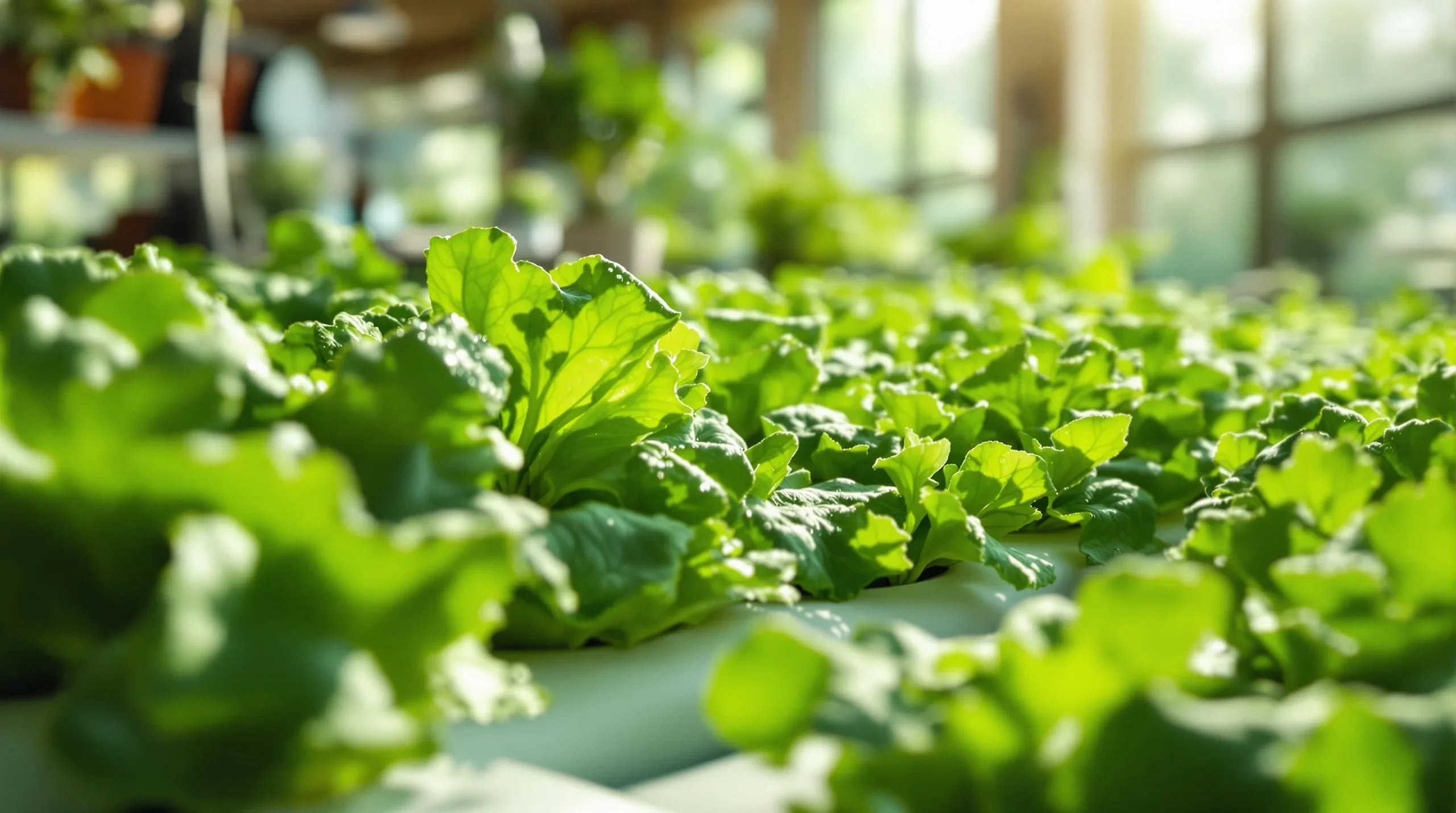
Hydroponic herb gardening looks simple on the surface. A container, water, nutrients, and light—that’s all you need. No soil, no mess, and faster growth. It’s the dream setup for modern growers.
But here’s the uncomfortable truth: most hydroponic herb failures happen because of small, invisible mistakes.
Not dramatic disasters. Not expensive equipment failures.
Just tiny missteps repeated daily.
A slightly wrong nutrient concentration. A neglected pH level. Too much love in the form of overwatering roots that don’t even need watering.
These mistakes don’t kill your herbs overnight. They weaken them slowly. Growth stalls. Leaves yellow. Flavor disappears. Eventually, the plant stops thriving.
This guide will walk you through the 7 most powerful hydroponic herb mistakes, why they happen, and how to fix them permanently.
Along the way, you’ll also find tables, charts, and practical systems you can apply immediately.
Mistake #1: Ignoring pH Levels (The Silent Killer)
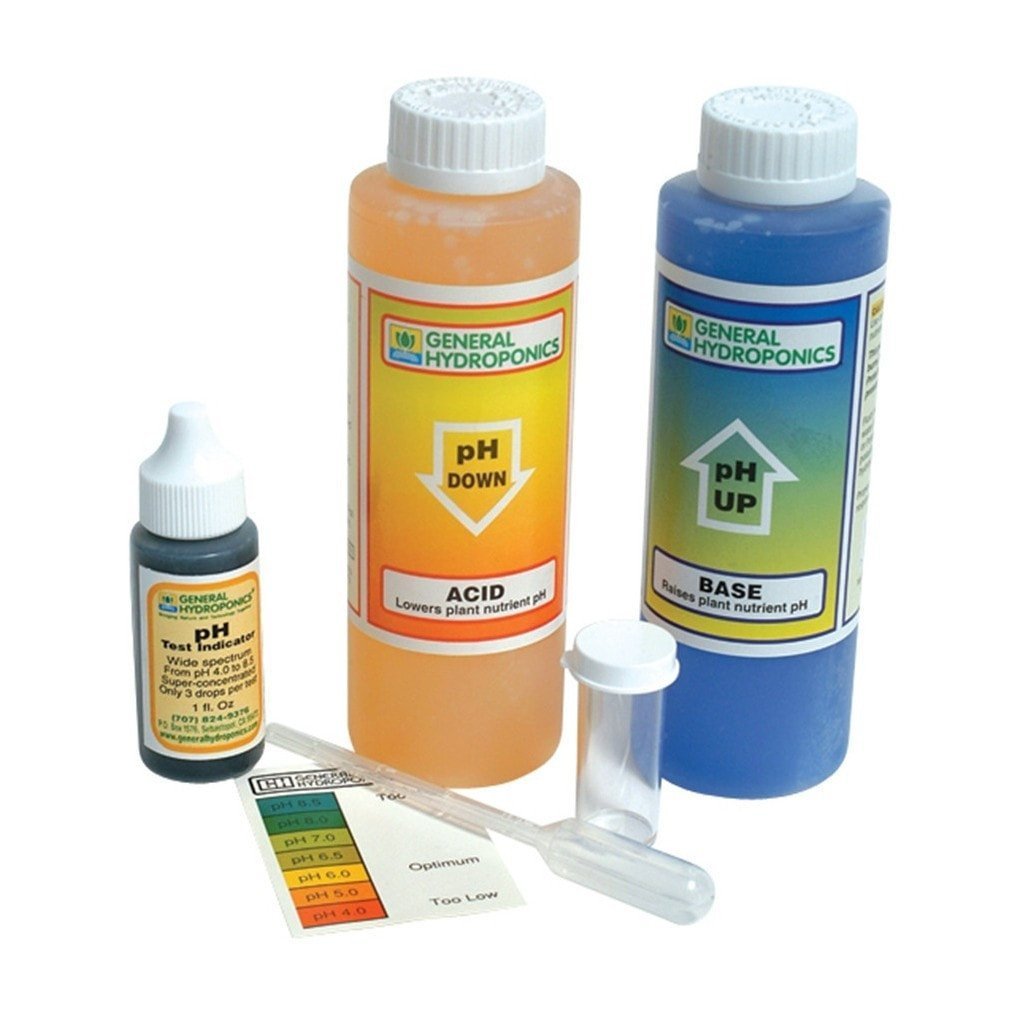
If there is one mistake responsible for more hydroponic herb failures than any other, it’s ignoring pH.
Your herbs don’t absorb nutrients directly. They absorb nutrients only when the pH is within a specific range.
Even if nutrients are present, wrong pH locks them out.
This condition is called nutrient lockout.
Your herbs starve in a reservoir full of food.
Ideal pH Chart for Popular Hydroponic Herbs
| Herb | Ideal pH Range | Danger Zone |
|---|---|---|
| Basil | 5.5 – 6.5 | Below 5.0 / Above 7.0 |
| Mint | 5.5 – 6.5 | Below 5.2 / Above 7.2 |
| Cilantro | 6.0 – 6.7 | Below 5.5 / Above 7.5 |
| Parsley | 5.5 – 6.5 | Below 5.0 / Above 7.0 |
| Oregano | 6.0 – 6.5 | Below 5.5 / Above 7.0 |
| Thyme | 5.5 – 6.5 | Below 5.0 / Above 7.0 |
| Chives | 6.0 – 6.5 | Below 5.5 / Above 7.5 |
Symptoms of pH Problems
| Symptom | Cause |
|---|---|
| Yellow leaves | Nutrient lockout |
| Slow growth | Nutrients unavailable |
| Brown spots | Calcium deficiency due to wrong pH |
| Weak stems | Magnesium lockout |
Fix
Test pH every 2–3 days.
Adjust using:
- pH Up solution
- pH Down solution
Never guess. Always measure.
Mistake #2: Overfeeding Nutrients (More Is NOT Better)
This mistake comes from good intentions.
Growers think:
“More nutrients = faster growth.”
Reality works differently.
Too many nutrients burn roots.
This is called nutrient burn.
Nutrient Strength Chart (EC Levels)
| Growth Stage | EC Level |
|---|---|
| Seedling | 0.5 – 1.0 |
| Early Growth | 1.0 – 1.5 |
| Mature Herbs | 1.5 – 2.0 |
| Maximum Limit | 2.2 |
Anything above this risks damage.
Signs of Nutrient Burn
- Leaf tips turning brown
- Curling leaves
- Dry edges
- Slow growth despite feeding
Fix
Dilute reservoir with clean water.
Change solution every 10–14 days.
Less is safer than more.
Mistake #3: Poor Oxygen Supply to Roots

Roots breathe oxygen.
Without oxygen, roots suffocate.
This causes root rot.
Root rot kills hydroponic herbs faster than almost anything.
Oxygen Supply Comparison
| Oxygen Level | Root Condition |
|---|---|
| High oxygen | White, healthy roots |
| Medium oxygen | Slightly yellow roots |
| Low oxygen | Brown, weak roots |
| No oxygen | Root rot |
Causes
- No air pump
- Weak air pump
- Clogged air stone
- Warm water
Fix
Use air pump 24/7.
Ensure constant bubbling.
Keep water temperature between:
18°C to 22°C
Mistake #4: Using the Wrong Light Intensity
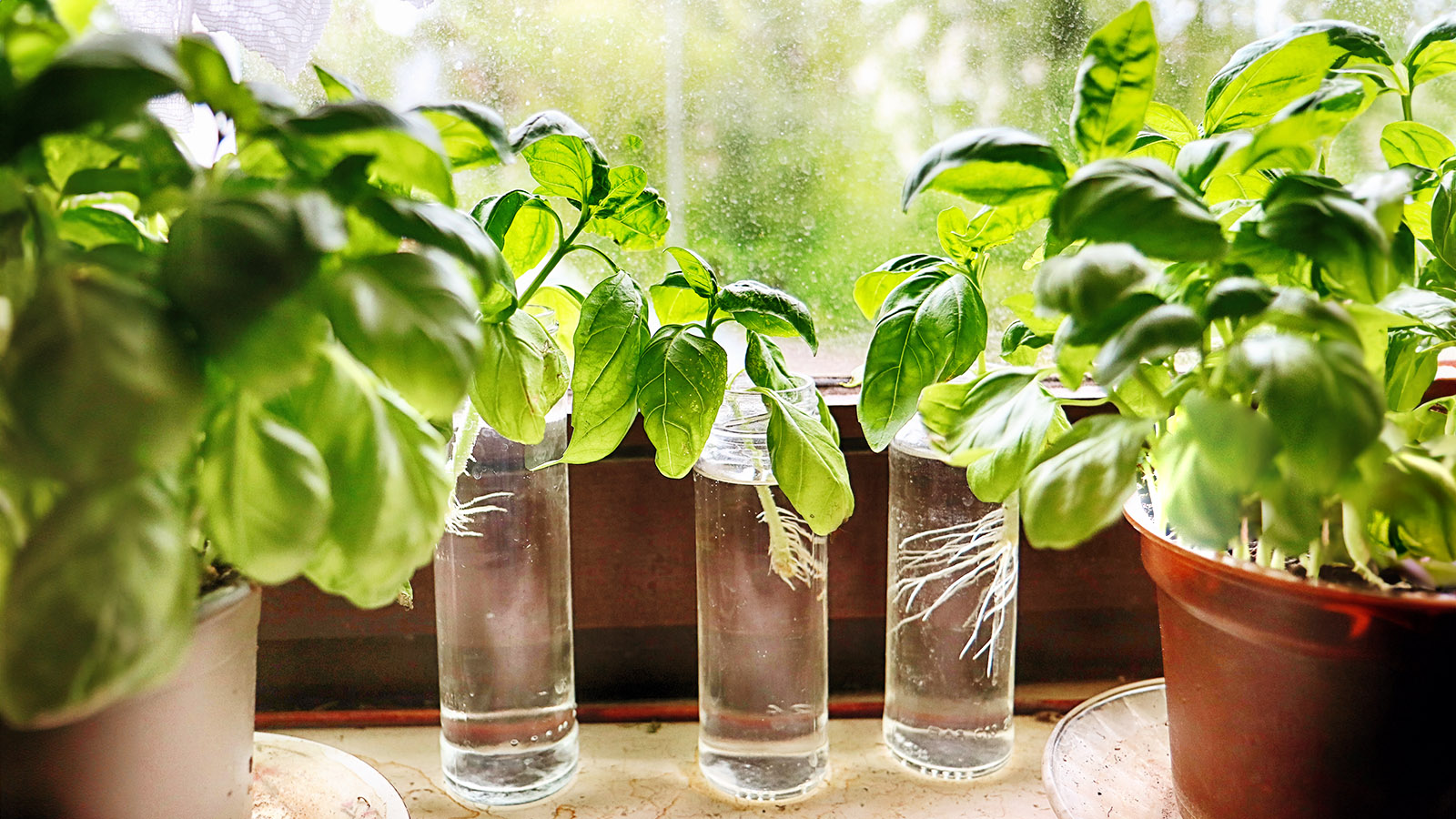
Light is food.
Too little light causes weak herbs.
Too much light burns leaves.
Light Requirement Chart
| Herb | Light Hours | Light Intensity |
|---|---|---|
| Basil | 12–16 hrs | Medium–High |
| Mint | 10–14 hrs | Medium |
| Parsley | 12–16 hrs | Medium |
| Cilantro | 10–14 hrs | Medium |
| Thyme | 12–16 hrs | High |
| Oregano | 12–16 hrs | High |
Signs of Too Little Light
- Long weak stems
- Pale leaves
- Slow growth
Signs of Too Much Light
- Burned leaves
- Dry edges
- White spots
Ideal Distance Chart
| Light Type | Distance |
|---|---|
| LED | 12–18 inches |
| Fluorescent | 6–12 inches |
Mistake #5: Not Changing Water Regularly
Hydroponic water is not permanent.
Over time, it becomes toxic.
Waste builds up. Oxygen drops. Nutrients become unbalanced.
Water Change Schedule
| System Size | Change Frequency |
|---|---|
| Small (1–5 plants) | Every 7–10 days |
| Medium (6–20 plants) | Every 10–14 days |
| Large systems | Every 14 days |
What Happens If You Don’t Change Water
- Root disease increases
- Nutrient imbalance
- Growth slows
Fresh water resets the system.
Mistake #6: Starting with Weak or Wrong Herb Varieties
Not all herbs perform equally in hydroponics.
Some thrive. Some struggle.
Best Herbs for Hydroponics

| Herb | Difficulty | Growth Speed |
|---|---|---|
| Basil | Easy | Fast |
| Mint | Easy | Fast |
| Parsley | Medium | Medium |
| Oregano | Easy | Medium |
| Thyme | Medium | Slow |
| Cilantro | Medium | Medium |
Worst Herbs for Beginners
| Herb | Reason |
|---|---|
| Rosemary | Slow growth |
| Lavender | Sensitive |
| Sage | Needs perfect conditions |
Start with basil and mint.
They are forgiving.
Mistake #7: Ignoring Temperature Control
Temperature affects everything.
Growth, oxygen, nutrients, and root health.
Ideal Temperature Chart
| Area | Ideal Temperature |
|---|---|
| Water | 18–22°C |
| Air | 20–26°C |
| Danger Zone | Above 30°C |
Problems from High Temperature
- Root rot increases
- Oxygen decreases
- Growth slows
Hydroponic Herb Growth Performance Chart
This chart shows how correcting mistakes improves growth.
| Condition | Growth Speed | Health |
|---|---|---|
| Poor pH | Slow | Weak |
| Correct pH | Fast | Strong |
| Low oxygen | Slow | Poor |
| High oxygen | Fast | Excellent |
| Poor light | Slow | Weak |
| Correct light | Fast | Strong |
Complete Hydroponic Success Checklist
Use this simple system:
| Task | Frequency |
|---|---|
| Check pH | Every 2–3 days |
| Check nutrients | Weekly |
| Change water | Every 10–14 days |
| Check roots | Weekly |
| Check light | Weekly |
| Clean system | Monthly |
Real-World Example Growth Timeline
| Week | Growth Stage |
|---|---|
| Week 1 | Germination |
| Week 2 | Small leaves |
| Week 3 | Rapid growth |
| Week 4 | Harvest ready |
| Week 5+ | Continuous harvest |
Hydroponic herbs grow 30–50% faster than soil.
The Hydroponic Herb Health Diagnostic Chart
| Symptom | Cause | Solution |
|---|---|---|
| Yellow leaves | pH imbalance | Adjust pH |
| Brown tips | Nutrient burn | Dilute nutrients |
| Slimy roots | Root rot | Increase oxygen |
| Slow growth | Low light | Increase light |
| Weak stems | Low nutrients | Adjust feeding |
The Secret Most Growers Learn Too Late
Hydroponics is not about equipment.
It’s about consistency.
Small daily attention produces massive results.
Ignore small things, and problems multiply.
Fix small things, and herbs explode with growth.
Final Thoughts
Hydroponic herbs can grow faster, healthier, and stronger than soil-grown herbs.
But success depends on avoiding these 7 mistakes:
- Ignoring pH
- Overfeeding nutrients
- Poor oxygen supply
- Wrong light intensity
- Not changing water
- Choosing wrong herbs
- Ignoring temperature
Master these, and hydroponics becomes easy.
Your herbs will grow faster than you thought possible.
Frequently Asked Questions (FAQs)
1. What is the easiest herb to grow hydroponically?
Basil is the easiest. It grows fast, adapts easily, and tolerates small mistakes better than most herbs.
2. How often should I change hydroponic water?
Every 10–14 days is ideal. Smaller systems may need weekly changes.
3. Why are my hydroponic herbs turning yellow?
The most common cause is incorrect pH. Nutrients are present but cannot be absorbed.
4. Do hydroponic herbs need sunlight?
They need light, but not necessarily sunlight. LED grow lights work perfectly.
5. How long do hydroponic herbs live?
Most herbs can live 6 months to 2 years with proper care.
6. Is hydroponics better than soil for herbs?
Yes. Hydroponics provides faster growth, cleaner plants, and higher yields when managed correctly.
If you want, I can also convert this into a downloadable PDF, blog-ready format, or add professional infographics and charts for your website.