
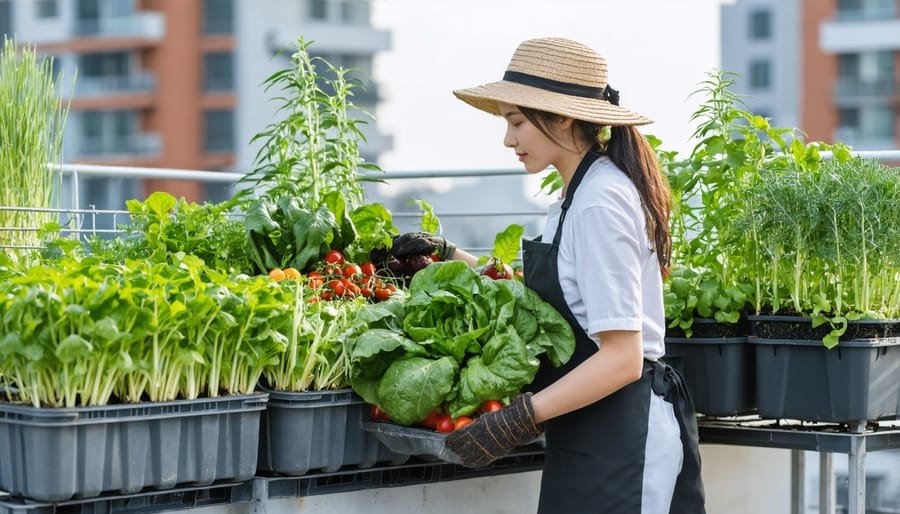
When I first moved to the city, I missed the sprawling backyard garden my grandparents had back in the countryside. It wasn’t just about fresh veggies; they had this little patch they called their “pharmacy garden,” full of herbs that could soothe a headache or calm an upset stomach faster than popping a pill. Living in a cramped apartment with only a balcony to my name, I figured that kind of natural healing was out of reach. But boy, was I wrong. Urban pharmacy gardening—growing medicinal plants right in the heart of the city—turned out to be not only possible but downright practical. It’s all about working with what you’ve got: limited space, funky light conditions, and that constant hustle. And the best part? You can see results fast, sometimes in weeks, without needing a green thumb forged in rural soil.
Think about it—why trek to a drugstore when you could pluck relief from your windowsill? A pharmacy garden in an urban setting means cultivating herbs and plants known for their healing properties, like easing digestion, boosting immunity, or reducing stress. These aren’t exotic rarities; many are hardy, quick to sprout, and thrive in pots or vertical setups. The secrets I’m sharing here come from trial and error in my own tiny setup, plus chats with fellow city gardeners who’ve turned fire escapes into mini apothecaries. We’re talking fast strategies—ones that get you growing and harvesting sooner rather than later. No waiting around for seasons to change; these tips are designed for impatient urbanites like us who want natural remedies at arm’s length.
In a world where everything moves at breakneck speed, having a pharmacy garden feels like a quiet rebellion. It’s sustainable, cost-effective, and empowering. Studies from places like the University of Kansas’s Native Medicinal Plant Research Program show that even small-scale urban gardens can provide potent home remedies. But let’s not get ahead of ourselves. Over the next few thousand words, I’ll dive into 11 fast secrets to kickstart your urban pharmacy garden. Each one builds on the last, helping you create a resilient, healing oasis amid the concrete jungle. By the end, you’ll be ready to plant your first seed and watch your own backyard pharmacy come to life.
Secret 1: Pick Herbs That Sprint to Maturity
One of the quickest ways to feel like a successful urban gardener is choosing plants that don’t make you wait forever. In city living, patience is a luxury we can’t always afford, so go for medicinal herbs that germinate fast and yield harvests in as little as four to six weeks. Take basil, for instance—it’s not just for pesto. This herb is a powerhouse for digestion and stress relief, with anti-inflammatory properties that can ease headaches when brewed into tea. I started with a packet of sweet basil seeds on my windowsill, and within a month, I had bushy plants ready to snip.
But basil isn’t alone in the fast lane. Lemon balm shoots up quickly, offering leaves that calm nerves and aid sleep—perfect after a chaotic day navigating subway crowds. Or consider peppermint, which spreads like wildfire (keep it contained in a pot to avoid takeover) and soothes everything from nausea to muscle aches. These herbs love urban conditions: partial sun, well-drained soil, and minimal fuss. I remember planting peppermint in a recycled coffee can during a rainy spring; by summer, it was my go-to for iced teas that doubled as tummy settlers.
To make this secret work even faster, start with seedlings instead of seeds. Nurseries or online suppliers like Etsy often have pre-started medicinal herbs, cutting your wait time in half. Mix in some calendula—those bright orange flowers aren’t just pretty; they’re antiseptic and great for skin salves. They bloom rapidly in containers, thriving in the dappled light of a balcony. The key is diversity without overwhelm: aim for five to seven fast-growers to begin. This way, your pharmacy garden builds momentum, giving you quick wins that motivate you to expand.
Don’t overlook the science behind it. Herbs like these have compounds such as menthol in peppermint or citral in lemon balm that act swiftly on the body. In urban settings, where pollution can stress our systems, having these at hand is a game-changer. I once whipped up a quick lemon balm infusion during a bout of insomnia caused by city noise—it worked better than counting sheep. And the best part? These plants are forgiving. Overwatered? They’ll bounce back. Forgotten for a day? No big deal. Start here, and you’ll have a thriving patch before you know it, turning your small space into a speedy source of natural health.
Secret 2: Master Container Gardening for Tight Spaces
In the city, soil is scarce, but that’s no barrier to a pharmacy garden. Containers are your best friend—they’re portable, customizable, and let you grow medicinal plants anywhere from a fire escape to a rooftop. The secret to making this fast? Choose the right pots and setups that promote rapid root development and easy access to remedies.
I learned this the hard way when my first attempt at ground planting in a community plot failed due to contaminated urban soil. Switching to containers changed everything. Use terracotta pots for breathability or plastic ones for lightweight mobility; just ensure they have drainage holes to prevent root rot. For fast growth, fill them with a mix of potting soil and compost—aim for a 70-30 ratio to boost nutrients without the wait for soil amendments.
Focus on herbs like aloe vera, which thrives in shallow containers and provides instant gel for burns or skin irritations. It’s drought-tolerant, perfect for forgetful city folk, and multiplies quickly through offsets. Pair it with chamomile in a hanging basket; this daisy-like plant germinates in days and offers flowers for calming teas. In my setup, I hung chamomile near my kitchen window, harvesting blooms weekly for a soothing nighttime ritual.
To speed things up, group compatible plants in larger containers. Rosemary and thyme, both Mediterranean natives with antimicrobial powers, love sharing space and dry out fast between waterings—ideal for urban humidity swings. Rosemary aids memory and circulation, while thyme fights coughs; together, they’re a dynamic duo that establishes roots in under a month.
Remember, containers heat up in city sun, so place them strategically: south-facing for sun-lovers like echinacea, which boosts immunity and flowers profusely in pots. I added wheels to my larger bins for easy repositioning during heatwaves. This mobility means you can chase the light, ensuring faster maturation. With this approach, your pharmacy garden becomes flexible, adapting to apartment moves or seasonal shifts, all while delivering quick herbal harvests that keep you healthy on the go.
Secret 3: Harness Vertical Space for Maximum Yield
Urban real estate is vertical—think skyscrapers—so why not your garden? This secret flips limited floor space on its head by going up walls, fences, or even indoor shelves, allowing you to pack in more medicinal plants without clutter.
I transformed my bland balcony wall into a living pharmacy using pocket planters and trellises. Start with a simple wooden pallet leaned against a railing; fill the slats with soil and plant climbing herbs like passionflower, which grows rapidly and calms anxiety with its vines reaching up to 10 feet in a season. It’s a fast-climber that provides leaves and flowers for teas, thriving in partial shade common to city alleys.
For even quicker results, install wall-mounted shelves with small pots for sage and oregano. Sage, with its antibacterial leaves, clears up sore throats fast and loves the elevated airflow that prevents mildew. Oregano, packed with antioxidants, fights infections and sprouts new growth weekly. In my experience, vertical setups double harvest amounts; I snipped sage daily for gargles during flu season.
Don’t forget hydroponic systems for ultra-fast urban gardening. These soil-less setups use nutrient-rich water, speeding growth by 30-50% for herbs like holy basil (tulsi), which reduces stress and adapts well to vertical towers. I set up a DIY version with stacked buckets, and tulsi was ready to harvest in three weeks—faster than traditional methods.
This vertical approach not only saves space but enhances air circulation, reducing pests in dense city environments. Plus, it’s aesthetically pleasing, turning a bare wall into a green cascade of health benefits. Whether outdoors or in, this secret ensures your pharmacy garden grows up, not out, delivering remedies swiftly from every angle.
Secret 4: Implement Companion Planting for Natural Synergy
Plants, like people in a crowded city, thrive better with good neighbors. Companion planting pairs medicinal herbs that support each other, speeding growth and warding off issues without chemicals—perfect for fast urban results.
In my garden, I planted marigolds alongside echinacea. Marigolds deter nematodes and aphids, allowing echinacea to focus energy on producing immune-boosting cones faster. Echinacea roots in weeks and flowers by midsummer, its petals tinctured for cold prevention. The combo created a pest-free zone, cutting my intervention time.
Try basil with tomatoes if you’re expanding to edibles, but for pure pharmacy, pair it with feverfew. Feverfew migraines at bay with its daisy-like blooms, and basil’s aroma repels flies. Both grow quickly in shared pots, with feverfew self-seeding for next year’s crop.
Lavender and rosemary make another dynamic pair; lavender’s calming scent enhances rosemary’s cognitive benefits, and they share drought tolerance. I planted them in a window box, harvesting lavender buds for sleep sachets and rosemary sprigs for focus teas—all within a month of planting.
This secret accelerates your garden by creating micro-ecosystems. Herbs exchange nutrients—legumes like fenugreek fix nitrogen for greedy feeders like yarrow, which heals wounds and establishes rapidly. In urban pollution, these pairings build resilience, ensuring your pharmacy yields potent remedies sooner. It’s nature’s shortcut, making your small space work smarter.
Secret 5: Accelerate with Smart Propagation Techniques
Why buy new plants when you can multiply what you have? Propagation is the fast-track secret to expanding your urban pharmacy garden without spending a dime, using cuttings, divisions, or seeds for quick clones.
I started with a single mint plant, taking stem cuttings in water—roots appeared in days, and I had a dozen pots ready in two weeks. Mint’s vigor makes it ideal; its leaves soothe digestion, and propagation keeps supply endless.
For woody herbs like lavender, softwood cuttings in spring root fast in moist soil. Dip in honey (a natural rooter) and watch new plants emerge in three weeks, providing flowers for anti-anxiety oils. I propagated lavender from a neighbor’s clipping, turning one into five for my balcony.
Division works wonders for perennials like comfrey, whose leaves make healing poultices for bruises. Dig up in fall, split the root, and replant—new growth sprouts almost immediately. In city containers, this prevents overcrowding while multiplying your stock.
Seed saving adds speed; harvest from fast-bloomers like calendula, sow indoors, and transplant outdoors for continuous cycles. This self-sufficiency means your garden evolves rapidly, adapting to your needs. Propagation isn’t just economical—it’s empowering, letting you customize your pharmacy with proven performers that thrive in your unique urban microclimate.
Secret 6: Boost Soil with Urban Composting Hacks
City soil often lacks life, but composting turns kitchen scraps into gold, supercharging your medicinal plants for faster growth and stronger potency.
I use a balcony bin for vermicomposting—worms break down peels and coffee grounds into nutrient-rich castings. Added to pots, it fueled my aloe vera, which gelled up quicker for skin treatments. Worms speed decomposition, ready in weeks versus months.
For no-fuss, try bokashi—ferment scraps in a bucket with bran, then bury. It’s odor-free for apartments and enriches soil fast. My chamomile perked up, producing more flowers for teas that ease indigestion.
Collect leaves from city parks for mulch; they retain moisture and add organics as they break down. Mixed with eggshells for calcium, it helped my calcium-loving valerian root faster, its roots calming nerves in infusions.
This secret recycles urban waste, closing the loop for sustainability. Your herbs absorb these nutrients, growing robustly—think thicker lavender stems or bushier thyme. In polluted areas, compost improves soil detox, ensuring safe remedies. It’s a quick win: start small, and watch your pharmacy garden flourish with vitality from your own “trash.”
Secret 7: Optimize Watering for Rapid Root Development
Water is life, but in the city, it’s precious. This secret focuses on efficient watering techniques that promote fast root growth in medicinal plants, minimizing waste while maximizing health benefits.
I swear by drip irrigation—DIY with punctured bottles buried near roots. It delivers moisture slowly, encouraging deep roots in herbs like ginseng, which adapts to containers and boosts energy. Roots formed faster, ready for harvest sooner.
Mulching with straw or pebbles locks in humidity; for my peppermint, it reduced watering to twice weekly, yet growth exploded. Peppermint’s volatile oils intensified, making more effective teas.
Collect rainwater from urban downpours—funnel it into barrels. It’s chemical-free, perfect for sensitive plants like St. John’s wort, which lifts moods and thrives with consistent, pure hydration.
Timing matters: water at dawn to avoid evaporation in city heat. This prevented fungal issues in my basil, allowing uninterrupted fast growth. Smart watering isn’t just conservation—it’s acceleration, ensuring your pharmacy garden delivers potent, hydrated herbs without the hassle of daily chores.
Secret 8: Deploy Natural Pest Control for Uninterrupted Growth
Pests love cities too, but chemical sprays? No thanks. This secret uses organic methods to protect your medicinal plants, keeping growth on the fast track.
Companion planting repels bugs—nasturtiums near echinacea draw aphids away, letting echinacea focus on immunity-boosting. Nasturtiums are edible too, adding peppery leaves to salads.
Neem oil sprays, diluted and applied weekly, deter insects without harm. It saved my lavender from spider mites; growth resumed swiftly, buds forming for relaxing baths.
Encourage beneficials like ladybugs by planting dill; they feast on pests, safeguarding your thyme. Thyme’s antiseptic properties strengthened, ready for cough syrups.
Hand-picking or soapy water blasts work for quick fixes. In my urban setup, these kept invasions minimal, ensuring herbs matured fast. Natural control maintains ecosystem balance, making your pharmacy garden resilient and remedy-ready without toxic interruptions.
Secret 9: Harvest at Peak Potency for Immediate Use
Timing your harvest right captures maximum medicinal compounds, making your urban garden a true fast-acting pharmacy.
For leaves like lemon balm, pick in the morning when oils are concentrated—before sun dilutes them. I harvest pre-bloom for strongest calming effects, drying bunches for year-round teas.
Flowers such as calendula? Snip when fully open but before seeding; their resins peak then for skin-healing salves. In city heat, this means daily checks, but rewards are instant.
Roots like valerian dig in fall after tops die back; potency soars post-growth cycle. Quick processing—clean, chop, tincture—preserves power.
This secret turns seasonal yields into perpetual supplies. Freeze or dry extras; my frozen basil cubes add anti-inflammatory punch to winter soups. Mastering harvest timing ensures your remedies are potent, delivering fast relief from your compact urban plot.
Secret 10: Integrate Indoor and Outdoor for Year-Round Access
Cities have seasons, but your pharmacy shouldn’t. Blending indoor and outdoor growing extends harvests, providing fresh medicinals even in winter.
I bring potted aloe inside during frosts; it continues yielding gel near a sunny window. Aloe’s succulent nature makes transitions seamless, healing burns year-round.
Grow lights speed indoor growth for herbs like holy basil—LEDs mimic sun, sprouting seedlings in days for stress-relief teas.
Rotate plants: outdoor summer for robust lavender, indoor winter for maintenance. This keeps production steady.
Microgreens trays offer fast indoor wins; sprout medicinal mustard for detox in a week. Integrating spaces maximizes urban square footage, ensuring your garden pharmacy operates 365 days, adapting to apartment life effortlessly.
Secret 11: Source Locally and Network for Quick Starts
The fastest way to launch? Tap into urban networks for seeds, cuttings, and advice, bypassing slow mail orders.
Join community gardens or Facebook groups for swaps— I scored echinacea starts from a neighbor, planting same-day for immune support.
Local nurseries stock adapted varieties; urban-adapted peppermint from mine rooted quicker than generic.
Forage responsibly: city parks often have wild medicinals like dandelion for liver health. Clean thoroughly, then propagate.
Apps like PlantSnap identify potentials; I found urban yarrow, cloning it for wound care. Networking accelerates your garden, building a community-supported pharmacy that’s fast, free, and tailored to city challenges.
Wrapping it all up, these 11 secrets transform urban constraints into advantages, creating a pharmacy garden that’s quick to establish and rich in benefits. From my balcony experiments to harvesting my first remedies, it’s been a journey of discovery and self-reliance. Start small—pick one secret, plant a pot—and watch how it grows. In the midst of city chaos, your little green haven could be the key to better health, one leaf at a time. Who knows? You might inspire your neighbors to join the movement, turning concrete blocks into blooming apothecaries.