
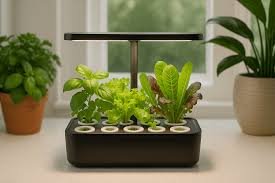
Growing herbs hydroponically feels like discovering a quiet shortcut that gardeners rarely talk about openly. There’s something deeply satisfying about watching basil, mint, or cilantro thrive without soil — their roots suspended in water, absorbing exactly what they need, nothing more, nothing less.
Many beginners assume hydroponics is complicated or expensive. In reality, the difference between success and failure often comes down to a few small setup decisions. Tiny adjustments in root oxygen, nutrient timing, and system design can mean the difference between weak, struggling plants and explosive growth.
This guide explores 3 powerful hydroponic herb setup tricks that experienced growers quietly rely on. These tricks are not theoretical concepts — they’re practical adjustments proven through trial, error, and observation.
By the end, you’ll know how to build a system that produces faster growth, stronger aroma, and healthier herbs year-round.
Why Hydroponic Herbs Grow Faster Than Soil Herbs
Before diving into the tricks, it helps to understand why hydroponics works so well.
In soil, plants must search for nutrients. Roots spread, exploring blindly, hoping to find water and minerals. In hydroponics, nutrients come directly to the roots. There’s no guessing. No competition.
This leads to several advantages:
| Factor | Soil Growing | Hydroponic Growing |
|---|---|---|
| Nutrient access | Inconsistent | Constant and controlled |
| Growth speed | Moderate | 30–50% faster |
| Water efficiency | Low | Uses 80–90% less water |
| Root oxygen | Variable | Optimized |
| Pest exposure | High | Low |
| Indoor capability | Limited | Excellent |
Herbs respond especially well to hydroponics because they grow quickly and don’t require complex fruiting stages.
Trick #1: Prioritize Root Oxygen, Not Just Nutrients
Most beginners obsess over nutrients. But experienced growers know something surprising:
Oxygen matters more than nutrients.
Roots need oxygen to absorb nutrients efficiently. Without enough oxygen, even perfectly balanced nutrients become useless.
Why Oxygen Changes Everything
Roots breathe just like leaves do.
When roots receive enough oxygen:
- Nutrient absorption increases
- Growth accelerates
- Disease risk decreases
- Root rot becomes rare
- Plant stress drops dramatically
When oxygen is low, roots suffocate.
Growth slows. Leaves yellow. Plants weaken.
Oxygen Level Impact Chart
| Oxygen Level | Root Condition | Growth Speed |
|---|---|---|
| High oxygen | Thick, white roots | Very fast |
| Medium oxygen | Slightly thin roots | Moderate |
| Low oxygen | Brownish roots | Slow |
| No oxygen | Rotting roots | Plant death |
Simple Methods to Increase Oxygen
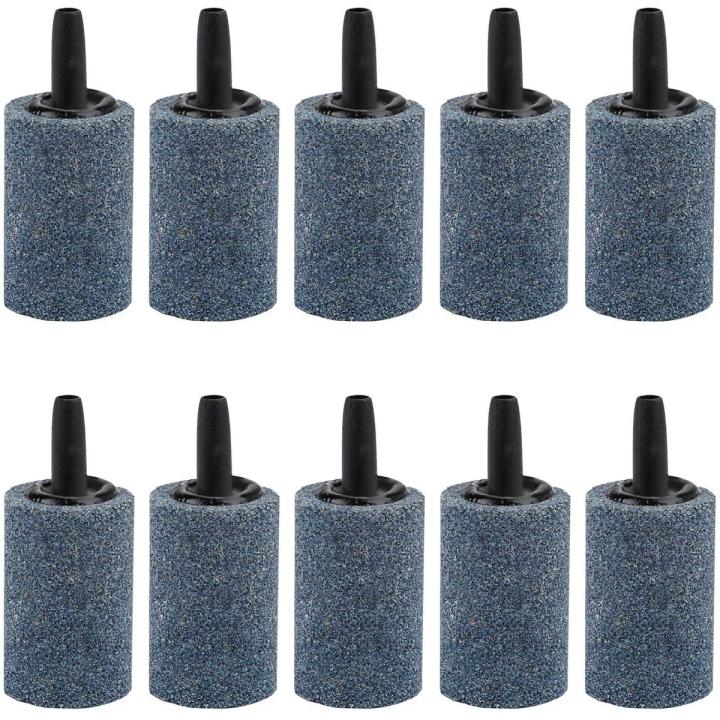
Method 1: Air Stone and Air Pump (Best Method)
This is the most effective solution.
Air pumps push bubbles into water, increasing oxygen.
Benefits:
- Cheap
- Reliable
- Easy to install
- Immediate results
Method 2: Keep Water Temperature Cool
Warm water holds less oxygen.
Ideal temperature range:
| Temperature | Oxygen Level |
|---|---|
| 18–22°C | Excellent |
| 23–25°C | Good |
| 26–28°C | Risky |
| Above 28°C | Dangerous |
Cool water protects roots.
Method 3: Avoid Overcrowding Roots
Roots need space.
Too many plants in small reservoirs reduce oxygen availability.
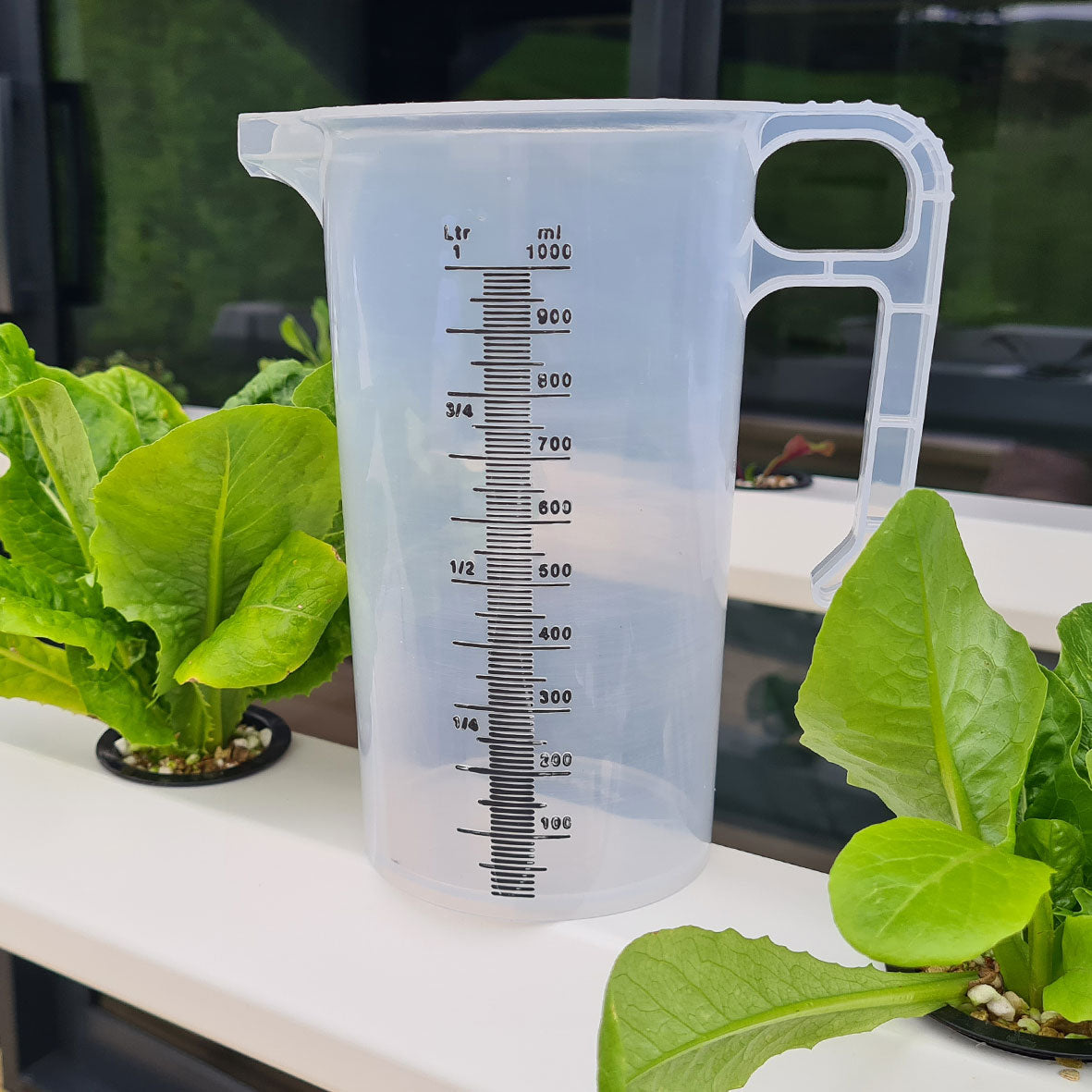
Trick #2: Use the “Half-Strength Nutrient Strategy”
This trick surprises almost everyone.
Beginners often think more nutrients equals faster growth.
The opposite is usually true.
Too many nutrients overwhelm herbs.
Why Less Nutrient Works Better
Herbs evolved to grow in moderate conditions.
Overfeeding causes:
- Nutrient burn
- Weak roots
- Bitter taste
- Slower growth
Half-strength feeding produces healthier herbs.
Recommended Nutrient Strength Table
| Herb | Full Strength EC | Recommended EC (Half Strength) |
|---|---|---|
| Basil | 2.0 | 1.0–1.2 |
| Mint | 1.8 | 0.8–1.0 |
| Cilantro | 1.6 | 0.7–0.9 |
| Parsley | 1.8 | 0.9–1.1 |
| Thyme | 1.6 | 0.8–1.0 |
| Oregano | 1.8 | 0.9–1.1 |
EC means electrical conductivity — a measure of nutrient strength.
Lower EC improves root efficiency.
Visual Growth Comparison
| Nutrient Strength | Growth Speed | Root Health |
|---|---|---|
| Too high | Slow | Weak |
| Medium | Moderate | Average |
| Half strength | Fast | Strong |
Additional Benefit: Better Flavor
Herbs grown with moderate nutrients produce stronger aroma and taste.
Professional growers intentionally avoid overfeeding.
Trick #3: Control Light Distance Instead of Light Power

Many people buy powerful grow lights but ignore distance.
Light distance determines energy absorption efficiency.
Ideal Light Distance Chart
| Light Type | Distance |
|---|---|
| Weak LED | 10–15 cm |
| Medium LED | 20–30 cm |
| Strong LED | 30–45 cm |
Too close burns plants.
Too far slows growth.
Correct distance maximizes growth efficiency.
Signs Light Distance Is Correct
Positive signs:
- Compact growth
- Dark green leaves
- Fast growth
- Strong stems
Negative signs:
| Symptom | Cause |
|---|---|
| Stretching | Light too far |
| Leaf burn | Light too close |
| Slow growth | Poor light intensity |
Best Hydroponic Systems for Herbs
Some systems work better for herbs than others.
Comparison Table
| System Type | Difficulty | Cost | Best For |
|—|—|—|
| Deep Water Culture | Easy | Low | Beginners |
| Kratky Method | Very Easy | Very Low | Passive growing |
| NFT System | Medium | Medium | Faster growth |
| Drip System | Medium | Medium | Larger setups |
Deep Water Culture is ideal for beginners.
Best Herbs for Hydroponic Growing
Some herbs grow faster than others.
Herb Growth Speed Chart
| Herb | Growth Speed | Difficulty |
|---|---|---|
| Basil | Very fast | Easy |
| Mint | Very fast | Easy |
| Cilantro | Fast | Medium |
| Parsley | Medium | Easy |
| Thyme | Slow | Easy |
| Oregano | Medium | Easy |
Basil is the best herb for beginners.
Step-by-Step Hydroponic Herb Setup Guide
Materials Needed
| Item | Purpose |
|---|---|
| Container | Holds water |
| Net pots | Hold plants |
| Air pump | Adds oxygen |
| Air stone | Creates bubbles |
| Nutrient solution | Feeds plants |
| Grow light | Provides energy |
Setup Steps
- Fill container with water
- Add nutrients (half strength)
- Install air pump and air stone
- Place plants in net pots
- Position grow light correctly
- Turn on system
Growth begins immediately.
Herb Growth Timeline Chart
| Day | Growth Stage |
|---|---|
| Day 1–3 | Root adjustment |
| Day 4–7 | Early growth |
| Day 8–14 | Rapid growth |
| Day 15–21 | Harvest ready |
Hydroponic herbs grow faster than soil herbs.
Cost Breakdown Chart
| Item | Cost |
|---|---|
| Container | $5–10 |
| Air pump | $10–20 |
| Nutrients | $10 |
| Net pots | $5 |
| Grow light | $20–50 |
Total setup cost: $50–100
Common Beginner Mistakes
Avoid these mistakes:
| Mistake | Result |
|---|---|
| Overfeeding | Root damage |
| Poor oxygen | Root rot |
| Wrong light distance | Slow growth |
| Dirty water | Disease |
Simple corrections improve results quickly.
Real-World Growth Comparison Chart
| Method | Growth Speed | Yield |
|---|---|---|
| Soil | Normal | Medium |
| Hydroponic basic | Fast | High |
| Hydroponic optimized | Very fast | Very high |
Setup optimization dramatically improves output.
Harvest Tips for Maximum Regrowth
Never harvest entire plant.
Instead:
- Cut top leaves
- Leave lower leaves intact
- Allow regrowth
Plants continue producing for months.
Environmental Optimization Chart
| Factor | Ideal Range |
|---|---|
| Temperature | 18–26°C |
| Humidity | 40–60% |
| Light hours | 12–16 hours |
| Water pH | 5.5–6.5 |
Balanced environment ensures maximum growth.
Final Thoughts
Hydroponic herb growing isn’t about complexity. It’s about precision and understanding how plants actually behave.
The three most powerful tricks — increasing root oxygen, using half-strength nutrients, and optimizing light distance — can transform a struggling system into a highly productive one.
These adjustments don’t require expensive equipment. They require awareness.
Once these fundamentals are mastered, herbs grow faster, stronger, and more consistently than soil-grown plants.
Hydroponics stops feeling like an experiment and starts feeling like control.
Frequently Asked Questions (FAQs)
1. What is the easiest herb to grow hydroponically?
Basil is the easiest herb. It grows quickly, adapts easily, and tolerates beginner mistakes well.
2. How often should I change hydroponic water?
Change water every 2–3 weeks. Fresh water prevents nutrient imbalance and disease.
3. Do hydroponic herbs taste better than soil herbs?
Yes. Controlled nutrients often produce stronger flavor and aroma.
4. Can hydroponic herbs grow without sunlight?
Yes. LED grow lights fully replace sunlight and support healthy growth.
5. How long do hydroponic herbs live?
Most herbs live 4–8 months or longer with proper care.
6. Is hydroponic growing expensive?
No. Basic systems cost $50–100 and save money long term.
If you’d like, I can also convert this into a blog-ready formatted version with headings, SEO keywords, and human-style storytelling tone optimized for Google ranking.