Visualize walking out on your balcony and grabbing a few sprigs of fresh lavender for headache relief, or snipping some peppermint to ease an upset stomach. And that is the beauty of an urban pharmacy garden. It puts natural remedies at your fingertips — no matter the size of your space.
Urban pharmacy gardening will grow up quickly. More urbanites are converting windowsills, rooftops and pint-size balconies into green medicine cabinets. But here is the thing — you cannot take a few seeds and throw them in a cup of dirt and think they will sprout. It takes the right supplies to make it work.
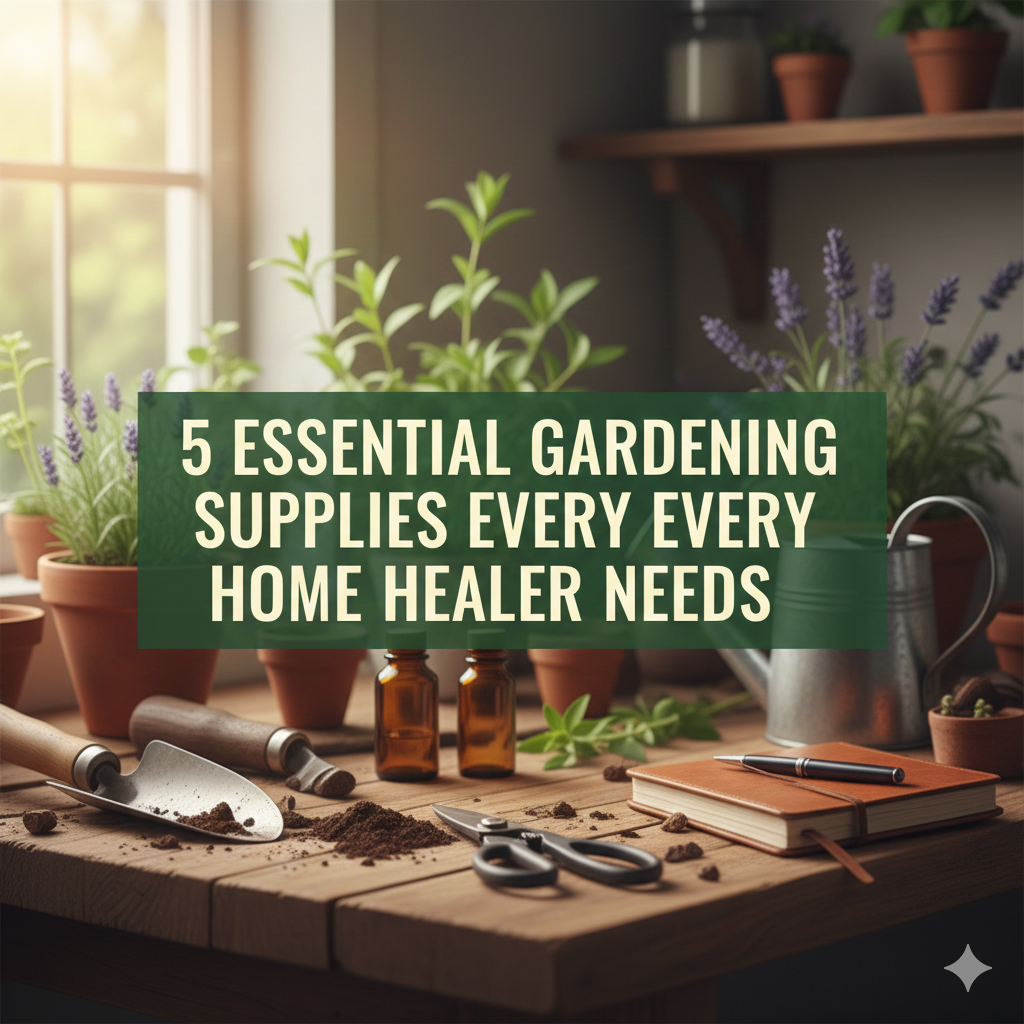
This guide explains the 5 essential urban pharmacy gardening supplies for beginners. If you’re a complete novice or someone who has already dabbled in growing a few herbs, this list will help you build a smarter, more productive medicinal garden.
The Hot New Thing: Urban Pharmacy Gardens
People are fed up with pricey supplements and unclear ingredients on pill bottles. Growing your own medicinal herbs allows you to take charge. You can be sure of exactly what’s in your remedy because you grew it yourself.
City space isn’t holding anyone back either. Vertical planters, compact containers and smart grow lights have made it possible to cultivate healing plants in apartments, dorm rooms and tiny urban homes.
But the key to success? Having the right urban pharmacy gardening supplies to get you started. Your herbs won’t do you any good if poor soil, inappropriate pots or no plant light kills them off first.
Let’s fix that right now.
Supply #1 — The Correct Containers for Medicinal Herbs
The Importance of Container Choice
Containers are where your plants live. A poor home will give you unhealthy, sickly plants. A good one? Your herbs will flourish, flower and give you more leaves to harvest.
Not every type of container will work best for urban pharmacy gardening. Different medicinal herbs like echinacea, chamomile and valerian have varying root depths. Some are shallow. Others go deep. Choose the wrong pot and you stall growth and kill yields.
Container Types Suitable for Urban Medicinal Gardens
| Container Type | Best For | Pros | Cons |
|---|---|---|---|
| Terracotta Pots | Lavender, Thyme, Rosemary | Breathable, classic appearance | Dries quickly |
| Fabric Grow Bags | Echinacea, Valerian | Great drainage, foldable | Requires more watering |
| Self-Watering Planters | Mint, Lemon Balm | Low maintenance | Higher cost |
| Window Boxes | Basil, Parsley, Chamomile | Space-saving | Limited depth |
| Vertical Wall Planters | Multiple small herbs | Saves floor space | Soil can dry unevenly |
What Size Container Should You Choose?
Here’s a good rule of thumb:
- Small herbs (basil, thyme, chamomile) — 6 to 8 inch pots
- Medium herbs (lavender, lemon balm, mint) — 10 to 12 inch pots
- Large roots (valerian, echinacea, ashwagandha) — 14 inch or deeper containers
Don’t skimp on size. Poor root development equals a stressed plant. Stressed plants create lower levels of active compounds — and therefore medicine that is less potent for you.
Drainage Is Non-Negotiable
Every container needs drainage holes. Period. Waterlogged roots rot quickly, especially with herbs like rosemary and lavender that despise standing in wet soil. If you are in love with a pot that has no holes, use it as a cover pot and put your actual herb inside a smaller nursery pot.
Supply #2 — High-Quality Medicinal Herb Potting Mix
Regular Potting Soil Just Will Not Do
Walk into any garden center and you’ll find bags of “all-purpose potting mix.” It works perfectly well for flowers and tomatoes. But for medicinal herbs? It’s usually too heavy, too moisture-retaining and too depleted of the nutrients that your pharmacy plants really need.
Herbs with medicinal properties have evolved in particular climate regions. Mediterranean herbs such as oregano and thyme like dry, gritty soil. Herbs that prefer a bit of moisture, such as holy basil and lemon balm, want richer, slightly moist mixes. A single bag of generic soil cannot do both jobs well.
Build Your Own Medicinal Potting Mix
The best urban pharmacy gardeners mix their own blend. Here’s a solid base recipe:
All-Purpose Medicinal Herb Mix:
- 50% high-quality potting mix (make sure it has added perlite)
- 25% perlite or coarse sand (for drainage)
- 15% compost (for nutrients)
- 10% coconut coir (to hold moisture)
For Mediterranean herbs such as lavender and thyme, increase the perlite to 35% and cut down on the compost. These plants thrive in lean, fast-draining soil.
Key Soil Amendments Worth Adding
Worm castings — Mild, slow-release fertilizer that will not burn roots. Sprinkle a handful on each pot every few months.
Biochar — Enhances soil structure and provides nutrition to beneficial microbes. Great for long-term container growing.
Mycorrhizal inoculant — Beneficial fungi that bind to roots and aid in their ability to absorb nutrients. Dab a tiny bit straight on roots while replanting.
Why You Need to Know About pH Levels
The preferred soil pH for most medicinal herbs is between 6.0 and 7.0. If the pH is too acidic or too alkaline, plants cannot absorb nutrients even if they are available in the soil.
Grab a basic soil pH test kit from any gardening store. They cost just a few dollars and spare your plants from mystery nutrient deficiencies.
Supply #3 — Full-Spectrum Grow Lights for Indoor Urban Growing
Why Indoor Herbs Don’t Succeed: The Top Reason
Ask any urban gardener what has killed their herbs and most will tell you the same thing: not enough light. In a city apartment, natural window light is usually blocked by other buildings, curtains or simply by the narrow angle of available sun during winter months.
Medicinal herbs are sun lovers. Most require 6 to 8 hours of direct or bright indirect light per day. Without it, plants get leggy and weak and virtually useless for medicinal use. Thin, pale and stretched-out plants have much lower amounts of essential oils and active compounds.
This is where grow lights become one of the most essential urban pharmacy gardening supplies you’ll ever spend money on.
Full-Spectrum vs. Regular LED Bulbs
You can’t just pick any LED bulb and shine it on your herbs. Most household LEDs aren’t designed to replicate sunlight. They lack essential wavelengths your plants require for vibrant growth.
Full-spectrum grow lights mimic the entire spectrum of sunlight — from blue wavelengths that generate leaf growth to red wavelengths that stimulate flowering and root development.
| Light Type | Leaf Growth | Triggers Blooms | Energy Efficient | Cost |
|---|---|---|---|---|
| Regular LED | Partial | No | Yes | Low |
| Full-Spectrum LED | Yes | Yes | Yes | Medium |
| T5 Fluorescent | Yes | Limited | Moderate | Low |
| HID / HPS | Yes | Yes | No | High |
| COB LED Arrays | Yes | Yes | Very High | Medium-High |
Full-spectrum LED panels tend to be the sweet spot for urban pharmacy gardens. They are energy efficient, run cool, last for thousands of hours and cover multiple plants at once.
How Far Away From Your Plants Should Grow Lights Be?
- Seedlings — Lights 4 to 6 inches away
- Vegetative stage — 6 to 12 inches away
- Mature herbs — 12 to 18 inches away
For most medicinal herbs, use a timer to run your grow lights 14 to 16 hours per day. This replicates a long summer day and induces consistent growth year-round.
Top Medicinal Herbs to Grow Under Lights
Basil, lemon balm, mint, holy basil (tulsi), calendula, echinacea seedlings and chamomile all thrive in full-spectrum LED setups. Even herbs that would typically require full sun outdoors can flourish indoors with adequate light intensity.
Supply #4 — Organic Liquid Fertilizers for Strong Herbs
Feeding Your Medicine, Not Just Your Plants
Here’s something many novice urban gardeners don’t consider: what you feed your plants is directly correlated to the medicinal potency of your harvest. Plants that are nutrient-stressed or over-fertilized with synthetic chemicals produce fewer essential oils, flavonoids and active compounds.
That means your lavender may smell less pungent. Your echinacea may have reduced immune-boosting power. Your peppermint might not have that sharp, cooling menthol kick.
Organic liquid fertilizers nourish plants in a manner that promotes their natural chemistry — keeping medicinal compounds strong and concentrated. For a deeper dive into which herbs pair best with each fertilizer type, The Herb Garden is a fantastic resource worth bookmarking.
Top Organic Liquid Fertilizer Options
Fish emulsion — One of the top all-around options for leafy medicinal herbs. Rich in nitrogen and trace minerals. It smells bad but is super effective. Dilute it before use — typically 1 tablespoon per gallon of water.
Seaweed extract — Rich in plant hormones, trace minerals and stress-resistance compounds. Does not replace a complete fertilizer but is an excellent booster every couple of weeks.
Compost tea — This liquid, brewed from aged compost, is teeming with beneficial microbes and mild nutrients. You can brew it at home using an air pump, compost and water.
Worm casting liquid — Gentle and safe. Excellent for seedlings and delicate herb varieties. Safe to use weekly without burning plants.
The Feeding Schedule That Actually Works
| Growth Stage | Fertilizer Type | Frequency |
|---|---|---|
| Seedling | Diluted worm casting liquid | Every 2 weeks |
| Active Growth | Fish emulsion or compost tea | Every 7–10 days |
| Pre-Harvest | Seaweed extract | Once before harvest |
| Winter / Rest Period | No fertilizer | Until spring |
One important note: do not fertilize 1 to 2 weeks before a major harvest. This allows the plant time to invest energy into developing its essential oils rather than forcing new leaf growth.
What to Avoid Completely
Synthetic high-nitrogen fertilizers promote quick, lush, leafy growth — but they reduce the precious chemical compounds that make your herbs medicinal. Stay away from anything marketed as a “lawn booster” or that contains urea. These are fine for ornamental plants but are not conducive to a pharmacy garden.
Supply #5 — Harvesting and Drying Tools
Your Herbs Are Only as Good as Your Harvest
You have been growing beautiful, healthy medicinal herbs. Now the real skill comes into play: harvesting and preserving them properly. Poor harvesting damages plants. Bad drying destroys active compounds. The right tools make all the difference between effective medicine and mere decorative herbs.
Beginners often fail to pay attention to this last category of urban pharmacy gardening supplies. But those who have spent years growing herbs will tell you — the tools you use after the harvest are just as important as the ones you use during growing.
Essential Harvesting Tools
Pruning snips or herb scissors — Clean, sharp cuts are vital. Dull scissors crush plant stems and injure surrounding tissue, inviting disease and slowing regrowth. For precision cutting, seek out stainless steel snips with a fine tip.
Harvesting baskets or mesh trays — Breathable containers prevent bruising and allow airflow around freshly cut herbs. Avoid plastic bags for fresh harvest — they trap moisture and lead to mold within hours.
Gloves — Certain medicinal plants, such as rue, borage or high-concentration echinacea, can provoke skin reactions in sensitive people. Thin gardening gloves protect your hands while still allowing the dexterity needed for fine harvesting work.
Drying Equipment That Preserves Potency
How you dry herbs dictates how much medicinal value they keep. Heat, light and humidity are the three enemies of a quality dry.
Herb drying racks — Simple mesh hanging racks that allow air to flow on all sides. Hang small bundles upside down for 1 to 3 weeks depending on moisture content. These are economical and work wonderfully for lavender, chamomile, mint and lemon balm.
Food dehydrators with temperature control — A dehydrator set between 95°F and 115°F (35°C to 46°C) dries herbs in 1 to 4 hours without damaging heat-sensitive compounds. This is great for high-moisture herbs like basil and holy basil.
Dark glass storage jars — Once dried, herbs need to be stored out of the light. UV rays degrade essential oils and active compounds rapidly. Amber or dark glass jars with tight-fitting lids are the gold standard. Write on each jar the name of the herb and the date harvested.
The Right Time to Harvest Medicinal Herbs
| Herb | Best Harvest Time | Part to Harvest |
|---|---|---|
| Lavender | Just before flowers fully open | Flower stems |
| Chamomile | When flowers are fully open | Flower heads |
| Peppermint | Before flowers open | Leaves and stems |
| Echinacea | Year 2 or 3, late summer | Roots, flowers, leaves |
| Lemon Balm | Morning, after dew dries | Leaves |
| Holy Basil | Before flowering | Leaves and tips |
Timing matters. Harvesting at just the right moment captures plants at peak medicinal potency. According to research published by the National Institutes of Health, the concentration of active compounds in medicinal herbs can vary significantly depending on harvest timing and post-harvest handling.
Your Urban Pharmacy Starter Setup — Putting It All Together
Here is a quick summary of everything this guide covers:
| Supply | Purpose | Budget Option | Premium Option |
|---|---|---|---|
| Containers | Plant housing | Fabric grow bags | Self-watering planters |
| Potting Mix | Healthy root environment | DIY blended mix | Pre-made herb blend |
| Grow Lights | Indoor light source | T5 fluorescents | Full-spectrum LED panel |
| Organic Fertilizer | Medicinal potency support | Fish emulsion | Compost tea system |
| Harvest & Drying Tools | Post-harvest preservation | Mesh drying rack | Dehydrator + dark glass jars |
You don’t have to purchase all of the supplies at once. Begin with containers, good soil and a basic grow light. As your garden expands and your confidence grows, add fertilizers and drying tools for preservation.
5 Healing Herbs Perfect for the Urban Pharmacy Garden
Here is a little selection of beginner-friendly herbs that work beautifully with all 5 supplies above:
1. Peppermint — Grows easily, spreads fast and is great for digestive support and headaches.
2. Lavender — Calming, fragrant and helpful for sleep support and reducing stress.
3. Lemon Balm — A gentle herb for anxiety, sleep and mood. Thrives in containers.
4. Chamomile — Classic calming herb. Grows well indoors under lights.
5. Holy Basil (Tulsi) — Adaptogenic herb with numerous health benefits. Loves warmth and light.
FAQs About Urban Pharmacy Gardening Supplies
Q: Is it possible to grow medicinal herbs indoors with no natural light? Yes, absolutely. With a good quality full-spectrum LED grow light, medicinal herbs can be grown fully indoors. Many urban growers use artificial lighting alone to raise gorgeous, potent herbs all year long in basement apartments or north-facing units.
Q: How much money do I need to start an urban pharmacy garden? A basic setup can cost as little as $50 to $80. That includes a few fabric grow bags, a bag of potting mix, some seeds or seedlings and a basic liquid fertilizer. A grow light adds another $30 to $100, depending on the model. More premium setups can run higher, but budget options work nicely for beginners.
Q: Do I have to have all five supplies before starting? Not necessarily. You can start without a grow light if you have a sunny south-facing windowsill. If you’re growing just two or three pots, a bagged organic herb potting mix will do fine without making up a custom blend. Start with what you have and iterate over time.
Q: How do I know when my medicinal herbs are potent enough to use? The best signs are healthy colour, strong smell and vibrant growth. Herbs harvested at just the right moment (by referring to the harvest table above) and dried properly will smell and taste strongly — two good indications of medicinal quality. A weak smell typically equals diminished potency.
Q: Is organic fertilizer actually better than synthetic for medicinal herbs? For medicinal use, yes. Synthetic fertilizers accelerate growth but can dilute essential oil content and active medicinal compounds. Organic options nourish the soil food web and help maintain the plant’s natural chemistry. Studies on aromatic herbs have consistently shown higher essential oil content in organically grown plants.
Q: What is the shelf life of dried medicinal herbs? Dried herbs, when stored in dark glass jars away from heat and humidity, are generally good for 1 to 3 years. Roots usually last longer than leaves. Flowers tend to lose potency faster. Smell-test before use — if the aroma is faint, the medicinal value has probably diminished.
Q: Can children help with an urban pharmacy garden? Yes, and it is a great learning experience. Most medicinal herbs are safe to handle and grow around children. Just supervise around any plants that could cause skin irritation (rue, for example), and make sure children know not to eat or use any preparations without adult guidance.
Grow Your Own Pharmacy: How to Create a Green Medicine Cabinet
Urban pharmacy gardening is more than a hobby. It’s a lifestyle change toward knowing exactly what you put in your body and where it came from. The five essential urban pharmacy gardening supplies this guide covers — the right containers, quality potting mix, full-spectrum grow lights, organic liquid fertilizers and proper harvesting tools — are your foundation.
None of this requires a yard. None of this needs to cost a fortune. It only takes the right information and the desire to get started.
Your balcony, windowsill or empty corner of a room has more to offer than you might think. With these supplies ready, you’re not just growing plants. You’re cultivating something that nourishes your health, immerses you in nature and provides you with a lifelong skill.
Start small. Stay consistent. And let your urban pharmacy garden grow one healing plant at a time.