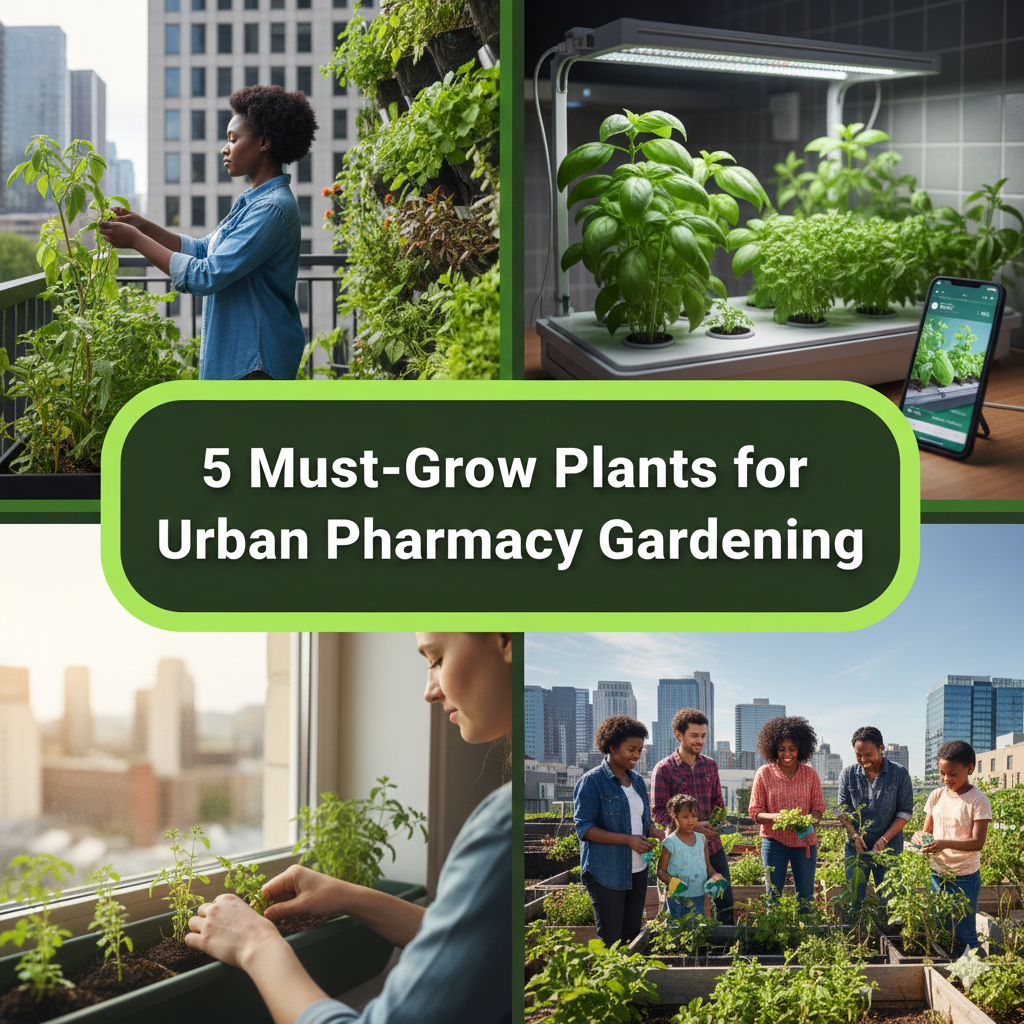
Suppose you step onto your balcony, pluck a fresh leaf and use it to relieve your headache, soothe an upset stomach or heal a cut. That is not a fantasy. That is what urban pharmacy gardening allows.
Increasingly, urban dwellers are transforming their tiny spaces into green places of healing. A windowsill, a fire escape, a rooftop corner — these small spaces can shelter plants that function as an apothecary in miniature. No prescription needed. No long drive to the store.
Medicinal plants can be cultivated in city areas: this practice is known as urban pharmacy gardening. And the mission is straightforward: to have nature’s cure within reach. Many of these plants have been used by various cultures for thousands of years. Today, they are seeing a resurgence — and for good reason.
In this article, we will explore the 5 most important plants for urban pharmacy gardening. You will discover what they do, how to grow them in limited space and how to use them safely. If all you have is a tiny balcony or just a sunny kitchen window, these are the plants for you.
Why City Dwellers Are Returning to Plant-Based Medicine
Modern medicine is powerful. But it is also expensive. And for common ailments — stress, small cuts, poor sleep, digestive woes — many people lean toward a softer touch.
Research indicates that worldwide interest in herbal medicine has increased over the last ten years. According to the World Health Organization, some form of plant-based medicine continues to be the primary healthcare for approximately 80% of the world’s population.
Enthusiasm for sustainability is also on the rise among city dwellers. Harvesting your own remedies helps you create less packaging waste, saves you money and gives you an opportunity to connect with nature — even in the thick of a concrete jungle.
Urban pharmacy gardening does not replace your physician. It is about having simple, natural tools accessible for daily wellness.
What Is a “Pharmacy Plant”?
Not all green plants are pharmacy plants. There are a couple of traits that define a true urban pharmacy gardening plant.
It should have well-documented medicinal applications based on traditional knowledge and, hopefully, modern science. It should be simple to grow in containers. It must flourish in little sunshine or home environments. And it ought to be safe enough for home use and not require meticulous preparation.
All five of the plants on this list fit the bill. They are easy to grow, do not take up much space and are truly useful.
Plant 1: Aloe Vera — The Skin Repair Specialist
What Aloe Vera Actually Does
Aloe vera is quite possibly the most popular plant to grow in an urban pharmacy garden on the planet. The thick, fleshy leaves possess a transparent gel filled with compounds such as acemannan, anthraquinones and polysaccharides. Together, they cool inflammation, accelerate wound healing and moisturize skin.
People use aloe vera gel on sunburns, minor cuts, skin irritation, acne and even dry scalp. Diluted aloe juice is sometimes consumed as a digestive aid, but should be used with caution.
How to Grow Aloe Vera in a City Apartment
Aloe vera is practically made for city living. It stores water in its leaves, so it can survive if you forget to water it for a week or two.
Here is what it needs:
- Light: Bright indirect sunlight. A south-facing or east-facing window works well.
- Pot size: A pot that is slightly wider than the plant base. Aloe does not appreciate too much extra room.
- Soil: Sandy, well-draining soil or a cactus mix.
- Watering: Once every 2–3 weeks. Allow the soil to dry entirely between waterings.
- Temperature: Comfortable at room temperature. Keep it away from cold drafts.
One pot can last for years. As the plant grows, it sends out “pups” — little offshoots — that you can replant in their own pots and share with friends.
How to Use It at Home
Break off a lower leaf, then squeeze out the clear gel. Apply directly to sunburned skin, a small cut or an insect bite. Let it sit for 20–30 minutes or overnight.
Avoid the yellow sap just under the leaf’s skin. That portion, known as latex, can be irritating.
| Feature | Details |
|---|---|
| Medicinal Use | Skin healing, burns, minor wounds |
| Light Required | Bright indirect light |
| Watering | Every 2–3 weeks |
| Pot Size | 6–8 inch pot |
| Difficulty Level | Very Easy |
Plant 2: Peppermint — The All-Purpose Problem Solver
Why Peppermint Deserves a Spot in Every Urban Garden
Peppermint is a powerhouse herb. It contains menthol, a compound that provides those characteristic cool sensations. Menthol has real effects in the body — it relaxes muscles, soothes nausea, diminishes tension headaches and helps clear nasal congestion.
Peppermint tea is one of the most commonly used home remedies globally. Studies found that peppermint oil alleviates the intensity as well as frequency of tension headaches when applied to the forehead. It also soothes an irritable digestive system.
For urbanites managing stress, commuting fatigue and irregular eating habits, peppermint is a daily companion.
City-Friendly Growing Tips
Peppermint grows fast — sometimes too fast. It is highly invasive in outdoor ground beds. But in a container, that energy is focused and works in your favour. You get a lush, leafy plant very quickly.
- Light: Partial to full sun. A few hours of direct morning light is perfect.
- Container size: A minimum of 12 inches wide. Peppermint prefers to sprawl sideways.
- Soil: Moist, rich potting mix.
- Watering: Regularly. Peppermint does not like to dry out. Check the soil every day.
- Growth speed: Very fast. You can harvest leaves within weeks of planting.
One important tip: do not plant peppermint in the same pot as other herbs. It will crowd them out.
Everyday Uses
Steep 6–8 fresh leaves in hot water for 5 minutes to make a soothing tea. Drink after meals for digestion or before bed to unwind. Crush a leaf and smear it on your temples for headache relief. Add fresh leaves to smoothies, water or salads.
Leaves can also be dried and stored in a jar for use all year long.
| Feature | Details |
|---|---|
| Medicinal Use | Digestion, headaches, congestion |
| Light Needed | Partial to full sun |
| Watering | Frequent (daily check) |
| Container Size | 12-inch wide pot |
| Difficulty Level | Easy |
Plant 3: Lavender — Calm in a Pot
The Science Behind Lavender’s Calming Effect
Lavender does not just smell nice. It has genuine therapeutic effects. The main compound, linalool, acts on the nervous system to relax and promote sleep. Multiple clinical studies have shown that inhaling lavender essential oil decreases stress markers in both adults and children.
In urban environments where stress is nearly constant — deadlines, noise, crowding — having lavender close at hand is a real wellness tool. People use it for anxiety, insomnia, minor headaches and even as a natural bug repellent.
Lavender-infused products fill store shelves. But growing your own means you have it fresh, pure and free.
How to Grow Lavender on a Balcony or Windowsill
Lavender is a Mediterranean plant. It thrives in warmth and dry conditions, which can actually work well in sun-exposed urban apartments.
- Light: Full sun. At least 6 hours of direct sunlight a day. A south-facing windowsill or balcony is ideal.
- Pot size: 8–12 inch deep pot with adequate drainage holes.
- Soil: Sandy or gravelly, low-nutrient mix. Do not use rich compost — lavender likes poor soil.
- Watering: Infrequent. Wait until the soil is completely dry. Overwatering is the #1 mistake.
- Pruning: Lightly prune after flowering to encourage bushiness and healthy growth.
Lavender blooms in summer. Those purple flower spikes are both beautiful and useful.
Ways to Use Lavender at Home
Place a few sprigs of dried lavender under your pillow to promote sleep. Steep fresh or dried flowers in hot water for a calming bedtime tea (use lightly — a little goes a long way). Rub a flower head between your fingers and inhale for instant stress relief after a hard day.
You can also create a simple lavender sachet by tucking dried flowers into a little square of cloth, to set in drawers and keep clothing fresh while naturally deterring moths.
| Feature | Details |
|---|---|
| Medicinal Use | Stress relief, sleep, anxiety |
| Light Required | Full sun (6+ hours) |
| Watering | Infrequent |
| Container Size | 8–12 inch pot |
| Difficulty Level | Moderate |
Plant 4: Lemon Balm — The Hidden Treasure of the Urban Pharmacy Garden
The Specialness of Lemon Balm
Lemon balm is an underappreciated herb. It is part of the mint family and carries a fresh lemon fragrance that is immediately uplifting. But aside from its scent, it has actual medicinal qualities.
The active compounds in lemon balm — such as rosmarinic acid and flavonoids — have been studied for their calming effects on the nervous system. Peer-reviewed research has found that lemon balm extracts lessen symptoms of anxiety and improve sleep quality.
It is also mildly antiviral. Topical lemon balm cream has been researched as a treatment for cold sores caused by the herpes simplex virus, and may help to speed healing. Some studies indicate it can reduce healing time dramatically.
For urban life, lemon balm meets several challenges: stress, sleep, digestion and even cold sore management.
Growing Lemon Balm in Containers
Lemon balm is remarkably easy to grow. It is more forgiving than lavender and grows faster than most common medicinal herbs. If you want to explore more herb growing guides and tips, The Herb Garden is a great resource for both beginners and seasoned growers.
- Light: Partial to full sun. It can also tolerate some shade, making it ideal for less sunny apartments.
- Pot size: 8–10 inch container.
- Soil: Well-draining potting mix. Slightly moist is fine.
- Watering: Moderate. Keep soil lightly moist, not soggy.
- Growth: Fast. Harvestable leaves can be had in less than a month.
Like peppermint, lemon balm can take over garden beds, but growing it in a container keeps it nicely in check.
Simple Home Uses
Brew fresh lemon balm tea by steeping 10–12 leaves in hot water for 5–7 minutes. Add a small drizzle of honey. Drink at night to wind down.
For a cold sore, crush fresh leaves and apply the juice directly on the spot several times a day. You can also easily create a simple infused oil by steeping leaves in a small jar of olive oil for two weeks, then applying the oil topically.
Add chopped leaves to salads, pasta or fish dishes. The lemony flavour is a bonus in the kitchen too.
| Feature | Details |
|---|---|
| Medicinal Use | Anxiety, sleep, cold sores |
| Light Needed | Partial to full sun |
| Watering | Moderate |
| Container Size | 8–10 inch pot |
| Difficulty Level | Very Easy |
Plant 5: Calendula — The Protector of Skin and Immune System
Why Calendula Should Grow in Your Urban Pharmacy Garden
Calendula, commonly known as pot marigold, is one of the most versatile medicinal plants in herbal tradition. Its bright orange and yellow flowers contain flavonoids, saponins and triterpenoids — compounds that work together to reduce inflammation, kill bacteria and promote tissue repair.
Skin conditions are where calendula shines brightest. It is used for eczema, dry cracked skin, rashes, minor wounds and diaper rash in babies. It is widely considered a go-to product for natural skincare all over the world.
But calendula has internal applications as well. As a tea, it supports the digestive lining, soothes stomach cramps and may support immune function.
For urban pharmacy gardening, calendula offers something special: it is both a medicinal plant and a strikingly beautiful ornamental one. Your garden heals you and looks beautiful while it does.
Growing Calendula in a City Space
Calendula is perhaps the easiest flower to grow from seed. It grows fast and rewards even complete beginners.
- Light: Full sun. At least 5–6 hours daily.
- Pot size: 8–10 inch deep container.
- Soil: Ordinary potting mix. Calendula is not fussy.
- Watering: Moderate. Water when the top inch of soil feels dry.
- Blooming: Flowers appear approximately 6–8 weeks after planting from seed.
Deadhead spent flowers regularly — that is, remove old blooms — to encourage the plant to keep producing new ones. One calendula plant can flower for months.
Calendula grows best in spring and autumn. It handles light frost, though it does not like intense summer heat.
Making and Using Calendula at Home
The simplest use is calendula tea. Steep 2–3 fresh or dried flower heads in hot water for 10 minutes. Drink for digestive support or immune maintenance.
For external use, prepare a simple calendula-infused oil at home. Fill a small jar with dried petals and cover with olive or almond oil. Seal and place in a sunny spot for 2–4 weeks. Strain and apply the oil to dry or irritated skin.
You can even take this a step further by melting beeswax into the infused oil to create a simple healing balm. It takes about half an hour and only two ingredients.
| Feature | Details |
|---|---|
| Medicinal Use | Skin repair, digestion, immunity |
| Light Needed | Full sun (5–6 hours) |
| Watering | Moderate |
| Container Size | 8–10 inch pot |
| Difficulty Level | Easy |
Side-by-Side Comparison of All 5 Urban Pharmacy Gardening Plants
| Plant | Main Benefit | Light | Water Needs | Best For |
|---|---|---|---|---|
| Aloe Vera | Skin healing | Indirect bright | Very low | Burns, cuts |
| Peppermint | Digestion, headaches | Partial/full | High | Everyday use |
| Lavender | Stress, sleep | Full sun | Low | Anxiety, insomnia |
| Lemon Balm | Calm, cold sores | Partial/full | Moderate | Stress, sleep |
| Calendula | Skin, immunity | Full sun | Moderate | DIY skincare |
How to Get Started: Your Urban Pharmacy Garden Checklist
You do not need much to start your own urban pharmacy garden. Here is a simple checklist to get going:
Space and Containers Choose a place that receives the brightest natural light in your home. A window or balcony facing south or west is ideal. Source pots with drainage holes — plastic, terracotta or ceramic will all do. Be sure each plant has a pot to itself.
Soil and Supplies Get a simple potting mix from your local garden center. For aloe vera and lavender, add some coarse sand to improve drainage. A small bag of slow-release fertilizer is useful but optional.
Sourcing Your Plants Most garden centers carry starter plants of all five species. Calendula and peppermint can also be started from seed. Certified organic seedlings are often sold by online herb nurseries.
Maintenance Habits Build a simple watering schedule. Most of these plants are forgiving, though consistency helps. Inspect leaves for pests weekly. Harvest frequently — this promotes further growth.
Safety Tips Before You Start
Urban pharmacy gardening is mostly safe — but a few rules matter.
Always properly identify your plant before use. Some plants can resemble medicinal ones but are poisonous. If you are pregnant, nursing or on medication, check with a healthcare provider before using herbal remedies internally. Some herbs interact with medications — peppermint, for example, may interfere with some acid reflux drugs.
Use a small amount when trying a plant for the first time. Patch-test skin remedies before applying widely. And remember — these plants promote wellness, but they do not substitute for professional medical care in serious cases.
FAQs About Urban Pharmacy Gardening Plants
What is urban pharmacy gardening? Urban pharmacy gardening is the practice of growing medicinal plants in a city setting — on balconies, windowsills, rooftops or indoors. The aim is to bring natural healing herbs within reach.
Do I need a large space to get started? Not at all. Two or three of these plants would fit easily on a single sunny windowsill. Most medicinal herbs do well in even small containers.
Which urban pharmacy gardening plant is best for beginners? Aloe vera and lemon balm are the simplest to begin with. Both are forgiving, fast-growing and immediately useful.
Can these plants be grown indoors year-round? Definitely. Most of these can be grown indoors all year round with sufficient light. A grow light can supplement natural light during winter months if needed.
Are these plants safe for children? Many are safe in small amounts, but children can be more sensitive to herbal compounds. Always exercise caution and consult with a pediatrician before giving herbal teas or remedies to children.
How will I know when my medicinal plant is healthy enough to use? Look for vibrant color, firm leaves and no signs of mold or pest damage. Do not use any plants that were treated with pesticides you did not apply yourself.
Can I use these plants if I have allergies? Calendula and chamomile belong to the same plant family. If you have ragweed allergies, use calendula cautiously as it may trigger a reaction. Always start with small amounts when testing.
Designing Your Own Healing Garden, One Plant at a Time
Urban pharmacy gardening is one of the most purposeful and rewarding things a city person can do. You do not need a big yard. You do not need a green thumb. All you need is a sunny window, some pots and a bit of curiosity.
These 5 essential urban pharmacy gardening plants — aloe vera, peppermint, lavender, lemon balm and calendula — meet most everyday health needs. They are lovely to look at, satisfying to grow and genuinely useful in your daily life.
Begin with one or two that appeal most to you. Find out how they grow and how they make you feel. Build from there. Over the years, your small collection of pots becomes something precious — a living, breathing medicine cabinet that you grew with your own hands.
The best part? Every leaf you pick, every cup of tea you brew, every smear of homemade balm you apply connects you with something ancient and human. For thousands of years, people have done this. Now you can too — right from your apartment window.