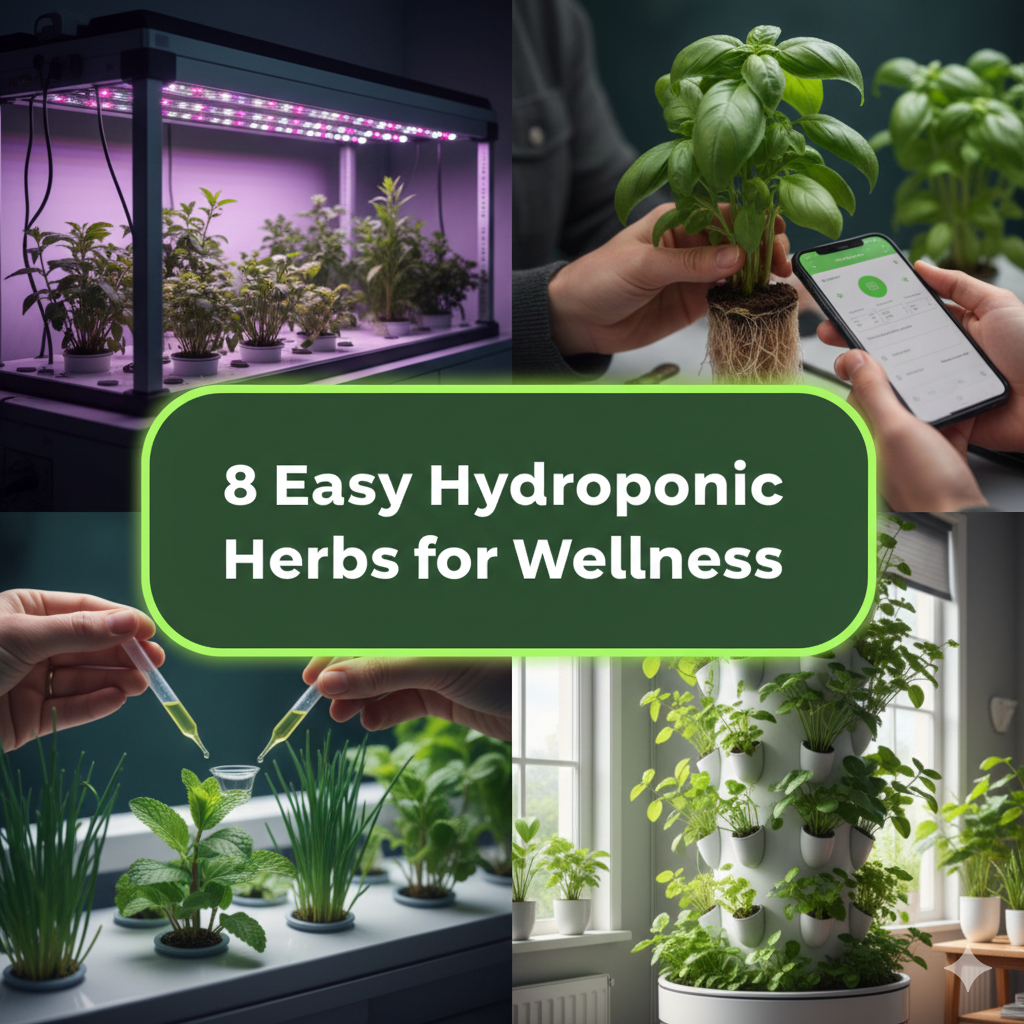
Ever wanted to snip fresh herbs right from your kitchen? No garden. No soil. No waiting for the proper season.
That wish has now come true — with a little help from hydroponics.
One of the smartest things you can do for your health and home is to grow hydroponic herbs for wellness. These plants grow in water rather than soil, which means they’re quicker, cleaner, and available 12 months a year.
Whether you need to banish stress, aid digestion, sleep like a baby, or simply add more natural goodness to your food — herbs are serious business. And if you grow them yourself hydroponically, the benefits compound.
In this article, you’re going to learn about 8 simple hydroponic herbs that are excellent for your health and wellness, along with how to grow them, use them, and get the most out of every leaf.
Why Grow Herbs With Hydroponics?
Before we get down to the list of herbs, let’s discuss why hydroponics is worth your time.
Traditional gardening is wonderful — but it has its challenges. Pests, poor soil, seasonal limitations, and erratic weather can destroy a crop quickly.
Hydroponics eliminates most of those issues. Here’s a glance at what sets it apart:
| Feature | Soil Gardening | Hydroponics |
|---|---|---|
| Space needed | Large outdoor space | Small indoor setup |
| Growth speed | Normal | Up to 50% faster |
| Water usage | High | Up to 90% less |
| Pest risk | High | Much lower |
| Year-round growing | No | Yes |
| Soil needed | Yes | No |
Hydroponics wins almost across the board, as you can tell. And for wellness herbs in particular, faster growth translates to fresher leaves and more potent natural compounds.
What Makes a Herb Good for Wellness?
Not all plants belong in your wellness routine. The herbs on this list were selected for good reason — they provide real, science-based health benefits, and all are easy to grow in a hydroponic system.
A good wellness herb usually:
- Contains natural compounds including antioxidants, vitamins, or essential oils
- Supports a body function like digestion, immunity, or sleep
- Has been used for centuries in traditional medicine
- Flourishes in water-based systems with little maintenance
With that being said, let’s dive into the herbs.
1. Peppermint — The Digestive Powerhouse
Why It’s Great for You
Peppermint is one of the most widely used herbs in the world — and it’s easy to see why. It contains menthol, a natural compound that cools, calms, and soothes.
Studies have shown peppermint is helpful for:
- Indigestion and bloating
- Headaches and tension
- Nausea and upset stomach
- Mental alertness and focus
Just smelling peppermint has been found to enhance mood and decrease fatigue. That makes it a twofer — great on the plate and great for the senses.
How It Grows Hydroponically
Peppermint loves water. It’s almost made for hydroponic systems. It propagates quickly, so plant it in a container of its own or risk it consuming adjacent plants.
Best system: Deep Water Culture (DWC) or Kratky method Light needs: 14–16 hours per day pH level: 6.0–7.0 Growth time: Harvest in about 4–6 weeks
How to Use It
Steep fresh peppermint leaves for a tea, mix them into smoothies, or chop them over salads. A peppermint steam — boiling water and fresh leaves in a bowl — will also quickly open up sinuses.
2. Basil — The Anti-Inflammatory All-Star
Why It’s Great for You
Basil isn’t just for pasta. This aromatic herb is a rich source of vitamins A, C, and K, as well as the potent antioxidants eugenol and linalool.
Basil helps:
- Reduce inflammation in the body
- Support liver health
- Fight harmful bacteria naturally
- Protect cells from oxidative stress
There’s also preliminary research indicating that basil may help with blood sugar regulation, which is a huge plus for long-term health.
How It Grows Hydroponically
Basil is one of the most popular hydroponic herbs out there. It’s a speedy grower, giving you lush aromatic leaves in no time.
Best system: NFT (Nutrient Film Technique) or DWC Light needs: 16–18 hours per day pH level: 5.5–6.5 Growth time: 3–5 weeks to first harvest
Pro tip: Remove the flower buds as they form. This keeps the plant in leaf-production mode and prolongs your harvest by weeks.
How to Use It
Fresh basil is best. Toss it with tomato dishes, salads, or soups, or blend it into a simple pesto. For a wellness boost, steep a few leaves in hot water with lemon and honey.
3. Lavender — The Stress Reliever You Can Grow at Home
Why It’s Great for You
Lavender has long been used for its soothing effects. Modern science backs this up. Research indicates that the natural scent of lavender can reduce cortisol (the stress hormone), alleviate anxiety, and enhance sleep quality.
Key wellness benefits include:
- Reduced anxiety and nervousness
- Better sleep and relaxation
- Pain relief for headaches and minor aches
- Antimicrobial properties that fight skin issues
How It Grows Hydroponically
Lavender probably has higher demands than most other herbs on this list, but is still relatively easy to get right for beginners with the right setup.
Best system: Ebb and flow (flood and drain) Light needs: 14+ hours per day (or a south-facing window) pH level: 6.4–6.8 Growth time: Slower than other herbs — give it 90+ days for a full plant, but you can start enjoying it in smaller harvests sooner
How to Use It
Dry the flowers and place a small sachet next to your pillow for better sleep. Make a lavender tea and sweeten it with honey to soothe nerves. Apply diluted lavender essential oil to your temples for tension headaches.
4. Chamomile — Nature’s Sleep Aid
Why It’s Great for You
If you’ve had a rough night of sleep, chamomile is your herb. It contains apigenin, a type of antioxidant that attaches to receptors in the brain and induces sleepiness while decreasing insomnia.
Chamomile is also great for:
- Calming an anxious mind
- Soothing an upset stomach
- Reducing inflammation
- Supporting skin health when used topically
How It Grows Hydroponically
Chamomile does like some space and airflow, but it works well in hydroponic setups and is relatively low-maintenance.
Best system: Kratky method or DWC Light needs: 16 hours per day pH level: 5.6–7.5 (very flexible) Growth time: 8–10 weeks to flowering
The flowers are the most precious part, so it is better to wait until they blossom before harvesting.
How to Use It
The traditional usage is chamomile tea. Steep the fresh or dried flowers in hot water for 5 minutes, add honey, and drink 30 minutes before bed. You can also use cooled chamomile tea as a face rinse to combat redness and irritation.
5. Lemon Balm — The Mood Booster Nobody Talks About Enough
Why It’s Great for You
Lemon balm is a member of the mint family, and it smells simply divine — like lemons with an herbal twist. But beyond its scent, this herb packs a real wellness punch.
It has been studied for its capacity to:
- Reduce anxiety and promote calm
- Improve memory and concentration
- Ease insomnia and restless sleep
- Soothe cold sores when used topically (it has antiviral properties)
Some research even suggests lemon balm may improve mood in people with mild depression — naturally.
How It Grows Hydroponically
Like peppermint, lemon balm is a member of the mint family, so it loves water and grows quickly.
Best system: DWC or Kratky Light needs: 12–16 hours per day pH level: 6.0–7.5 Growth time: 4–6 weeks
Prune it back to promote bushy growth. If left unchecked, it can become leggy.
How to Use It
Steep fresh lemon balm leaves for 10 minutes for a simple tea. Mix it with cold water and mint for a cooling wellness drink. You can also crush fresh leaves and apply them directly to a cold sore for topical relief.
6. Thyme — Your Immune System’s Best Friend
Why It’s Great for You
Thyme is one of those herbs that most people associate only with cooking chicken. But this little-leafed plant is a wellness powerhouse hiding in plain sight.
Thyme contains considerable amounts of thymol, a powerful natural antiseptic. It also is rich in vitamins C and A, manganese, and many antioxidants.
Regular use of thyme can:
- Strengthen the immune system
- Fight respiratory infections and coughs naturally
- Defend against harmful bacteria and fungi
- Support heart health through its antioxidant activity
How It Grows Hydroponically
Thyme doesn’t demand much — just good light, steady nutrients, and the right pH. It’s one of the easiest, most low-maintenance herbs you can grow.
Best system: NFT or DWC Light needs: 12–16 hours per day pH level: 5.5–7.0 Growth time: 5–7 weeks
If you are using a passive system, let it dry out a bit between waterings. It doesn’t love being waterlogged.
How to Use It
Try fresh thyme in soups, roasted vegetables, or herbal teas. For a natural cough remedy, steep thyme in boiling water with honey and lemon. You can even make a thyme-infused steam treatment for congestion relief.
7. Rosemary — Brain Health in a Bottle (Without the Bottle)
Why It’s Great for You
Rosemary has a resinous, piney scent that immediately awakens your senses. That’s actually no coincidence — studies show that just smelling rosemary can enhance memory and cognitive performance.
Besides the brain boost, rosemary is good for:
- Improving blood circulation
- Supporting hair growth when applied to the scalp
- Reducing muscle pain and stiffness
- Boosting the immune system with antioxidants like rosmarinic acid
How It Grows Hydroponically
Rosemary takes a little longer to grow than mint-family herbs, but it’s well worth the wait. It’s a woody herb, which means it requires more time to get established.
Best system: Ebb and flow or DWC Light needs: 14–16 hours per day pH level: 5.5–6.0 Growth time: 8–12 weeks for an established plant
Begin with cuttings instead of seeds — this drastically reduces the time.
How to Use It
Pair rosemary with roasted potatoes, bread, or olive oil. For brain and focus benefits, keep a fresh sprig nearby at your desk or diffuse rosemary essential oil while studying. For hair health, boil fresh sprigs in water to make a rosemary rinse, allow it to cool, and pour it over your hair as a final rinse after shampoo.
8. Cilantro — The Detox Herb
Why It’s Great for You
Cilantro (also called coriander in its seed form) is one of the few culinary herbs with documented detoxifying properties. Studies suggest cilantro can help bind to heavy metals in the body and support their removal — a process referred to as chelation.
Additional wellness benefits include:
- Supporting kidney health and detoxification
- Lowering blood sugar naturally
- Fighting foodborne bacteria like Salmonella
- Reducing anxiety and improving sleep quality
Cilantro also boasts vitamins A, C, and K as well as folate and potassium.
How It Grows Hydroponically
Cilantro is a cool-weather herb that quickly bolts (goes to seed) in the heat. For the best leaf yield, keep your grow area on the cooler side.
Best system: NFT or Kratky Light needs: 12–14 hours per day pH level: 6.0–7.0 Growth time: 3–4 weeks (fastest on this list)
Harvest outer leaves often to prolong the plant’s productive life.
How to Use It
Chop fresh cilantro into salsa, tacos, rice bowls, soups, or smoothies. For a detox boost, blend fresh cilantro with cucumber, lemon juice, and water. Drink daily for a gentle, natural cleanse.
Quick Comparison: All 8 Wellness Herbs at a Glance
| Herb | Main Wellness Benefit | Difficulty | Harvest Time |
|---|---|---|---|
| Peppermint | Digestion, focus | Easy | 4–6 weeks |
| Basil | Anti-inflammation | Easy | 3–5 weeks |
| Lavender | Stress, sleep | Moderate | 12+ weeks |
| Chamomile | Sleep, calm | Easy–Moderate | 8–10 weeks |
| Lemon Balm | Mood, anxiety | Easy | 4–6 weeks |
| Thyme | Immunity, antibacterial | Easy | 5–7 weeks |
| Rosemary | Brain health | Moderate | 8–12 weeks |
| Cilantro | Detox | Easy | 3–4 weeks |
Tips for Setting Up Your Hydroponic Herb Garden
The Right System for Beginners
You only need a basic setup to get started. The simplest is the Kratky method — no pump, no electricity, very little maintenance. Simply fill a container with nutrient solution, place your net cups filled with seedlings in, and let the roots do their thing.
If you want something more advanced, a Deep Water Culture (DWC) setup provides better root oxygen flow and quicker growth overall.
For more in-depth herb growing guides and tips on building your indoor garden, The Herb Garden is a fantastic resource worth bookmarking.
Lighting Matters More Than You Think
Most herbs require 12–16 hours of light per day. You can use a south-facing window in summer, but if you want to grow year-round — especially indoors — LED grow lights are the way to go.
Full-spectrum LED panels are cheap, energy-efficient, and last several years. They mimic natural sunlight closely enough to keep your plants thriving even during the dead of winter.
Nutrients, pH, and Water Quality
Herbs get all their nutrition from the nutrient solution. Use a hydroponic nutrient mix geared toward leafy herbs and follow the instructions on the label.
Most herbs will thrive with a pH between 5.5 and 7.0. Use a pH testing kit or digital meter — they are inexpensive and tremendously valuable.
Change your nutrient solution every 1–2 weeks to avoid buildup and keep things fresh.
According to the National Institutes of Health, many of the herbs listed here — including peppermint, chamomile, and lavender — have been the subject of clinical studies confirming their wellness benefits, which makes growing them at home even more worthwhile.
How to Harvest Without Killing Your Plants
The number one mistake new growers make is harvesting too much at once.
The golden rule: never remove more than one-third of the plant at any one time.
Make all cuts just above a leaf node — the joint where a leaf meets the stem. This encourages the plant to branch out and produce even more growth.
The best time to harvest is in the morning — the essential oils in herbs are most concentrated before the heat of the day kicks in.
Common Questions About Hydroponic Herbs for Wellness
Q: Are hydroponic herbs as nutritious and healthy as soil-grown herbs? Yes — in many instances, they’re more powerful. Hydroponic plants are bathed in a perfectly balanced nutrient solution, which means they often grow stronger and more nutrient-dense than their soil-grown counterparts.
Q: What level of experience do I need to start a hydroponic herb garden? None at all. Begin with fast-growing, low-maintenance herbs such as peppermint, basil, or cilantro. The Kratky method is ideal for total novices — it involves almost no equipment and hardly any daily upkeep.
Q: How much does it cost to set up a basic hydroponic herb garden? A basic setup can run $30–$60. That includes a container, net cups, a basic nutrient mix, and a grow medium such as clay pebbles or rock wool. The biggest cost is LED grow lights — entry-level panels start at around $20–$40.
Q: How frequently should I water hydroponic herbs? In a Kratky or DWC system, you don’t water in the traditional sense — the roots sit directly in or near the nutrient solution. You simply top off the solution as it’s used up, which may be every few days depending on how big the plant is.
Q: Can I use hydroponic herbs in teas and remedies right after harvesting? Yes! One of the great benefits of growing hydroponic herbs is the ability to harvest and use them on the same day. No need to worry about pesticides or chemicals — just rinse with clean water and you’re ready.
Q: Which herb works best specifically for stress and anxiety? Lavender and lemon balm are your top two choices for stress and anxiety. Both are well-studied and can be prepared as teas, used for aromatherapy, or applied topically.
Q: Do I need special seeds for hydroponics? No — ordinary seeds work perfectly fine. But beginning with cuttings (for herbs such as rosemary and mint) really accelerates the process. Just take a 4–6 inch cutting from a healthy plant, strip the lower leaves, and place the stem into your nutrient solution.
Conclusion: Start Small, Feel Big Differences
You don’t need a complicated or expensive system to grow hydroponic herbs for wellness. You could begin with one jar on your kitchen counter and one herb plant, then gradually expand as you learn and gain confidence.
The nice thing about this hobby is that it rewards you twice — once when you witness the plants flourishing, and again when you use them to support your health.
Whether it’s a soothing chamomile tea before bed, a fragrant sprig of rosemary at your desk while studying, or fresh peppermint in your morning smoothie, these eight herbs can genuinely make a difference in how you feel — naturally, inexpensively, and right from your own home.
Start with the one that excites you most. Build from there. Your wellness garden is waiting.