
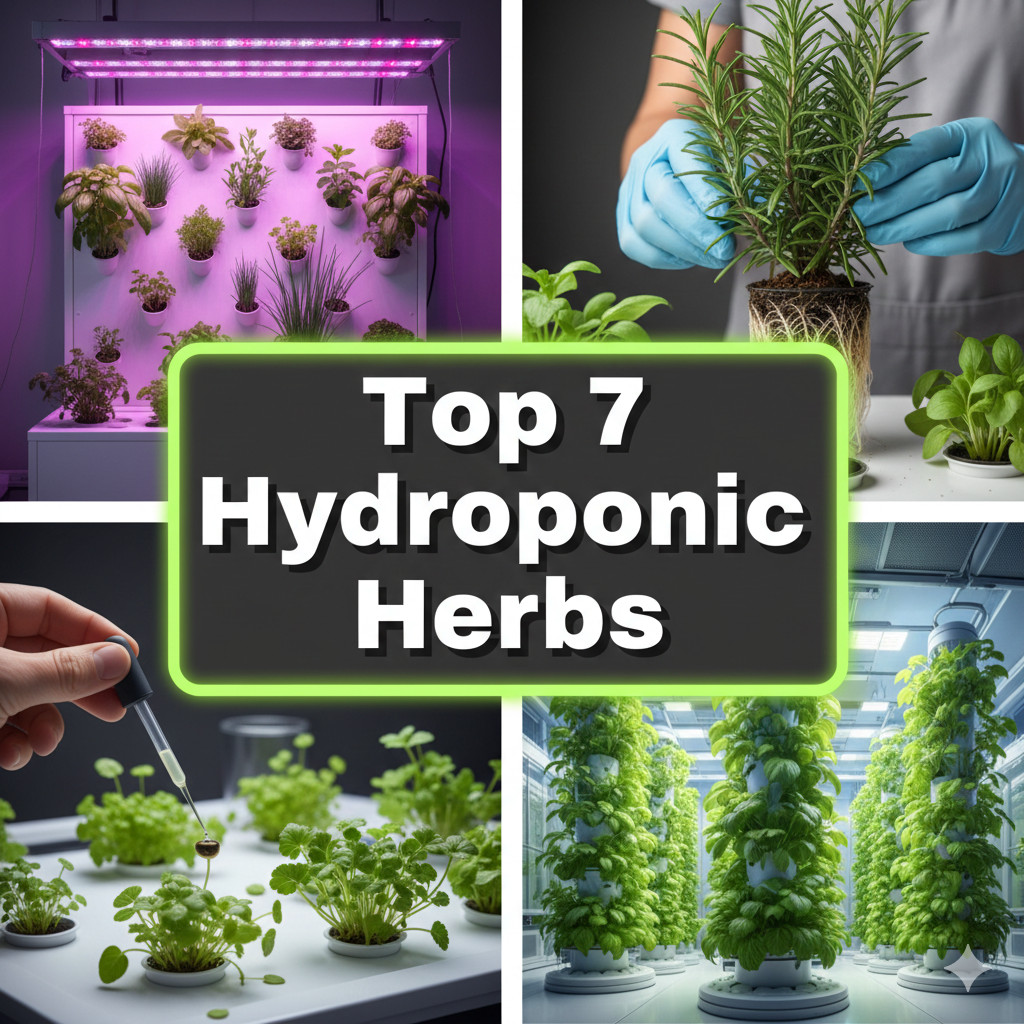
It used to take a backyard, a garden bed and plenty of patience to grow your own herbs. Not anymore. With hydroponic herb gardening, the game has changed completely. You can now grow fresh, healthy herbs on your kitchen counter, in your apartment — or even a small spare room — without soil.
But this is not just a matter of convenience. What does this actually do for your body? Hydroponic herbs for health are among the most powerful tools you can grow at home, from calming your nerves to fending off colds.
In this guide, we will share the 7 must-have herbs to grow in hydroponics that actually provide health benefits. New to this whole thing, or already have a setup going? This comprehensive guide has you covered with everything you need to grow more intelligently and live healthier.
Why Grow Herbs Hydroponically?
Before we get to the herbs themselves, let’s quickly go over why hydroponics makes sense for health-conscious growers.
In hydroponics, plants are grown in a nutrient solution instead of soil. It gives the roots precisely what they want, when they need it. The result? Rapid growth, higher yields and in many instances more concentrated nutrients within the leaves.
Here’s a quick comparison:
| Feature | Soil Growing | Hydroponic Growing |
|---|---|---|
| Growth Speed | Normal | Up to 50% faster |
| Water Usage | High | Up to 90% less |
| Pesticide Need | Typically required | Rarely needed |
| Nutrient Control | Limited | Precise |
| Space Required | Garden/outdoor | Indoor/small space |
| Year-Round Growing | Seasonal | Yes |
Hydroponic herbs also generally have lower levels of soil-borne bacteria or pesticide residue. That translates into cleaner, safer herbs going from your system to your plate.
Herb #1: Basil — The Inflammation Fighter
What Makes Basil So Special?
Basil is perhaps the most popular herb in any hydroponic system — and it’s easy to see why. It’s quick, smells amazing and has a serious health kick.
The major active substances in basil are eugenol, linalool, and rosmarinic acid. These are natural anti-inflammatory agents. Inflammation underlies many chronic conditions — from arthritis to heart disease. Sprinkling fresh basil on your meals every day will help you keep that inflammation under control.
Basil is also high in Vitamin K, which contributes to strong bones as well as your blood properly clotting following a cut.
How It Grows Hydroponically
Basil absolutely loves hydroponics. It grows 30–50% faster than in soil. It puts out its best in a slightly acidic pH between 5.5 and 6.5, and prefers 14–16 hours of light per day.
Best system for basil: Deep Water Culture (DWC) or Nutrient Film Technique (NFT)
Tip: Pinch back the flowers when they first appear. It keeps the plant producing flavorful leaves longer.
Health Snapshot
- Fights inflammation
- Supports bone health
- Rich in antioxidants
- May help lower blood sugar levels
Herb #2: Mint — Nature’s Digestive Miracle
More Than Just Fresh Breath
Mint is often considered a mouth-freshener, but really it is so much more. Mint — including peppermint and spearmint — contains the natural compound menthol, which relaxes your digestive tract muscles. This makes it one of the greatest herbs for handling bloating, gas, indigestion, and even irritable bowel syndrome (IBS).
Peppermint oil has been shown to dramatically decrease abdominal pain in those with IBS. You won’t be taking a shot of essential oil, but fresh mint tea brewed from your hydroponic plants offers many of those same benefits.
Mint is also a natural decongestant. Inhaling its scent can help open your airways during a cold or allergy attack.
Growing Mint Without the Mess
Here’s a big advantage for hydroponic growers: mint is invasive in soil. It starts as one plant but can quickly take over a garden. In a soilless system, it stays contained. You get all the benefits without the chaos.
Mint grows easily in practically any hydroponic system and does not require intense light. It’s among the easiest herbs to get started with.
Ideal pH: 6.0–7.0 Light: 12–16 hours a day Best system: Kratky or DWC
Health Snapshot
- Soothes digestive issues
- Reduces bloating and gas
- Natural decongestant
- May improve focus and alertness
Herb #3: Cilantro — The Heavy Metal Cleanser
An Herb That Purifies From Within
Cilantro can be a contentious dinner table topic (some people have a gene that makes it taste soap-like), but for cilantro lovers, its health benefits are notable.
One of cilantro’s most touted benefits is how it aids in the removal of heavy metals from the body. Heavy metals such as lead and mercury accumulate over time from food, water, and environmental exposure. Cilantro has compounds that bind to these metals and help flush them out — a process called chelation.
It also possesses powerful antibacterial properties. Studies have shown that cilantro can kill bacteria like Salmonella, a leading cause of food poisoning.
In addition, cilantro is rich in Vitamin C, Vitamin K, and beta-carotene — nutrients that boost your immune system and eye health.
Tips for Growing Cilantro Hydroponically
Cilantro grows quickly but bolts (goes to seed) rapidly in warm conditions. Keep your grow space cool — about 65–70°F — to prolong its life.
Ideal pH: 6.5–6.7 Light: 12–14 hours/day Best system: NFT or wick system
Pro tip: Sow seeds every 2–3 weeks to ensure you always have a fresh batch on hand.
Health Snapshot
- Supports heavy metal detox
- Fights harmful bacteria
- Boosts immune function
- Rich in Vitamins C and K
Herb #4: Parsley — The Vitamin-Packed Everyday Herb
Don’t Let It Sit on the Side of the Plate
For most people, parsley is a garnish — a green sprig that gets shoved to the side. That’s a mistake. Parsley is one of the most nutrient-dense herbs you can plant.
Two tablespoons of fresh parsley yields over 150% of your daily Vitamin K intake. It’s also a good source of Vitamin C, Vitamin A, and folate — which is important for cell growth and especially significant during pregnancy.
A flavonoid known as apigenin in parsley has been examined for a potential role in lowering the risk of certain cancers. It also serves as a natural diuretic, helping your kidneys expel excess fluid and supporting blood pressure regulation.
How to Grow Parsley in Your Hydroponic System
Parsley has a slower germination time than many other herbs — it can take 2–3 weeks to sprout. Be patient. Once it gets going, it’s a stable, steady producer.
Ideal pH: 6.0–7.0 Light: 14–16 hours/day Best system: DWC or ebb and flow
Parsley likes cooler temperatures and will bolt in the heat, so keep your grow space at 60–75°F.
Health Snapshot
- Extremely high in Vitamin K
- Supports kidney health
- Contains cancer-fighting compounds
- Boosts immune system
Herb #5: Chamomile — Plant-Based Calm in a Cup
The Sleep and Stress Herb
Chamomile is most recognized for the soothing tea made with its flowers. But growing it hydroponically provides you with fresh flowers that pack even greater potency than the dried variety sold in store-bought tea bags.
The primary active compound in chamomile is apigenin — yes, the same one found in parsley. In chamomile, apigenin attaches to brain receptors that support relaxation and reduce anxiety. It’s one of the most well-studied natural sleep aids available.
Regularly consuming chamomile tea has been associated with improved sleep quality, reduced symptoms of generalized anxiety disorder, and even lower blood sugar among individuals with Type 2 diabetes.
It also helps reduce inflammation and spasmodic pain, making it useful for muscle cramps and menstrual pain.
Hydroponic Chamomile — A Little More Complex
Chamomile is a bit more difficult to grow hydroponically than leafy herbs, but it’s definitely doable. It requires good airflow and dislikes waterlogged roots, so proper drainage is essential.
Ideal pH: 5.6–6.0 Light: 16 hours/day during vegetative growth Best system: Ebb and flow or DWC with good aeration
Health Snapshot
- Promotes sleep and relaxation
- Reduces anxiety
- Anti-inflammatory effects
- May help regulate blood sugar
Herb #6: Lemon Balm — The Happy Herb
Sunshine in a Leaf
A member of the mint family, lemon balm is a vigorous grower that loves hydroponic conditions. It has a subtle lemony scent and flavor that works beautifully in teas, salads, and cocktails alike.
But the real story is what it does for your brain. Lemon balm contains rosmarinic acid and flavonoids that enhance the availability of a brain chemical called GABA (gamma-aminobutyric acid). GABA is your brain’s natural “calm down” signal. Low GABA levels are linked to anxiety, agitation, and insomnia.
Numerous clinical studies have shown that lemon balm extract significantly decreases stress and anxiety in adults. In one study, participants reported a 49% reduction in anxiety symptoms after taking lemon balm for 15 days.
It also has antiviral properties, particularly against the herpes simplex virus (cold sores). Applying lemon balm extract directly to cold sores has been shown to speed up healing time.
Growing Lemon Balm Hydroponically
This herb is fast-growing and low-maintenance. It performs well across a variety of conditions and is ideal for someone ready to go beyond the basics.
Ideal pH: 6.0–7.5 Light: 12–14 hours/day Best system: NFT, DWC, or Kratky
Health Snapshot
- Reduces anxiety and stress
- Improves sleep quality
- Antiviral properties
- Boosts mood naturally
Herb #7: Oregano — The Immune System’s Best Friend
A Culinary Workhorse with Serious Clout
Oregano is one of those herbs almost everyone has in the spice cabinet — but dried oregano barely begins to explain what fresh, hydroponically grown oregano can accomplish.
Fresh oregano is much richer in carvacrol and thymol — two compounds with strong antimicrobial activity. Research has revealed that carvacrol can combat bacteria, fungi, and even some viruses.
Oregano is among the most antioxidant-rich foods in the world. It has more antioxidant activity per gram than blueberries. These antioxidants help shield your cells from damage by free radicals — compounds associated with aging and chronic disease.
Some research even suggests oregano oil can fight antibiotic-resistant bacteria such as MRSA, though more studies are needed.
Hydroponic Oregano Growing Guide
In soil, oregano is drought-tolerant. In hydroponics, just be careful not to drown the roots. It prefers a drier root zone compared to herbs like basil, so avoid over-saturating your system.
Ideal pH: 6.0–8.0 Light: 14–16 hours/day Best system: NFT or aeroponics
Tip: Let oregano grow fairly full before you harvest. The leafier the plant, the higher the concentration of those beneficial oils.
Health Snapshot
- Powerful antimicrobial properties
- One of the highest antioxidant herbs
- Supports immune function
- May help fight antibiotic-resistant bacteria
All 7 Herbs at a Glance
| Herb | Top Health Benefit | Ideal pH | Difficulty Level |
|---|---|---|---|
| Basil | Anti-inflammatory | 5.5–6.5 | Easy |
| Mint | Digestive relief | 6.0–7.0 | Very Easy |
| Cilantro | Heavy metal detox | 6.5–6.7 | Easy |
| Parsley | Nutrient density | 6.0–7.0 | Easy |
| Chamomile | Sleep & relaxation | 5.6–6.0 | Moderate |
| Lemon Balm | Stress & anxiety | 6.0–7.5 | Easy |
| Oregano | Immune support | 6.0–8.0 | Easy |
Guidelines to Set Up Your Hydroponic Herb Garden Right
Pick Your System First
The most beginner-friendly hydroponic systems for growing herbs generally include:
Deep Water Culture (DWC): Plants sit in net pots suspended over a reservoir of nutrient water. An air pump provides oxygen to the roots. Fantastic for basil, mint, and lemon balm.
Nutrient Film Technique (NFT): A very thin stream of nutrient water is continuously circulated over the roots. Very water-efficient. Works well with lighter herbs like cilantro and oregano.
Kratky Method: A passive system — no pumps, no power. Just a container, some nutrient water, and net pots. It is the simplest starting point for beginners.
If you want to explore more herb growing tips and system recommendations, The Herb Garden is a great resource to bookmark for your growing journey.
The Lighting That Makes or Breaks Your Harvest
Most herbs require a minimum of 12–16 hours of light each day. Unless you have a south-facing window getting 6+ hours of direct sun, natural window light usually isn’t enough.
Full-spectrum LED grow lights are the ideal choice for the average indoor hydroponic garden. They’re energy-efficient, low-heat, and provide the light wavelengths that plants need most. According to the University of Minnesota Extension, matching light spectrum to plant needs is key to healthy indoor growing.
Nutrients and Water Quality
Use a nutrient solution specifically formulated for hydroponics — not regular fertilizer. These are formulated to deliver the proper mix of nitrogen, phosphorus, potassium, and micronutrients without soil as a buffer.
Keep your water pH in check. Most herbs do best between pH 5.5 and 7.0. A simple pH meter is a low-cost but indispensable tool.
FAQs: Hydroponic Herbs for Health
Q: Do hydroponic herbs have the same nutritional value as soil-grown herbs? Yes — and more in many cases. Since hydroponic herbs are grown in a nutrient-controlled environment, they often contain higher concentrations of beneficial compounds. Multiple studies have shown that hydroponic plants provide similar or even higher levels of vitamins and antioxidants compared to soil-grown ones.
Q: Do hydroponic herbs taste as good as the ones you buy at the store? They often taste better. One big factor contributing to flavor is freshness. Store-bought herbs could have been picked days or weeks ago. Your home-grown herbs go from plant to plate in minutes.
Q: How much does it cost to start a hydroponic herb garden? It doesn’t have to be expensive. You can build a simple Kratky system for less than $30. A low-end DWC setup with lights will cost around $100–$300. The savings on fresh herbs add up quickly, and many people find it’s well worth the startup cost.
Q: How frequently should I change the nutrient water? For most systems, every 1–2 weeks is standard. It’s always best to top off with plain water between changes because plants take up water at a faster rate than nutrients.
Q: Can kids help with hydroponic herb gardens? Absolutely. It’s a great educational activity. Children learn about plant biology, nutrition, and responsibility — all while growing food they can eat.
Q: For a total beginner, which herb is the best starter? Mint or basil. They’re both fast-growing, resilient, and extremely rewarding. Results come quickly, which keeps motivation high.
Q: Do I need to use pesticides when growing hydroponically? Rarely. Because there’s no soil, many common pests and soil-borne diseases just aren’t part of the picture. In most situations, good airflow and keeping your system clean is enough to avoid problems.
Wrapping It All Up
Boosting your wellness routine with hydroponic herbs is not just the current trend — it’s one of the smartest things you can do for your health. You get fresher herbs, higher nutrients, year-round access, and the fulfillment of growing your own food.
The seven herbs covered here — basil, mint, cilantro, parsley, chamomile, lemon balm, and oregano — each bring something different to the table. Whether you’re seeking to sleep better, combat inflammation, support your immune system, or simply eat healthier every day, there’s an herb here for you.
You don’t need a vast space or an enormous budget. Start small. Pick one or two herbs that match your health goals. Get a basic system going. Then begin to expand once you’re comfortable.
Your healthiest kitchen may begin with a jar of water, a handful of seeds, and a grow light.
Grow fresh. Live well. Start today.