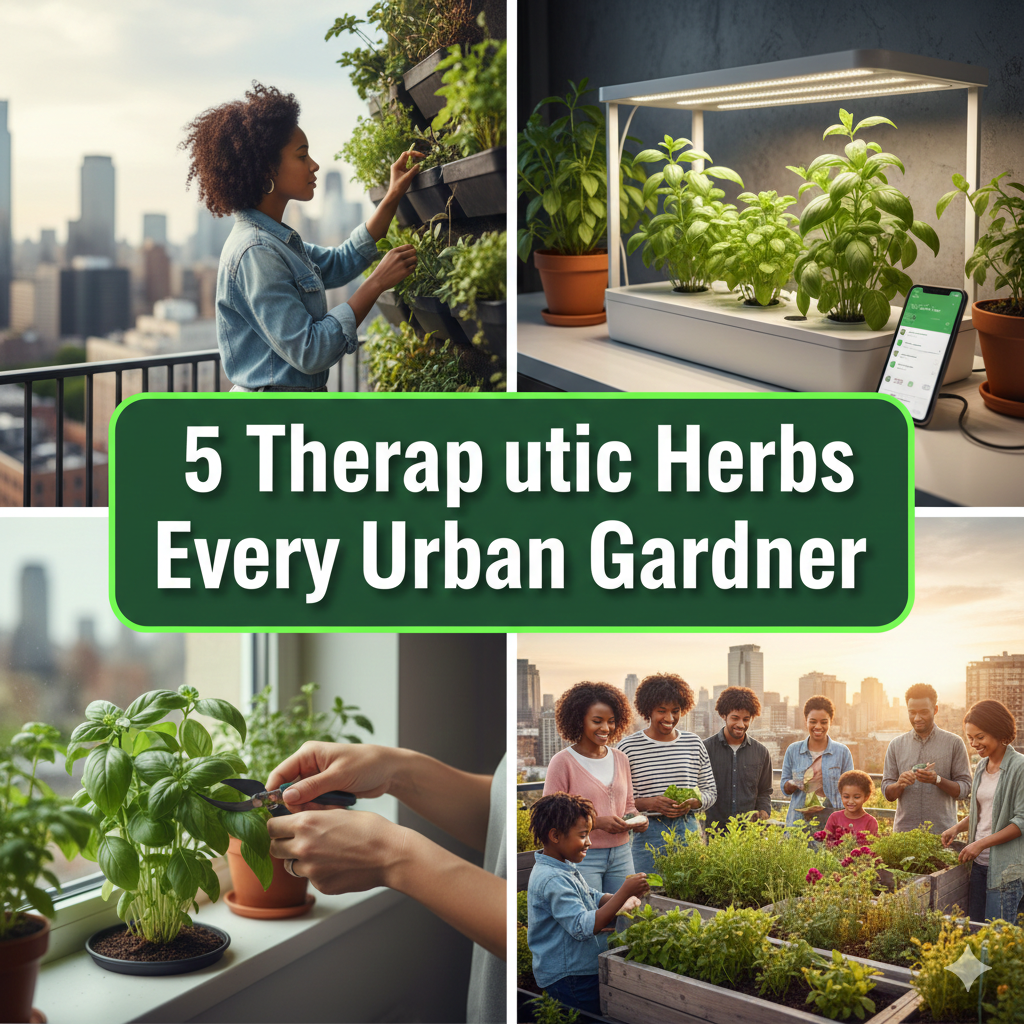
Have you ever wanted to pluck a natural remedy right from your windowsill? No pharmacy lines. No expensive supplements. A little pot, some dirt and a plant that really works.
And that is exactly what urban pharmacy gardening healing herbs allows.
Whether your house is a tiny apartment or a city condo, or even if you have just a little balcony outside — grow your own healing herbs. Tens of millions around the world are doing it right now. And the best part? These plants are more than decoration. They’ve been used for hundreds of years to address real issues of health.
This is a guide for five of the most potent, verified healing herbs you can plant in an urban environment. They will teach you the job of each herb, how to grow it, how to use it and why it should have a place in your home.
Let’s dig in.
Why City Dwellers Are Transforming Their Homes Into Mini Herb Gardens
Urban life is fast. Stress is high. Access to fresh, natural food isn’t always easy.
And that’s why urban pharmacy gardening healing herbs is such a big deal. Everyone wants more control over their health. They want natural options. And they want something that they can trust.
All three you get by growing your own medicinal herbs.
You know just what your plant was fed. No pesticides. No chemicals. No mystery ingredients. Just a living, breathing plant that you raised on your own.
Plus, it’s surprisingly easy. The majority of healing herbs are small, tough plants. They don’t take up a big footprint. They don’t need perfect conditions. You just need some sunlight, water and a bit of attention.
What Makes a Healing Herb “Urban-Friendly”?
Not all plants are suited to city growing. There are a few key qualities that make the best urban pharmacy gardening healing herbs:
| Quality | Why It Matters |
|---|---|
| Compact size | Takes up space on a windowsill, shelf or balcony |
| Low water needs | Easier to cope with in a hectic life |
| Fast growth | You’ll see benefits quickly |
| Multiple uses | One plant, many health benefits |
| Indoor-friendly | Doesn’t require outdoor soil or lots of direct sun |
Here are five herbs that fit the bill.
Herb #1 — Lavender: This Stress-Buster Smells Like a Dream
What Lavender Really Does for Your Body
Lavender is far more than just a lovely purple plant. It is among the most studied healing herbs on earth.
Research has indicated that lavender can decrease anxiety, increase quality of sleep and reduce heart rate during times of stress. One of the main reasons is a compound called linalool, known for its calming effect on the nervous system.
When you smell lavender, the aroma sends direct messages to your brain’s emotional center. It’s sort of an inherent “calm down” mechanism.
It’s also antimicrobial. That means it is capable of fighting off certain bacteria and fungi on the skin. Lavender oil can be used to clean and disinfect minor cuts, bug bites and skin irritation.
Tips for Growing Lavender in Your City Space
Lavender loves sunlight. Provide it with at least 6 hours of full sun every day — a south-facing windowsill is excellent.
It also hates wet roots. Use soil that drains well and a pot with holes in the bottom. Allow the soil to dry out between waterings. Lavender’s number one killer is overwatering.
Quick Growing Guide:
- Pot size: 8–12 inches wide
- Sunlight: 6+ hours daily
- Water: Every 7–10 days (less in winter)
- Soil: Well-draining sandy or gritty mix
- Harvest: Cut flower stems when they’re just about to open completely
How to Use Lavender for Medicinal Purposes
- For sleep: Put a small bundle by your pillow or include dried lavender in a sachet
- For stress: Place 3–4 drops of lavender essential oil in a diffuser
- For skin: Combine 2 drops of lavender oil with a teaspoon of coconut oil and apply over irritated skin
- For headaches: Apply diluted lavender oil to your temples
Herb #2 — Peppermint: The Tiny Pot That Packs a Digestive Punch
Why Peppermint Has Been Used for Thousands of Years
Peppermint has a long history of medicinal use, dating back to ancient Egypt. And modern science supports it.
Menthol is the primary active ingredient. Menthol eases muscles in the digestive tract. This is what makes peppermint tea so effective for bloating, gas, nausea and stomach cramps.
Research also suggests that peppermint can relieve tension headaches when rubbed on the skin. Its antiviral and antibacterial properties are another reason it’s one of the best healing herbs you can grow for an urban pharmacy garden.
It also wakes you up. The fresh and aromatic smell of peppermint helps enhance alertness as well as attention. This is why so many students have peppermint plants on their desks.
Peppermint Grows Like Crazy — Here’s What to Know
A word of warning: peppermint is relentless. In outdoor gardens, it spreads and conquers. But in containers? That’s exactly what you want. The pot keeps it in check.
Use a medium-size pot, and place it in partial to full sun. Peppermint prefers more moisture than lavender does, so don’t let it completely dry out.
Quick Growing Guide:
- Pot size: 10–14 inches wide
- Sunlight: 4–6 hours a day (partial shade is fine)
- Water: Keep soil consistently moist
- Soil: Rich, loamy mix
- Harvest: Regularly pinch off leaves to promote a bushy plant
How to Use Peppermint Daily: 3 Simple Ways
- Digestive issues: Steep 5–6 fresh leaves in hot water for 10 minutes. Drink as tea.
- Headaches: Mix peppermint oil with a carrier oil and rub on your forehead
- Stuffy nose: Breathe the steam from a bowl of hot water infused with several fresh peppermint leaves
- Focus boost: Just crush a leaf and smell it while studying or working
See All Five Herbs, Side by Side
Before we get into herbs three, four and five, here’s a simple reference chart so you can compare them all side by side:
| Herb | Main Health Benefit | Difficulty Level | Sunlight Needed | Best Use |
|---|---|---|---|---|
| Lavender | Stress & sleep | Easy | High | Aromatherapy, skin |
| Peppermint | Digestion & focus | Very Easy | Medium | Tea, topical |
| Aloe Vera | Skin healing & burns | Very Easy | Medium-High | Topical gel |
| Chamomile | Anxiety & inflammation | Moderate | High | Tea |
| Lemon Balm | Mood & sleep | Easy | Medium | Tea, tincture |
Herb #3 — Aloe Vera: The Little First Aid Kit You Can Grow Right on Your Shelf
Why Aloe Vera Should Be in Every Home
One of the best-known plants in the world is aloe vera — and for good reason.
The thick, fleshy leaves store a clear gel that’s loaded with more than 75 active compounds. These include vitamins A, C and E; enzymes; amino acids and anti-inflammatory substances.
Burn your hand on the stove? Aloe gel provides immediate cooling relief. Got sunburned after spending a rare day outside? Aloe soothes and speeds healing. Struggling with dry skin, eczema or little cuts? Aloe has you covered.
Some people also drink aloe juice (which contains only the inner gel) to relieve acid reflux symptoms and support digestive function.
The Best Low-Maintenance Urban Plant? Aloe Vera
Aloe is nearly impossible to kill — which makes it ideal for busy city dwellers.
It’s a succulent. It retains water in its leaves. So if you leave it for two weeks without watering, it will be just fine. In fact, overwatering is far more dangerous than underwatering.
Quick Growing Guide:
- Pot size: 6–10 inches wide (with drainage holes — this is key)
- Sunlight: 4–6 hours indirect or direct sunlight
- Water: Every 14–21 days during summer, less in winter
- Soil: Cactus or succulent mix
- Harvest: Cut one of the lower leaves close to the base, then cut it open to expose the gel
How to Use Aloe Vera at Home
- Burns and sunburn: Apply fresh gel directly to the affected area 2–3 times a day
- Skin moisturizer: Blend aloe gel with a few drops of your favorite essential oil
- Scalp treatment: Massage fresh aloe gel into the roots and leave on for 30 minutes before rinsing off
- Digestive support: Add 1–2 tablespoons of pure aloe gel (inner leaf only) to a smoothie
⚠️ Warning: Never consume the yellow latex layer that’s just beneath the skin of an aloe leaf. That portion can lead to serious digestive distress. Only use the clear inner gel.
Herb #4 — Chamomile: The Little Flower with BIG Healing Power
Why Chamomile Has the Ability to Calm You Down
Chamomile is one of the world’s gentlest and most beloved urban pharmacy gardening healing herbs.
It contains a compound called apigenin, which attaches to receptors in your brain much like some anti-anxiety medications do — but much more gently and without side effects.
This makes chamomile tea one of the best natural remedies for:
- Anxiety and nervousness
- Trouble falling asleep
- Stomach cramps and IBS symptoms
- Skin inflammation and redness
- Mild menstrual pain
It’s also anti-inflammatory and antioxidant-rich. Regular drinkers of chamomile tea frequently report improvements in digestion, skin clarity and sleep. According to research published by the National Institutes of Health, chamomile has demonstrated significant anti-anxiety and sleep-promoting effects in clinical studies.
Growing Chamomile in Containers
There are two kinds of chamomile — Roman and German. German chamomile is taller and the type most used for tea. Roman chamomile is shorter and a bit more ornamental.
Both grow well in containers.
Chamomile likes plenty of sun and consistent watering but does not want to sit in wet soil. It also tends to reseed itself, so once you manage to grow it, it likely will keep coming back year after year.
Quick Growing Guide:
- Pot size: 12 inches wide (chamomile roots go deep)
- Sunlight: 6+ hours daily
- Water: Once every 5–7 days; do not let it dry completely
- Soil: Well-draining, slightly sandy mix
- Harvest: Cut flowers when fully open and dry in a warm, airy place
How to Brew Chamomile Tea at Home
Nothing beats homegrown chamomile tea. Here’s how:
- Harvest 2–3 tablespoons of fresh chamomile flowers (or 1 tablespoon dried)
- Place in a cup or small teapot
- Pour boiling water over the flowers
- Steep for 5–7 minutes
- Strain and sip slowly
For sleep: drink 30 minutes before bed. For anxiety: drink 1–2 cups per day.
Herb #5 — Lemon Balm: The Long-Neglected Mood-Enhancing Herb You’ve Never Tried
Why Lemon Balm Deserves Way More Attention
Lemon balm is one of those herbs that doesn’t get much press. Lavender and chamomile are familiar to most. But lemon balm? Not as well known.
That’s a shame. Because lemon balm is super potent.
It’s an herb in the mint family. The leaves smell of fresh lemon with a slight minty undertone. The health benefits are significant:
- Cuts down anxiety: In just a few hours, studies show it can reduce stress markers in the body
- Boosts mood: It increases GABA activity in the brain — the same pathway affected by some anti-anxiety drugs
- Sharpens focus: Some studies show lemon balm may improve alertness and memory
- Aids sleep: Along with valerian root, lemon balm is one of the most potent natural sleep aids known
- Fights cold sores: Topical lemon balm cream has been found in some studies to help heal herpes simplex cold sores faster
If you want to explore more about growing and using lemon balm alongside other medicinal plants, The Herb Garden is a great resource packed with practical tips for home herb gardeners.
Growing Lemon Balm in a City Home
Lemon balm, like peppermint, spreads easily. Containers are the best way to keep it manageable.
It’s a tough, adaptable plant. It tolerates partial shade better than most herbs, so it’s ideal for apartments that don’t get full sun.
Quick Growing Guide:
- Pot size: 10–12 inches wide
- Sunlight: 4–6 hours (grows well in partial shade)
- Water: Every 5–7 days; likes consistent moisture
- Soil: Rich, well-draining potting mix
- Harvest: Regularly snip leaves and stems; this promotes new growth
Simple Ways to Use Lemon Balm Daily
- Mood tea: Steep a handful of fresh leaves in hot water for 10 minutes. Add honey.
- Tincture: Stuff a jar with lemon balm leaves and fill to the brim with vodka, seal, and let sit for 4–6 weeks. Take 1 teaspoon doses as needed.
- Topical: Brew strong tea, cool, and dab onto cold sores with a cotton ball
- Bath soak: Toss a bunch of lemon balm into a warm bath for a tension- and stress-relieving soak
Setting Up Your Urban Pharmacy Garden: A Beginner Setup
Ready to add healing herbs to your urban pharmacy garden? Here’s an easy setup that should work for most city homes:
The 5-Pot Starter Setup
What you need:
- 5 pots (varies per herb — see charts above)
- Good potting mix (cactus mix for aloe, regular mix for the others)
- A sunny windowsill, balcony shelf or grow light
- A small watering can
- Plant labels so you don’t confuse them
Monthly time investment: About 30–45 minutes per month per plant. That’s it.
A Simple Care Calendar
| Month | What to Do |
|---|---|
| March–April | Plant seeds or purchase starter plants; begin regular watering |
| May–June | Increase harvesting; move plants outdoors if possible |
| July–August | Peak growth; harvest regularly and dry herbs for winter use |
| September–October | Reduce watering and bring indoors when necessary |
| November–February | Minimal care; only water occasionally |
Make the Most of Your Healing Herb Garden: Tips & Tricks
Planting the plants is only half the battle. Here’s how to achieve optimal healing value:
Harvest in the morning. Essential oil content peaks immediately after the dew evaporates and before the midday heat.
Dry properly. Bundle the herbs in small bunches and hang upside down in a warm, dry, airy place for 1–2 weeks. Store in airtight glass jars, away from light.
Don’t overdo it. Natural does not equate to harmless in large doses. Begin with small amounts to see how your body will react.
Combine wisely. Chamomile and lemon balm complement each other nicely for sleep. For headache relief, peppermint and lavender are a good pair. Select whatever combination you need.
Urban Pharmacy Gardening Healing Herbs — FAQs
Q: Can I actually grow these herbs in a tiny apartment? Absolutely. All five of the herbs in this article do well in pots on windowsills, balconies or shelves. You don’t need outdoor space.
Q: Do I need special equipment such as grow lights? Not necessarily. Most of these herbs will do fine in a south- or west-facing window that receives 4–6 hours of sunlight. Grow lights are useful in winter or in very dark apartments, but not required.
Q: Are these herbs safe for kids? Generally yes, in mild amounts. Chamomile tea and peppermint tea are commonly given to children. That said, always check with a pediatrician before offering herbal remedies to young children, especially babies.
Q: If I’m on medication, can I take these herbs? Some herbs can affect the actions of medications. Lemon balm, for instance, may magnify the effects of sedative drugs. If you take prescription meds, always check with your doctor or pharmacist before adding herbal remedies into the mix.
Q: When will I be able to start harvesting? Most herbs can be lightly harvested within 6–8 weeks of planting. Chamomile takes longer because you’re waiting for flowers to form.
Q: Is growing my own herbs more cost-effective than buying supplements? Much cheaper. One packet of seeds or a starter plant costs only a few dollars, and will yield harvests for months — even years. Against the cost of supplements, that is considerable saving.
Q: Can I plant all five herbs in a single large pot? They’re better off in separate pots. They each have different watering needs and growth habits. If you mix them together, one plant can overshadow the others.
A Healing Garden That’s Within Reach
Urban pharmacy gardening healing herbs are not just a trend. They’re a revival of something humanity has practiced for millennia — diving into the natural world to sustain our bodies.
The difference now is that you can do it in your kitchen. On your balcony. In a nook of your living room.
Lavender calms your nerves. Peppermint settles your stomach. Aloe vera heals your skin. Chamomile eases your anxiety. Lemon balm lifts your mood.
Five plants. Countless benefits. And all of them just an arm’s length away.
Start small. Choose one or two herbs that align with your health needs. Find a pot, some dirt and a seedling. Put it somewhere sunny. Water it. Watch it grow.
Before you know it, you will have your own little urban pharmacy — quietly growing on your windowsill, ready to help whenever required.
This article is for informational purposes only and is not a substitute for professional medical advice. You should seek the advice of a qualified healthcare provider before using herbal remedies to treat health conditions.