
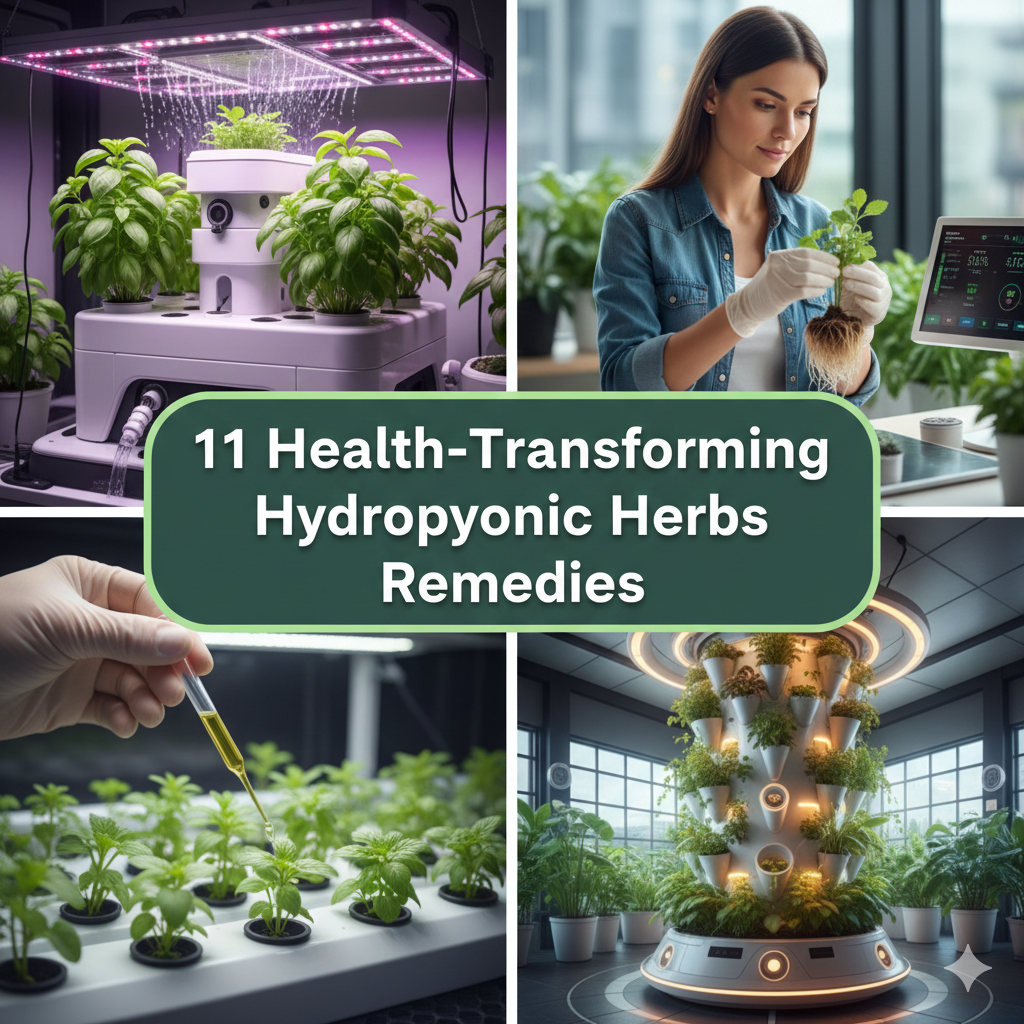
Have you ever considered growing your own medicine at home? That may not be as fanciful an idea as it sounds. You do not need any soil for hydroponic gardening, so you can grow healing herbs indoors, throughout the year!
Hydroponic herbs remedies are taking over for a very good reason. These herbs grow quicker, remain cleaner and may contain more nutrients than soil-grown plants. Whether you’re looking to cure a headache, resolve a digestion issue or ease your nerves, there’s probably a hydroponic herb that can assist.
In this article you’ll learn about 11 highly effective herbs that thrive in hydroponic systems and have genuine health benefits supported by tradition and science.
Why Grow Healing Herbs Hydroponically?
Before we dive into the herbs themselves, it’s useful to understand why hydroponics is a perfect fit for medicinal plants.
Hydroponic systems provide water, nutrients and oxygen directly to plant roots. Plants grow 50% faster than in soil. They also thwart soil-borne pests and diseases, making them safer for medicinal use.
Here’s a quick look at what makes hydroponic herbs stand out:
| Feature | Soil-Grown Herbs | Hydroponic Herbs |
|---|---|---|
| Growth Speed | Normal | Up to 50% faster |
| Pesticide Risk | Higher | Lower |
| Year-Round Growth | Limited | Yes |
| Nutrient Control | Difficult | Precise |
| Space Required | Large | Minimal |
| Water Usage | High | Up to 90% less |
You also know exactly what goes into your home hydroponically-grown herbs. No mystery chemicals. No contaminated soil. Just clean, fresh plants ready to heal.
1. Peppermint — The Universal Pain Reliever
One of the most popular hydroponic herbs remedies you can grow is peppermint. Its primary active ingredient is menthol, which creates that cool, tingly sensation.
What Peppermint Can Do for You
Peppermint employs multiple means of efficacy. It has a relaxing effect on the muscles of the digestive tract, relieving bloating, gas and stomach cramps. Peppermint tea can relieve indigestion in minutes.
It is also good for tension headaches. A few small studies show that applying diluted peppermint oil to your temples can relieve headache pain just as effectively as some over-the-counter medications.
Peppermint is a natural decongestant, too. Inhaling steam infused with fresh peppermint leaves has a way of clearing up a blocked nose quickly.
Growing Peppermint Hydroponically
Peppermint does well in deep water culture or NFT (Nutrient Film Technique) systems. It prefers somewhat cooler temperatures, around 65–70°F, and requires 14–16 hours of light every day.
2. Lavender — Nature’s Stress Buster
Lavender is well known for its soothing scent, but the plant’s healing superpower goes beyond aromatherapy.
How Lavender Heals
The chemicals in lavender, notably linalool and linalool acetate, interact with the nervous system to calm anxiety and promote sleep. Studies published in medical journals have found that lavender oil capsules can relieve generalized anxiety as well as some prescription drugs.
Drinking lavender tea made with fresh hydroponic lavender flowers aids sleep so you wake up feeling more rested.
It also offers antiseptic and anti-inflammatory effects. Using a small amount of lavender oil can help with the treatment of minor burns and insect bites by reducing swelling and preventing infection.
Growing Lavender Hydroponically
Lavender needs a lot of light — eight hours a day. It prefers ebb-and-flow systems. Make sure that the pH of your nutrient solution is in the range of 6.0 and 7.0 for optimal results.
3. Chamomile — The Soothing Sleep Booster
Chamomile is a natural remedy that has been used for thousands of years. Its small daisy-like flowers pack a potent healing punch.
The Real Benefits of Chamomile
The primary healing compound in chamomile is apigenin, an antioxidant that interacts with specific receptors in the brain. This process encourages relaxation and drowsiness but doesn’t lead to addiction.
Chamomile tea is one of the most common hydroponic herbs remedies for people suffering from insomnia or nighttime anxiety. Research indicates that individuals who consume chamomile extract fall asleep more quickly and awaken less frequently during the night.
In addition to sleep, chamomile calms gut inflammation. It may alleviate symptoms of irritable bowel syndrome (IBS), gastric ulcers and general gastrointestinal discomfort.
Growing Chamomile Hydroponically
Chamomile is well suited to kratky or NFT systems. It likes temperatures around 65°F and doesn’t require as much light as some of the other herbs, making it an excellent choice for novice gardeners.
4. Basil — Not Just a Pizza Herb
Most people regard basil as a cooking ingredient. But this aromatic herb is actually a potent medicinal plant rooted in ancient Ayurvedic medicine.
Basil’s Hidden Healing Power
Eugenol, rosmarinic acid and various essential oils in basil function as anti-inflammatory agents. These compounds can help alleviate inflammation and discomfort throughout the body.
Holy basil, or tulsi, is particularly good at reducing cortisol levels — the hormone that your body releases when you are under stress. Tulsi tea when drunk regularly can assist the body in adapting to physical and emotional stress.
Basil also possesses powerful antibacterial properties. Research has shown it can combat bacteria such as E. coli and Staphylococcus, making it helpful for supporting immune health.
Growing Basil Hydroponically
Basil is one of the easiest herbs to grow hydroponically. It adores warmth (70–80°F) and flourishes in virtually every type of hydroponic system, from basic kratky jars to complete NFT arrangements.
5. Rosemary — The Brain Booster
Rosemary is not just for roasting chicken. This woody, fragrant herb has been associated with memory and brain power for hundreds of years.
How Rosemary Supports the Brain
The scent of rosemary alone contains 1,8-cineole, a compound that studies have shown can make you faster and more accurate on mental tasks. Just sitting in a room with some fresh rosemary can boost your thinking.
As a tea or food additive, rosemary serves as an antioxidant that protects brain cells from damage. It also increases blood circulation — getting more oxygen to the brain.
Rosemary has also been used to relieve muscle pain, aid digestion and promote hair growth when applied topically in oil form.
Growing Rosemary Hydroponically
Rosemary grows slowly and consistently in hydroponic systems. It likes drier conditions, so don’t overwater it. An ebb-and-flow system works best. It requires 6–8 hours of light and prefers a temperature around 70°F.
6. Lemon Balm — The Mood Lifter
A member of the mint family, lemon balm has an invigorating, fresh citrusy scent. It is one of the most underrated hydroponic herbs remedies available.
Why You Should Grow Lemon Balm in Your Home Garden
Lemon balm contains rosmarinic acid, which inhibits an enzyme that breaks down GABA in the brain. GABA is a neurotransmitter that inhibits neural activity. Protecting GABA helps the body suppress anxiety and lift mood without any unpleasant side effects.
Several studies have shown that lemon balm decreases symptoms of anxiety, stress and mild depression. One study even found enhancing effects on mood and calmness within hours of taking a lemon balm supplement.
It’s also good for cold sores. Topical application of lemon balm cream or diluted fresh herb extract also accelerates healing of oral herpes outbreaks.
Growing Lemon Balm Hydroponically
Lemon balm grows aggressively and thrives in deep water culture systems. It enjoys moderate light and temperatures near 70°F. Pick regularly so it doesn’t grow too big.
7. Echinacea — The Immune System’s Best Friend
As cold and flu season approaches, echinacea is one of the first herbs to be called upon. And for good reason.
Echinacea’s Powerful Immune Support
Echinacea increases the production of white blood cells, the soldiers of your defense system. Studies show that taking echinacea as soon as a cold strikes can cut the duration of illness by up to 1.5 days and lessen severity.
It contains alkamides, glycoproteins and polysaccharides which all work together to ramp up immune activity. It is also anti-inflammatory, alleviating the swelling and congestion associated with upper respiratory infections.
Cultivating echinacea hydroponically allows you to have fresh material for teas, tinctures or steam inhalation — all useful on sick days.
Growing Echinacea Hydroponically
Echinacea is moderately more difficult to grow hydroponically than other herbs. It requires a pH of 6.0 to 7.0 and responds well to high-intensity grow lights. An ebb-and-flow or drip system works great for this herb.
8. Thyme — The Respiratory Healer
Thyme is an herb that transcends the kitchen. It has been used in Europe for centuries as an herbal treatment for coughs and upper respiratory infections.
How Thyme Clears Your Airways
Thyme is rich in thymol, an antimicrobial agent that fights bacteria and fungi. Thymol is even used in some commercial mouthwashes and antiseptic products.
When you brew thyme tea or breathe steam from hot water infused with thyme, volatile oils travel into your lungs and airways. There they loosen mucus, reduce inflammation and fight pathogens directly.
In a German clinical study, thyme syrup performed equally well as a prescription expectorant (medication that loosens phlegm) for acute bronchitis. That’s an impressive result for a simple kitchen herb.
Thyme also helps with oral health. Gargling with thyme tea is a natural breath freshener and mouth bacteria reducer.
Growing Thyme Hydroponically
Thyme loves light and warmth. It grows well in NFT or drip systems. Allow your plant to get a little dry between watering sessions. It likes a pH of 5.5 to 7.0 and thrives best at 70–75°F.
9. Ashwagandha — The Age-Old Stress Fighter
Ashwagandha is a pillar of Ayurvedic medicine and today stands as one of the world’s most studied adaptogenic herbs.
The Effects of Ashwagandha on Your Body
An adaptogen is an herb that enables your body to cope with stress better. Ashwagandha accomplishes this by regulating cortisol levels, soothing the nervous system and promoting the body’s return to balance following stressful situations.
Clinical trials found that ashwagandha lowers cortisol by up to 28%. Those who took ashwagandha supplements reported reduced stress, improved sleep and more energy during the day.
It likewise promotes thyroid function, boosts testosterone levels in men and may decrease blood sugar levels in individuals with diabetes or prediabetes.
Growing Ashwagandha Hydroponically
Ashwagandha is a warm-climate plant requiring temperatures above 65°F. It prefers to be grown in a drip system with a pH of 7.5 to 8.0, which is more alkaline than most herbs. It’s slower to mature than most hydroponic herbs — roughly 6 months — but the payoff is totally worth it.
10. Oregano — The Natural Antibiotic
Oregano is one of the most powerful healing herbs worldwide. Many people do not realize just how powerful it actually is.
Oregano’s Antibiotic-Like Properties
Oregano oil is rich in carvacrol and thymol — two compounds with potent antimicrobial properties. Research shows that these compounds can kill a broad spectrum of bacteria, including some antibiotic-resistant strains.
Oregano is also a strong antifungal. It has been researched for its action against Candida albicans, the fungus that causes yeast infections.
When used as a hydroponic herb remedy, oregano tea or honey-oregano infusion can help provide relief from sore throats, colds and even minor skin infections. It is also a powerful antioxidant — one of the highest-ranking herbs in antioxidant content by weight.
Growing Oregano Hydroponically
Oregano loves sun and does very well under strong grow lights. It works great in NFT or wick systems. Harvest often to promote a bushy habit. The more you trim it, the more it produces.
11. Valerian — The Deep Sleep Herb
Valerian is not as widely known as some other herbs on this list, but it is one of the most effective natural remedies for sleep disorders.
How Valerian Knocks Out Insomnia
Valerian root contains valerenic acid, which boosts the amount of GABA available in the brain. This effect soothes mental activity and makes it easier to slip into deep, restful sleep.
Studies demonstrate that those who take valerian fall asleep faster, experience less nighttime waking and feel more refreshed in the morning. Unlike prescription sleep aids, valerian won’t leave you feeling groggy the next day.
It can also be used to lessen nervous tension, relieve menstrual cramps and lower blood pressure caused by anxiety.
Growing Valerian Hydroponically
Valerian is a tall plant and needs good vertical space. It thrives in drip or ebb-and-flow systems with a pH ranging from 5.5 to 7.0. It likes cooler temperatures around 65°F. The root is the most medicinal part, so plan to harvest once the plant has matured at about 4–6 months.
Quick Reference Chart — 11 Hydroponic Herbs and Their Key Benefits
| Herb | Key Benefit | Best Use | System Type |
|---|---|---|---|
| Peppermint | Digestion, headaches | Tea, steam inhalation | DWC, NFT |
| Lavender | Anxiety, sleep, skin | Tea, oil infusion | Ebb-and-flow |
| Chamomile | Sleep, gut health | Tea | Kratky, NFT |
| Basil | Stress, immunity | Tea, fresh leaves | Any system |
| Rosemary | Brain, circulation | Tea, aromatherapy | Ebb-and-flow |
| Lemon Balm | Mood, cold sores | Tea, topical | DWC |
| Echinacea | Immune boost | Tea, tincture | Drip, ebb-and-flow |
| Thyme | Respiratory health | Tea, steam | NFT, drip |
| Ashwagandha | Stress, hormones | Powder, capsule | Drip system |
| Oregano | Antibacterial | Tea, oil, honey | NFT, wick |
| Valerian | Deep sleep | Tea, tincture | Drip, ebb-and-flow |
Simple Ways to Use Your Hydroponic Herbs at Home
Growing the herbs is just one part of the journey. It’s equally vital to know how to use them correctly. For more herb growing tips and guides, visit The Herb Garden — a great resource for herb enthusiasts at every level.
Making Herbal Tea
The simplest way to use hydroponic herbs remedies is through fresh herbal tea. Use about 1–2 tablespoons of fresh leaves per cup of hot water. Let steep for 5–10 minutes, strain and drink. You can add honey if you need to sweeten it.
Creating Herbal Steam
Boil a pot of water, toss in a large handful of fresh herbs (thyme, peppermint or eucalyptus work great) and set your head over the pot with a towel draped over your head. Breathe in the steam for 5–10 minutes. This is very effective against sinus congestion and respiratory infections.
Infusing Herbs in Oil
Pack a jar with fresh herb leaves and cover entirely with a carrier oil like olive oil or coconut oil. Then, place it somewhere warm and sunny for 2–4 weeks. Strain the plant material out and use the oil for skin conditions, sore muscles or scalp massage.
Drying and Storing
If you harvest more than you can use fresh, dry your hydroponic herbs by tying bunches upside down in a well-ventilated area. When dry, crumble into airtight jars away from sunlight. Dried herbs retain potency for up to a year.
Safety Tips You Should Never Ignore
Natural remedies can also have side effects or interact with medications. Before you start diving into these hydroponic herbs remedies, here are a few things to consider.
Always start with small quantities to see how your body reacts. Herbs such as valerian and ashwagandha may cause drowsiness, so don’t drive after using them. Most medicinal herbs are not safe for pregnant women without professional guidance. People with autoimmune conditions shouldn’t use echinacea without the guidance of a professional. If you take prescription medications, consult a healthcare provider before introducing herbal remedies into your regimen.
According to the National Institutes of Health’s National Center for Complementary and Integrative Health, many herbal remedies have real scientific backing, but it’s always wise to consult a professional before starting any new wellness routine.
FAQs About Hydroponic Herbs Remedies
Q: Are hydroponic herbs as medicinal as soil-grown herbs? Yes. Hydroponic herbs can be even more potent in many instances because you control exactly what nutrients they are getting. With no soil contaminants or pests to deal with, the plants can put all their energy into producing beneficial compounds.
Q: For medicinal use, what is the easiest hydroponic herb to start with? Peppermint and basil are both great places to start. They grow quickly, are nearly impossible to kill and have many health benefits. They do well in standard kratky jars or basic DWC setups.
Q: Is it safe for kids to take hydroponic herbal remedies? Certain herbs, such as chamomile and ginger, are safe in small amounts for children. But stronger herbs such as valerian and ashwagandha are typically not recommended for children. Always consult a pediatrician first.
Q: How soon can I start harvesting hydroponic herbs for medicinal use? Fast-growing herbs such as peppermint, basil and lemon balm are ready to harvest within 3–6 weeks. Slower herbs such as echinacea, valerian and ashwagandha can take months to reach their full potency.
Q: Will I need special equipment to grow medicinal herbs hydroponically? Not necessarily. For beginners, a simple kratky jar, net pot, growing medium (like hydroton or rockwool), basic nutrient solution and a grow light will suffice. Overall startup cost for a beginner setup can be below $50.
Q: Can I use tap water in my hydroponic herb system? Tap water is fine, but can contain chlorine or fluoride that might be harmful to plant health. For best results, use filtered or reverse osmosis water, or let tap water stand uncovered overnight to allow the chlorine to dissipate.
Q: How frequently do I change the water in my hydroponic system? Replace your nutrient solution every 1–2 weeks for most systems. Add plain water between renewals to keep levels up. Check pH before adding new nutrients.
Bringing It All Together
Hydroponic herbs remedies are one of the best hands-on, affordable and empowering ways to be in control of your own health. You don’t need a sprawling yard, expensive gear or even a green thumb. You just require a small space, some essential materials and the motivation to learn.
All 11 herbs mentioned here are completely unique in what they offer. Peppermint clears the head and calms the stomach. Lavender melts away stress. Chamomile glides you softly to sleep. Rosemary sharpens your thinking. Echinacea wards off illness before it takes hold.
When you grow these herbs yourself — clean, fresh and chemical-free — their healing power is at its highest. That matters whether you’re brewing a basic cup of tea or developing a complete herbal wellness regimen.
Start small. Choose one or two herbs from this list that align with a health goal you currently have. Establish a basic system, care for your plants and watch both your garden and your wellbeing grow together.
Nature has always known the answer. Hydroponics simply makes them a little easier to access.