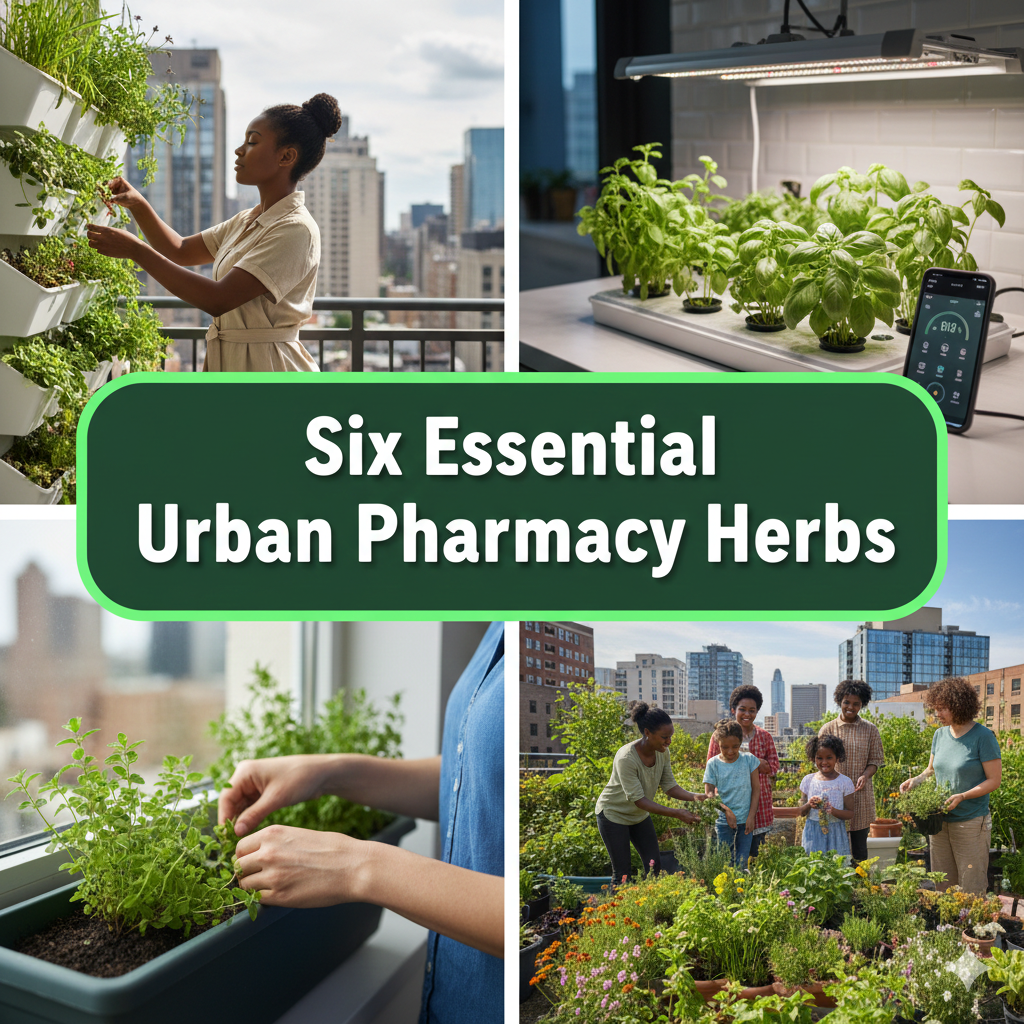
Picture a mini pharmacy growing on your windowsill, balcony, or kitchen counter. No prescriptions. No long drives to the store. Just strong, lively plants eager to lend you a hand in finding a natural way to healing.
And that’s what urban pharmacy gardening herbs can do for you.
More and more urbanites are planting herb gardens not only to cook, but for health. For thousands of years these plants have been used to treat headaches, quell anxiety, combat infections and enhance immunity. The best part? You don’t have to have a big backyard or a green thumb to grow them.
In this guide, you will learn about the 6 top medicinal herbs to grow in an urban garden, tips for growing herbs in small spaces, and how to use them for daily wellness. No matter whether you call a studio apartment or townhouse home, this guide is for you.
Let’s dig in.
Why City Dwellers Are Returning to Nature’s Medicine Cabinet
Modern life is fast. Stress, pollution, processed food, and screen time wear on our bodies. People want simple, natural ways to care for themselves — and herbs are returning with a vengeance.
Urban pharmacy gardening herbs are homegrown plants used as food and medicine. They are affordable, sustainable, and surprisingly simple to care for indoors or on a small balcony.
Here’s why they’re trending:
- They save money on herbal supplements and teas
- They’re fresher and more powerful than store-bought dried herbs
- They reduce your environmental footprint
- They link you to a centuries-old tradition of healing
- They make your home smell heavenly
Now let’s meet the six stars of your own personal urban herb pharmacy.
1. Basil — The Anti-Inflammatory Superstar
Not Just a Pizza Topping
Most of us know basil through Italian cooking. But it’s also a potent natural medicine. It is a member of the mint family and rich with antioxidants, anti-inflammatory compounds, and essential oils that will benefit your health in unexpected ways.
Ayurvedic medicine (traditional Indian healing) has used basil for thousands of years. Tulsi, or holy basil, is particularly prized for stress relief and immune support.
What Basil Can Do for You
| Health Benefit | How It Helps |
|---|---|
| Reduces inflammation | Contains the compound eugenol, which inhibits inflammatory enzymes |
| Fights bacteria | Natural antibacterial properties assist with fighting infections |
| Supports digestion | Alleviates bloating and stomach cramps |
| Relieves stress | Adaptogenic qualities soothe the nervous system |
| Rich in antioxidants | Guards cells against damage |
How to Grow Basil in a Small Space
Basil is probably one of the simplest herbs to grow in an urban pharmacy garden. It loves warmth and sunlight.
What you need:
- Drainage hole-equipped 6-inch pot
- Rich, well-draining potting soil
- A bright windowsill (6 hours or more of light per day)
- Water every 1–2 days when the top inch of soil feels dry
Pro tip: As soon as flower buds appear, pinch them off. This allows your basil to stay bushy and flavorful for longer.
How to Use It
- Make an herbal tea with 5–6 fresh leaves in hot water
- Add raw leaves to salads and dishes daily for anti-inflammatory benefits
- Crush leaves and inhale the scent to relieve headaches
- Use alcohol to make a simple basil tincture for concentrated health benefits
2. Lavender — Nature’s Antistress Agent
The Calming Purple Wonder
Lavender is one of the most beloved urban pharmacy gardening herbs on earth. Just its scent can slow your heart rate and decrease cortisol (the stress hormone). It has been used in Europe for hundreds of years to treat conditions like anxiety, insomnia, and skin ailments.
Even modern science confirms it. Research indicates that lavender aromatherapy helps decrease anxiety prior to medical procedures. That’s powerful stuff.
Lavender’s Healing Benefits at a Glance
- Relief from anxiety and stress — The aroma stimulates soothing brain signals
- Better sleep — Keeping dried lavender close to your pillow increases sleep quality
- Headache relief — 15 minutes of inhaling lavender oil lessens migraine pain
- Skin healing — Antimicrobial and anti-inflammatory for minor burns and bug bites
- Digestive aid — Lavender tea eases nausea and indigestion
How to Grow Lavender on a Balcony or Windowsill
Lavender is a Mediterranean plant. It loves sun, dry conditions, and good airflow. In fact, it does best when you slightly neglect it — overwatering is its archenemy.
Best conditions:
- Opt for a terracotta pot (it dries out more quickly, which lavender loves)
- Use sandy or gritty potting mix
- Provide it with full sun — 6 to 8 hours a day
- Only water when the soil is fully dry
- Trim lightly after flowering to maintain compactness
Best varieties for indoors: Hidcote, Munstead, or French Lavender (Lavandula dentata)
Simple Ways to Use Lavender at Home
- Hang a small bundle in your bedroom to support sleep
- Steep dried flowers in hot water for a calming bedtime tea
- Combine a few drops of lavender essential oil with coconut oil for a skin-soothing balm
- Place dried sachets in drawers to naturally ward off moths and insects
3. Peppermint — The Quick Pick-Me-Up Herb
Cool, Fresh, and Powerfully Medicinal
Peppermint is the herb you want when a headache strikes, your stomach’s acting up, or you need an instant energy boost. It contains menthol — a natural compound that delivers that signature cooling sensation and fuels much of peppermint’s medicinal punch.
Peppermint is one of the most versatile herbs to have in your urban pharmacy garden. It works for everything from digestion to respiratory support.
Peppermint’s Health Powers
| Condition | Peppermint’s Role |
|---|---|
| Tension headaches | Apply diluted peppermint oil to temples |
| Nausea | Inhale the scent or sip peppermint tea |
| IBS and bloating | Relaxes intestinal muscles to ease pain |
| Nasal congestion | Steam inhalation clears airways |
| Mental fatigue | The scent boosts alertness and focus |
| Muscle soreness | Topical application cools and soothes |
Peppermint Is a Spreader — So Contain It
One very important thing about peppermint: it spreads aggressively. It will take over everything in a garden bed. But in a container? It’s perfectly behaved.
Growing tips:
- Always grow in its own pot — never mix with other herbs
- Use a wide, shallow container (peppermint spreads sideways)
- Keep soil consistently moist but never soggy
- It tolerates partial shade — it needs less sun than basil or lavender
- Harvest regularly to promote bushy, full growth
Bonus: Peppermint naturally repels ants, spiders, and mice. Place a pot near your kitchen door.
How to Use Peppermint
- Make peppermint tea with 10 fresh leaves steeped for 5 minutes — ideal after meals
- Crush a leaf and apply it to your temples for instant headache relief
- Lay leaves on your shower floor — the steam releases the menthol for a spa-like experience
- Dry and store leaves for winter teas and remedies
4. Chamomile — The Gentle Warrior of Healing Herbs
Small Flowers, Enormous Benefits
Chamomile looks as delicate as it sounds — tiny white and yellow daisy-like blossoms. But don’t let that fool you. This herb dates back to ancient Egypt and has been used medicinally for over 5,000 years. It’s one of the most studied urban pharmacy gardening herbs worldwide.
Its healing properties come from a compound called apigenin, which binds to receptors in the brain that encourage relaxation and sleep.
What Chamomile Treats
- Insomnia — One of the most reliable natural sleep aids available
- Anxiety — Decreases generalized anxiety disorder symptoms over time
- Inflammation — Topically calms eczema, rashes, and irritated skin
- Digestive problems — Eases gas, cramping, and upset stomach
- Colds and flu — Steam inhalation with chamomile helps relieve congestion
- Wound healing — Antimicrobial properties allow minor cuts to heal more quickly
Growing Chamomile in Containers
The two varieties you usually come across are German chamomile (annual, tall) and Roman chamomile (perennial, low). For urban spaces, Roman chamomile is ideal for pots and works like a ground cover on balconies.
Care guide:
- Use lightweight, well-draining potting mix
- Best in full sun to light shade
- Water moderately — allow the top inch to dry out between waterings
- Harvest flowers when they’re in full bloom for maximum potency
- Let some plants self-seed for a never-ending supply
Using Chamomile Every Day
- Steep 2 teaspoons of dried flowers in hot water for 5 minutes — the classic nighttime tea
- Soak a cloth in chamomile tea to make a compress for skin irritations
- Add flowers to a warm bath for a full-body relaxer
- Combine with honey and lemon for a cold-season wellness tonic
5. Rosemary — The Thinker and Circulation Herb
Sharp Mind, Strong Body
Rosemary is associated with memory and mental clarity — and there’s good science behind it. Research shows that the scent of rosemary alone can increase speed and accuracy in mental tasks. It contains rosmarinic acid and carnosic acid, which protect brain cells from damage.
But rosemary is also a circulatory herb, aiding blood flow and reinforcing the cardiovascular system. Of all the urban pharmacy gardening herbs, rosemary most definitely earns its brain-power reputation.
Rosemary’s Health Benefits
| Benefit | Details |
|---|---|
| Memory and focus | Helps your brain perform better and improves recall |
| Hair growth | Rivals minoxidil in some studies |
| Anti-inflammatory | Reduces inflammation connected with chronic disease |
| Digestive aid | Increases bile secretion for better fat digestion |
| Antimicrobial | Effective against several bacterial strains |
| Circulation booster | Improves blood flow to extremities and scalp |
Growing Rosemary Like a Pro
Rosemary is a Mediterranean shrub. It’s drought-tolerant, sun-loving, and can survive in a container for years if well cared for. It’s one of the more permanent urban pharmacy gardening herbs you can invest in.
Growing tips:
- Use a deep pot (rosemary roots like to go deep)
- Good drainage is vital — soggy roots will kill it
- 6 hours or more of direct sunlight per day
- Water deeply but infrequently — let the soil dry out completely
- Prune after flowering to maintain a compact shape
Varieties for small spaces: Rosmarinus officinalis ‘Prostratus’ (trailing) is ideal for hanging containers or balcony ledges.
How to Use Rosemary for Health
- Steep 2 sprigs in hot water for a circulation-boosting herbal tea
- Massage rosemary-infused oil into your scalp 2–3 times per week for hair growth
- Inhale the scent while studying or working for mental clarity
- Add to meals regularly — cooking doesn’t diminish its antioxidant properties
6. Lemon Balm — The Mood-Boosting Herb You’ve Never Tried
The Hidden Gem of Urban Herb Gardens
Lemon balm (Melissa officinalis) is nowhere near as popular or well known as the rest of the herbs on this list. But it deserves a proud place in every urban pharmacy garden. It smells like fresh lemon, grows easily in containers, and serves beautifully as both a mood booster and digestive aid.
It is a member of the mint family and has been used since the Middle Ages to relieve anxiety, enhance mood, and sharpen memory. If you’re just starting out, The Herb Garden is a fantastic resource for beginners looking to explore medicinal herb growing at home.
Lemon Balm’s Incredible Range of Uses
- Anxiety relief — Trials have demonstrated it alleviates anxiety effectively
- Cold sore treatment — Topical lemon balm cream speeds up cold sore healing
- Better sleep — Particularly effective when used alongside valerian
- Mood boost — Calms the mind and reduces irritability
- Cognitive performance — Enhances memory and problem-solving
- Digestive calm — Relief from bloating, gas, and stomach cramps
The Easiest Herb to Grow Indoors
Of all the urban pharmacy gardening herbs, lemon balm is among the most forgiving. It tolerates lower light than most herbs, rebounds well from underwatering, and grows with enthusiasm once established.
Care tips:
- Thrives in medium to bright indirect light
- Keep soil evenly moist — it tolerates more water than lavender or rosemary
- Harvest frequently so it doesn’t get leggy
- It can get large — prune regularly or divide the plant
- Like mint, it’s best kept in its own container
Simple Lemon Balm Remedies
- Fresh leaf tea: steep a handful of leaves for 10 minutes — sweet, lemony, and calming
- Blend into smoothies for an uplifting morning drink
- Apply cooled lemon balm tea with a cotton ball directly to cold sores
- Combine with chamomile for a powerful sleep and anxiety tea blend
Herb Care Comparison — Quick Reference Chart
| Herb | Light Needed | Watering | Container Size | Best For |
|---|---|---|---|---|
| Basil | Full sun (6+ hrs) | Every 1–2 days | 6-inch pot | Inflammation, digestion |
| Lavender | Full sun (6–8 hrs) | When soil is dry | 8–10 inch terracotta | Stress, sleep, skin |
| Peppermint | Partial to full sun | Keep moist | Wide, shallow pot | Headaches, nausea, IBS |
| Chamomile | Full sun/light shade | Moderate | 6–8 inch pot | Sleep, anxiety, skin |
| Rosemary | Full sun (6+ hrs) | Infrequent, deep | Deep pot (10+ inch) | Brain, hair, circulation |
| Lemon Balm | Medium/bright indirect | Evenly moist | 8-inch pot | Mood, digestion, cold sores |
Setting Up Your Urban Herb Pharmacy — How to Get Started
You Don’t Need Much Space
All six of these herbs can live on a sunny windowsill, a small balcony, or even a grow-light setup in a corner. Group pots together to create a mini herb garden that looks beautiful and works hard for your health.
Starter setup ideas:
- Window box: Basil, chamomile, lemon balm (similar water needs)
- Dry balcony cluster: Lavender and rosemary (drought-tolerant pair)
- Separate pots: Peppermint and lemon balm (both spread aggressively)
Tools You’ll Actually Need
You don’t need expensive equipment. Here’s a simple starter list:
- Small watering can with a thin spout
- Potting mix (general and a sandy mix for lavender/rosemary)
- A set of 6–10 inch pots with drainage holes
- Basic pruning scissors
- A grow light (optional, but great for low-light apartments)
Harvesting for Maximum Potency
Harvest herbs only in the morning, once the dew has dried but before the midday heat. This is when essential oils are most concentrated — meaning more flavor and more medicine.
According to the University of Maryland Medical Center’s herb research, harvesting at the right time significantly affects the potency of medicinal compounds in herbs.
Pinch from the top, not the bottom. This encourages the plant to bush out rather than grow tall and thin. Never harvest more than one-third of the plant at any single time.
FAQs About Urban Pharmacy Gardening Herbs
Q: Can I really grow medicinal herbs indoors year-round? Yes! Most of these herbs thrive indoors as long as they receive adequate light. A south-facing window is ideal. In winter, supplement with a simple LED grow light for 12–14 hours every day.
Q: Are homegrown herbs as powerful as supplements or store-bought dried versions? Fresh herbs grown at home can pack much more of a punch than the dried version you buy at the store — the organic compounds that lend flavor and health benefits can lose potency over time. The secret is to use them fresh, or dry them properly immediately after harvesting.
Q: How do I dry and store herbs properly? Tie small bunches and hang upside down in a dry, dark, well-ventilated place for 1–2 weeks. When dry, crumble into airtight glass jars. Store away from heat and direct light. Dried herbs usually retain potency for 6–12 months.
Q: Is it safe to use homegrown herbs medicinally without seeing a doctor? These herbs are considered safe for healthy adults when used in food and tea-sized doses. But if you’re pregnant, nursing, taking medications, or have a serious health condition, check with a healthcare provider before using herbs medicinally.
Q: Which herb is best for beginners? Peppermint and lemon balm are the easiest ones to begin with — they’re practically indestructible, grow quickly, and offer immediate, visible benefits.
Q: Can I plant all six herbs together in one big container? It’s not recommended. These herbs vary in their water and light requirements. Mixing them can cause some to flourish while others struggle. Use separate pots, or group only herbs with similar care needs.
Q: How much do I need to use to see health benefits? Consistency matters more than quantity. A daily cup of herbal tea or frequent use of fresh herbs in your meals will pay off more over time than occasional large doses.
Final Thoughts — Let the Making of Your Healing Garden Begin
Urban pharmacy gardening herbs are not a trend. They’re a revival of something ancient and potent — the belief that nature gives us what our bodies need, and that we can grow that medicine ourselves, even in the middle of a city.
You don’t need acres of land. You don’t need years of experience. All you need is a pot, some soil, a little sunlight, and the desire to begin.
Choose one herb from this list that resonates with you. Perhaps it’s lavender because you have trouble sleeping. Perhaps it’s peppermint because you need support for your digestion. Or perhaps it’s rosemary because you’re looking to sharpen your focus.
Plant it. Tend to it. Use it.
Then add another. And another. Soon enough, you’ll have a thriving urban herb pharmacy that nourishes your body, lifts your spirits, and brings a little green life into your everyday world.
Your urban pharmacy garden is waiting. All you have to do is begin.