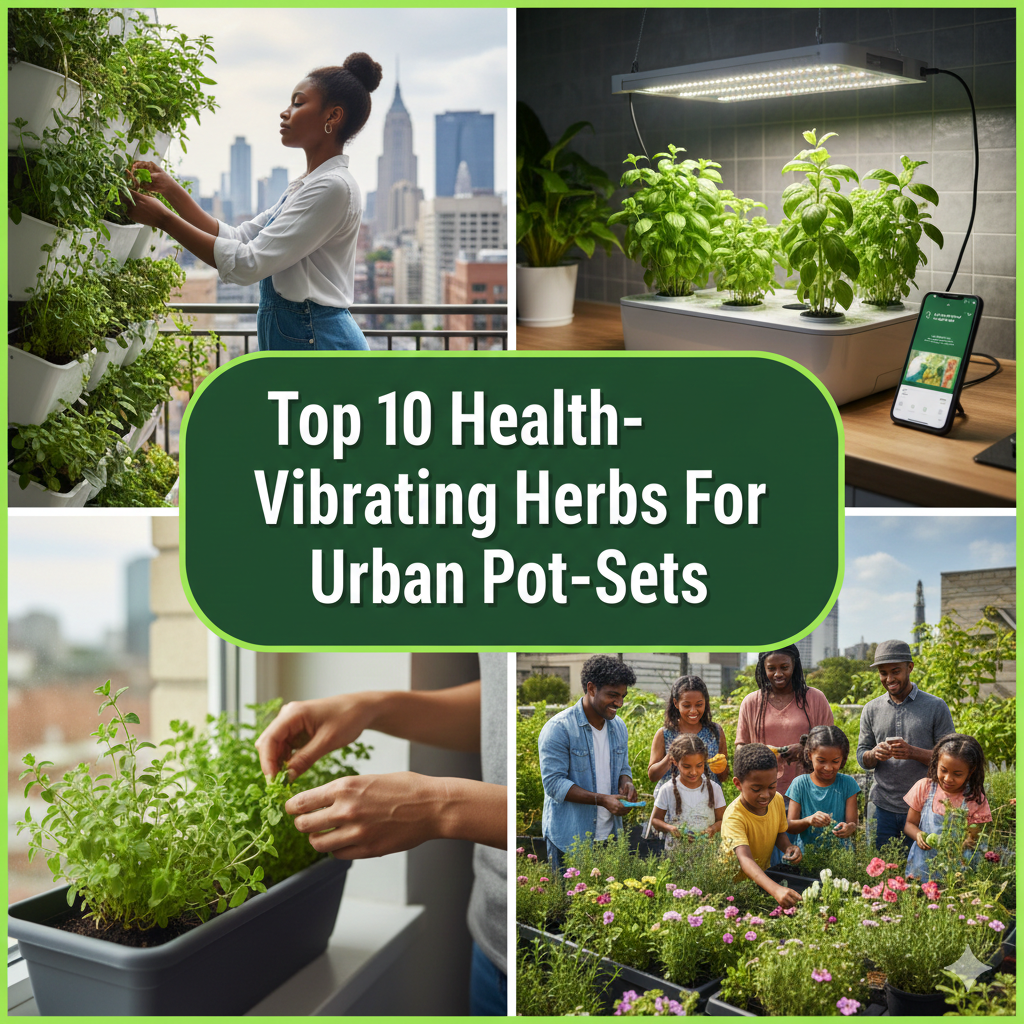
You don’t need a farm. You do not need a large backyard. A few pots, some sunlight and the right seeds.
Pharmacology is being transformed by urban gardening at the same time people living in cities re-evaluate their understanding of health. Rather than running to the drugstore for every minor headache or upset stomach, thousands of people are cultivating their own herbal remedies — in their windowsills, on their balconies and rooftops.
This isn’t some fad that’s fallen out of favor. And it’s returning stronger than ever. We want to know what we’re putting into our bodies. They want natural options. And they want the gratification of growing something with their own hands.
In this article, you will meet 10 of the most powerful urban herbs that grow great in small places. All of them offer genuine health benefits supported by traditional wisdom and contemporary research. By the end, you’ll know what to plant (and how) — and how to use it.
Let’s dig in.
Why Urbanites Are Going to Herb Gardens for Health
Healthcare costs are rising. Stress has reached unprecedented levels. And as a result more people are hoping for simple, natural ways to feel better without side effects.
Urban pharmacy gardening herbs offers you that option. A pot of peppermint sitting on your kitchen counter can ease a stomachache. A few lavender plants on your balcony can help you sleep soundly at night. These aren’t myths — they’re results that people have experienced for thousands of years.
Raising herbs in the city also saves cash. One basil plant costs a dollar or two and keeps producing for months. Vs. buying fresh basil at the grocery store each week.
And something that I think people don’t talk about enough: gardening is good for your mental health. Research indicates that time spent with plants decreases cortisol, the stress hormone. So simply tending to your little herb garden has healing capabilities of its own.
The Pharmacy-Grade Power of an Herb — What Is It?
You don’t grow every plant you have with medicinal value. This list contains herbs that were chosen based on three factors:
- Well-established health benefits — traditional use supported by scientific studies
- Easy to container grow — ideal for apartments, balconies and small spaces
- Available everywhere — seeds or starter plants can be found at most garden centers
Just think of every herb as its own little pharmacy in a pot. Let’s explore all ten.
1. Peppermint — The All-Purpose Soother
What It Does for Your Body
One of the most multivalent herbs for your urban pharmacy gardening is peppermint. It has menthol, a natural compound that relaxes muscles, clears sinuses and soothes digestive distress.
Got a headache? Roll a peppermint leaf between your fingers then inhale. Bloated after a big meal? Brew a cup of peppermint tea. It even aids with nausea, making it perfect for people facing motion sickness.
How to Grow It in the City
Peppermint loves containers. In fact, it grows with such zeal that most gardeners only keep it in pots so it doesn’t take over.
Give it:
- A large pot (at least 12 inches wide)
- Partial to full sun (4–6 hours of sun per day)
- Watering regularly — keep soil moist but not waterlogged
One pro tip: peppermint is invasive. Leave it in its own pot, and it will do well without crowding other herbs.
2. Lavender — The Natural Sedative and Stress Reliever
The Calming Power of Purple
Lavender is known for its fragrance. Its advantages, however, extend well beyond smelling good. This herb includes linalool, which calms anxiety and helps with deep, full rest.
Studies on aromatherapy indicate that inhaling lavender oil before bed aids individuals in falling asleep more quickly and waking up more refreshed. You don’t even have to produce anything — just brush the leaves off before going to bed, and breathe deep.
Lavender also possesses slight antiseptic qualities. Minor cuts and bug bites? One crushed lavender leaf can help.
Growing Lavender on a Balcony
Lavender works wonderfully in urban settings. It thrives in the sun and, in fact, likes dry conditions, so it is low-maintenance.
| Condition | What Lavender Likes |
|---|---|
| Sunlight | Full sun (6+ hours/day) |
| Watering | Once a week, less in winter |
| Soil | Well-draining, sandy or loamy |
| Container Size | At least 12–16 inches |
It also attracts bees and other pollinators, so bonus if you’re growing other plants in the area.
3. Chamomile — The Gentle Goddess of Herbal Teas
Not Just a Pre-Bedtime Beverage
Chamomile tea is the number one most popular herbal tea in the world for a good reason. This dainty little flower is full of antioxidants, one of which, apigenin, binds to brain receptors and may relieve anxiety and insomnia.
In addition to relaxation, chamomile is excellent for:
- Easing menstrual cramps
- Calming inflamed skin (as a rinse or compress)
- Calming an upset stomach
- Reducing mild inflammation
Chamomile in Your Urban Garden
German chamomile is the type most used for herbal remedies. It reaches about 24 inches high, and will do so in little daisy-like blooms.
It likes cooler weather, so it is an excellent choice for spring and fall growing in most cities. A 10-inch pot next to a sunny window works just fine.
4. Aloe Vera — The Burn Healer You Never Knew You Needed
A Succulent With Serious Skills
Aloe vera is not just for sunburns. This spiny, succulent plant is loaded with a gel comprised of more than 75 active compounds — vitamins, minerals, amino acids and enzymes.
People use aloe vera for:
- Burns and minor wounds
- Dry or irritated skin
- Acid reflux relief (aloe juice)
- Boosting the immune system
The gel contained in the leaves is clear, cooling and absorbs into the skin almost instantly.
Why It’s Ideal for City Growing
In fact, aloe vera might be the easiest herb on this list to grow. It:
- Requires very low watering (water once every 2–3 weeks)
- Prefers indirect or direct sunlight
- Doesn’t take up much room on any windowsill
Just don’t overwater it. That’s the only real mistake people make with aloe.
5. Rosemary — The Herb That Gives You a Memory Boost and Also Tastes Awesome
A Kitchen Herb That’s Also Been Shown to Help the Brain
Rosemary is one of those herbs that do double duty in urban pharmacy gardening. It’s a mainstay in cooking, but it boasts surprising health benefits.
In fact, just the smell of rosemary can enhance memory and concentration, researchers have found. In one study, individuals in a rosemary-scented room performed better on memory tests than those in an unscented one.
Rosemary also:
- Improves circulation
- Has anti-inflammatory properties
- Promotes hair growth when used as a rinse for the scalp
- Serves as a very gentle antimicrobial agent
Urban Growing Tips
Rosemary loves heat and sunlight. It is a Mediterranean plant, so the warmer and drier conditions the better — like a sunny apartment balcony.
Use a terracotta pot for good drainage, place it in 6–8 hours of direct sun and only water it when the top inch of soil is dry. With the proper care, a single rosemary plant can thrive for years.
6. Tulsi (Holy Basil) — Elixir of Health
What Sets Tulsi Apart From Regular Basil?
You may already grow sweet basil, but tulsi — also known as holy basil — is something else entirely. An integral part of Ayurvedic medicine for more than 3,000 years, tulsi is regarded as one of the most potent adaptogenic herbs known to man.
Adaptogens help your body cope with stress better. They help balance hormones, lower cortisol and boost the immune system.
Tulsi is also known to:
- Lower blood sugar levels
- Reduce anxiety and depression symptoms
- Fight bacterial and viral infections
- Protect the liver
How to Grow Tulsi at Home
Tulsi is a tropical herb. It loves warmth and sunshine. Grow it in a 6–8 inch pot at your sunniest window. Water it but keep the soil well-drained.
You can pick leaves during the entire growing season. The more you pick, the bushier and more productive the plant will be.
7. Lemon Balm — The Happy Herb
Boost Your Mood With Just One Leaf
Lemon balm is fresh and citrusy, immediately uplifting. But it’s not just the smell. Rosmarinic acid and flavonoids are compounds in this herb that truly affect the nervous system.
Research shows lemon balm can:
- Reduce anxiety and stress
- Improve sleep quality
- Boost focus and calm
- When used topically, alleviate cold sores
It’s one of the safest herbs on this list — even little ones can safely consume lemon balm tea.
Easy Container Growing
Lemon balm is a member of the mint family, which means it’s fast and exuberant about growing. Put it in its own container, and water frequently. It thrives in partial shade, which makes it perfect for apartments with minimal all-day sun.
8. Ginger — An Anti-Inflammatory Powerhouse You Can Grow Indoors
Small Root, Huge Impact
Ginger root is among the most well-researched medicinal plants on earth. Its active ingredient, gingerol, is a powerful anti-inflammatory and antioxidant.
People reach for ginger for:
- Nausea (especially morning sickness and motion sickness)
- Muscle soreness after exercise
- Digestive discomfort
- Cold and flu symptoms
- Joint pain and arthritis
If you grow your own fresh ginger, it is much stronger than the powdered kind available at stores. According to research published by the National Institutes of Health, ginger has demonstrated significant anti-inflammatory and antioxidant properties across multiple clinical studies.
Growing Ginger in a Pot
Ginger is surprisingly straightforward to grow indoors. Here’s how:
- Go to the grocery store and get a fresh ginger root
- Soak it in water overnight
- Put it in a wide, shallow pot of rich soil
- Place it in indirect sunlight
- Keep the soil moist and warm
- You’ll have ginger to harvest in 8–10 months
It doesn’t require much space. A broad, shallow pot on your kitchen counter will do just fine.
9. Echinacea — Your Best Friend When It Comes to the Immune System
The Herb That Fights Back
Echinacea is perhaps the most widely used immune-support herb in the world. Research indicates it can shorten the duration of colds and propel the body to fight off infections more efficiently.
It does this by boosting the production of white blood cells — your immune system’s front-line soldiers in the fight against illness. It also has some mild antiviral properties, according to some research.
Echinacea works best at the first sign of a cold. Echinacea tea or tincture should be started when that first tickle hits the throat.
Growing Echinacea in Urban Spaces
Echinacea (sometimes called coneflower) is a beautiful plant that will flourish in containers. This variety produces dramatic pink or purple flowers and can reach 2–3 feet tall, so plan on a spacious container.
It prefers:
- Full sun (at least 6 hours)
- Well-drained soil
- Moderate watering
It’s also a perennial in most climates, which means it returns year after year — providing you with an ever-durable natural pharmacy each season.
10. Thyme — The Little Herb That Packs a Big Healing Punch
Small Package, Big Respiratory Relief
Thyme is easy to overlook. It’s small, it gets treated mostly like a cooking herb, and it doesn’t have the dramatic reputation of something like echinacea or ginger. But don’t be deceived by its petite size.
Thyme is packed with thymol, a potent antimicrobial compound. It has been employed for centuries to treat coughs, bronchitis and respiratory infections.
A simple thyme tea with honey can be as effective against coughs as some over-the-counter syrups — without the grogginess.
Thyme also:
- Fights mouth bacteria (good for bad breath)
- Supports skin health when applied topically
- Has antifungal properties
- When consumed, enhances Vitamin C and A intake
Growing Thyme on Your Windowsill
Thyme is one of the most container-friendly herbs to grow. It is compact, requires little water and enjoys sun.
Use a small 6–8 inch pot with good drainage. Put it on your brightest windowsill. Water sparingly — thyme loves dry conditions. Prune regularly to keep it bushy and productive.
A Quick Overview of All 10 Urban Pharmacy Herbs, Side by Side
| Herb | Key Benefits | Sun | Water | Pot Size |
|---|---|---|---|---|
| Peppermint | Digestion, headaches | Partial–Full | Moderate | 12 inches |
| Lavender | Sleep, anxiety | Full | Low | 12–16 inches |
| Chamomile | Relaxation, skin | Full | Moderate | 10 inches |
| Aloe Vera | Burns, healing skin | Indirect–Full | Very Low | 6–10 inches |
| Rosemary | Memory, circulation | Full | Low | 12 inches |
| Tulsi | Stress & immunity | Full | Moderate | 6–8 inches |
| Lemon Balm | Mood & sleep | Partial | Moderate | 10–12 inches |
| Ginger | Nausea, inflammation | Indirect | Moderate | Wide + shallow |
| Echinacea | Immunity, cold relief | Full | Moderate | 12–16 inches |
| Thyme | Cough, respiratory | Full | Low | 6–8 inches |
Easy Ways to Use Your Harvest Day In and Day Out
Growing herbs is one thing. Using them is another. Here are simple, everyday measures to optimize your urban pharmacy garden:
Herbal teas — The easiest way. Infuse fresh or dried leaves in hot water for 5–10 minutes. Pairs nicely with chamomile, peppermint, lemon balm, tulsi and thyme.
Fresh in meals — Try rosemary with roasted vegetables. Toss tulsi into pasta. Mix thyme into soups. Using fresh herbs means cooking with flavor — and health benefits, too.
Tinctures — Soak herbs in alcohol or apple cider vinegar for a few weeks to create a concentrated extract. Great for echinacea and ginger.
Topical use — Aloe gel goes directly onto skin. Crushed lavender soothes bug bites. You can use a thyme infusion as a facial rinse.
Aromatherapy — Simply run your fingers over rosemary or lavender leaves and inhale. Easy, free, and genuinely effective.
If you’re looking to go deeper into growing and using medicinal herbs at home, The Herb Garden is a fantastic resource packed with guides, growing tips, and herbal remedy ideas for every level of gardener.
How to Start Your Urban Herb Garden
All you need to get started isn’t much. Here’s a basic starter list:
- 3–5 different sized containers (terracotta works well)
- Good potting mix (not garden soil — that’s too heavy for containers)
- A sunny place (south- or west-facing window or balcony)
- Seedlings or starter plants from a local nursery
- A small watering can
Begin with 3 herbs. Peppermint is a great first choice as it’s easy to grow and even easy to find in some shops, while aloe vera and rosemary are also good options. They’re forgiving, practical and low-maintenance. Once you feel confident, beef up your collection.
FAQs About Urban Pharmacy Gardening Herbs
Q: Is it possible to grow herbs indoors with limited sunlight? Yes. There are certain herbs, such as lemon balm, ginger, and aloe vera that can thrive in indirect light. If your apartment is dark, you can supplement with a small grow light.
Q: Are these herbs safe for kids? Most are safe in small amounts, including chamomile, lemon balm and peppermint tea. However, always consult a pediatrician before administering herbal remedies to young children.
Q: How often do I need to water my herbs in pots? It depends on the herb. As a general rule — poke your finger one inch into the soil. If it’s dry, water. If it’s still moist, wait. The biggest error novices commit is overwatering.
Q: Can I take these herbs with prescription medication? There are herbs that can interfere with medications. Echinacea, for example, may counteract immunosuppressants; ginger can affect blood thinners. Always consult your doctor before using herbal remedies in addition to prescriptions.
Q: When can I start harvesting? Most herbs can be harvested 4–8 weeks after planting. It takes longer for slower growers like ginger and echinacea. But once established, you can cut fresh harvests throughout the growing season.
Q: Would I require organic soil or fertilizer? Organic potting mix is best, especially if you plan to eat or use these herbs medicinally. Once per month during the growing season, a slow-release organic fertilizer keeps plants healthy without chemical buildup.
Q: What if I kill my first plant? That is totally normal and part of the process. The average gardener has lost a plant or two. Don’t give up. Each failure teaches you something. Herbs such as peppermint and aloe vera are the most forgiving ones to begin with — they’re notoriously difficult to kill.
Bringing It All Together
Urban pharmacy gardening herbs are truly one of the easiest, cheapest and most rewarding things to explore in a city. You don’t need a green thumb. You don’t need very much room. All you need is the will to begin.
These 10 herbs — peppermint, lavender, chamomile, aloe vera, rosemary, tulsi (also called holy basil), lemon balm, ginger, echinacea and thyme — each have unique properties. Together, they address a broad swath of routine health care needs. From stress and sleep to colds, digestion and skin care, your tiny balcony garden can be a true first line of defense for your family’s health.
Start small. Learn as you go. Trust the process.
Because the best pharmacy is probably sitting right on your windowsill, soaking up that morning sun.