
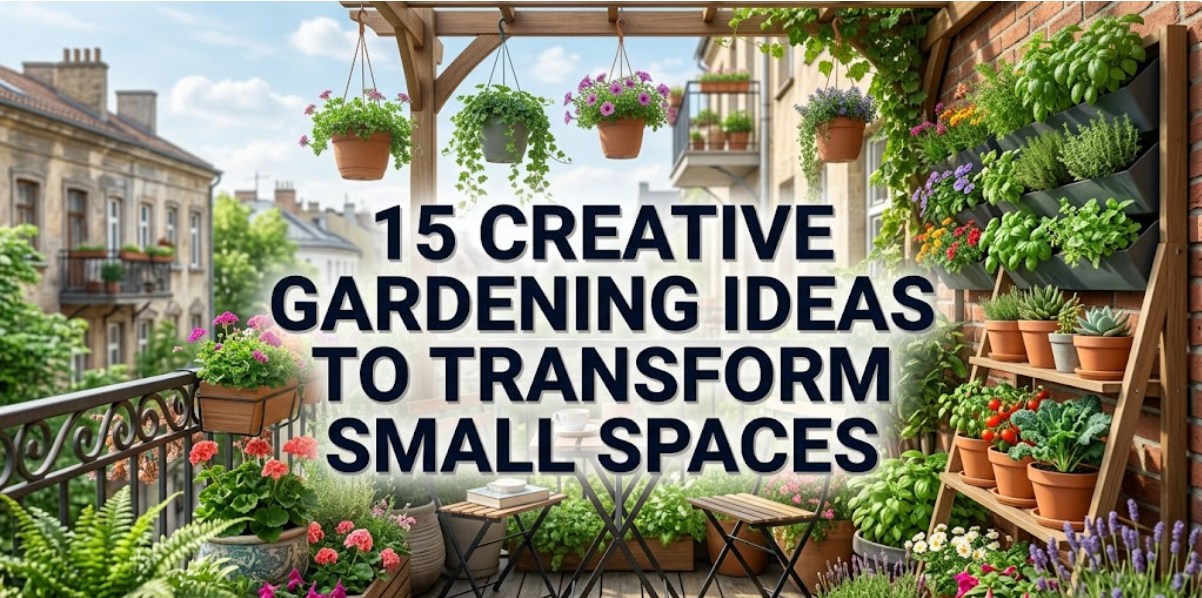
Small spaces often feel limiting at first glance. A balcony, a compact backyard, or even a narrow windowsill might not seem like fertile ground for lush greenery. But constraints can spark creativity. With the right ideas and thoughtful planning, even the smallest corner can evolve into a thriving, refreshing, and visually captivating garden.
This guide explores 15 creative gardening ideas that go beyond the obvious. Each concept is practical, adaptable, and designed to help you make the most out of limited space. Along the way, you’ll also find helpful tables, mini planning charts, and actionable tips to turn inspiration into reality.
vertical gardening to maximize limited space
When floor space is scarce, the natural solution is to look upward. Vertical gardening allows you to grow plants along walls, fences, or specially designed structures. This approach is particularly useful for balconies and small patios.
You can use wall-mounted planters, hanging pockets, or even repurpose wooden pallets. Herbs, leafy greens, and small flowering plants thrive well in vertical setups.
Here’s a simple comparison of vertical gardening options:
| Structure Type | Best For | Cost Level | Maintenance |
|---|---|---|---|
| Hanging pockets | Herbs, flowers | Low | Moderate |
| Wooden pallets | Mixed plants | Low | Low |
| Metal grid panels | Climbers, vines | Medium | Low |
| Wall planters | Decorative plants | Medium | Moderate |
Vertical gardens not only save space but also act as natural insulation, reducing heat and enhancing aesthetics.
container gardening with a twist
Containers are the backbone of small-space gardening. But instead of standard pots, think creatively. Old buckets, teapots, crates, and even shoes can become planters.
The key is proper drainage and soil quality. Mix textures and heights for visual appeal.
A practical container planning chart:
| Container Size | Suitable Plants | Watering Frequency |
|---|---|---|
| Small | Herbs, succulents | Daily |
| Medium | Flowers, lettuce | Every 2–3 days |
| Large | Tomatoes, peppers | Every 3–4 days |
Using varied containers adds personality and makes the space feel less rigid and more organic.
hanging gardens for an airy feel
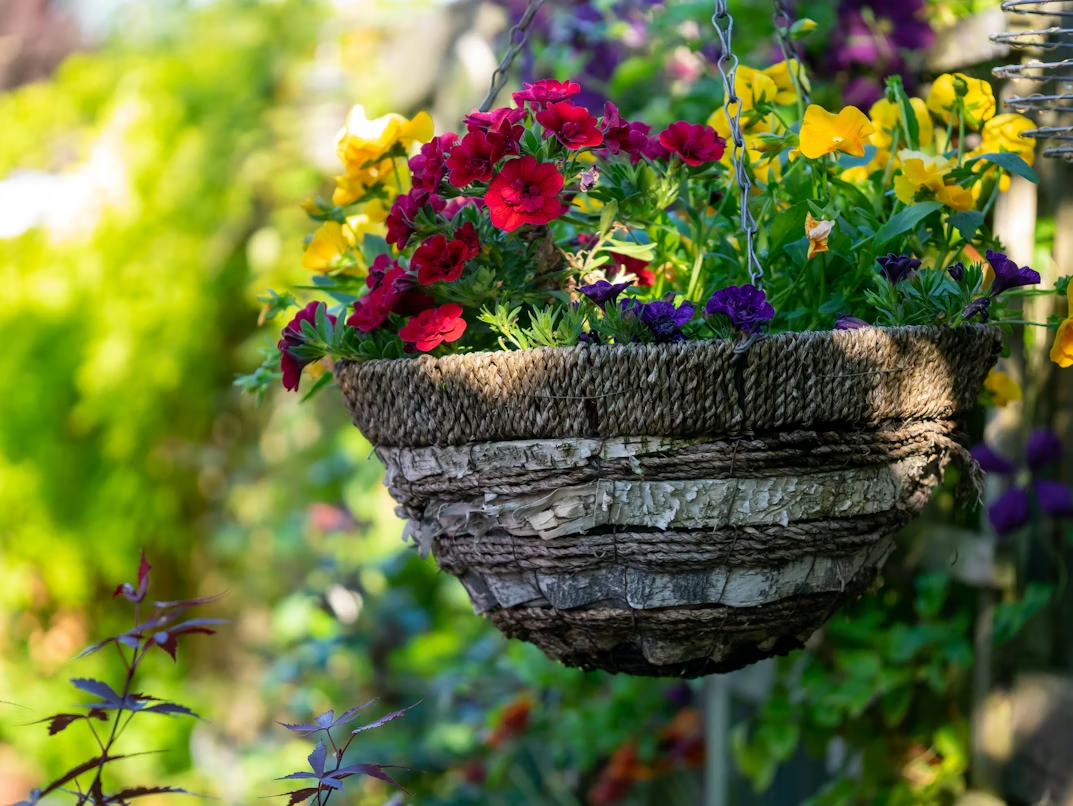
Hanging gardens introduce a sense of lightness. They work well in balconies, windows, or indoor corners with good light.
Macramé hangers, ceiling hooks, and railing baskets are popular choices. Trailing plants like pothos, ivy, and petunias are ideal.
To balance the space, mix hanging plants with grounded elements like floor pots or shelves. This layered look creates depth even in tight areas.
tiered plant stands for organization
Tiered stands help you arrange plants in layers without cluttering the floor. They are perfect for showcasing a variety of plants while ensuring each gets enough sunlight.
You can build your own stand using wood or buy ready-made versions. Place taller plants at the back and smaller ones in front.
A simple tier layout:
| Tier Level | Plant Type |
|---|---|
| Top | Sun-loving plants |
| Middle | Medium-light plants |
| Bottom | Shade-tolerant |
This arrangement improves both plant health and visual harmony.
window box gardening
Window boxes are an underrated gem for small spaces. They bring greenery right to eye level and can transform dull exteriors into lively displays.
Use them for herbs, flowers, or even small vegetables. Ensure they are securely mounted and have proper drainage.
Popular combinations:
| Plant Mix | Effect |
|---|---|
| Basil + parsley | Functional herb garden |
| Petunia + marigold | Bright floral display |
| Lettuce + spinach | Compact edible garden |
indoor herb gardens for daily use
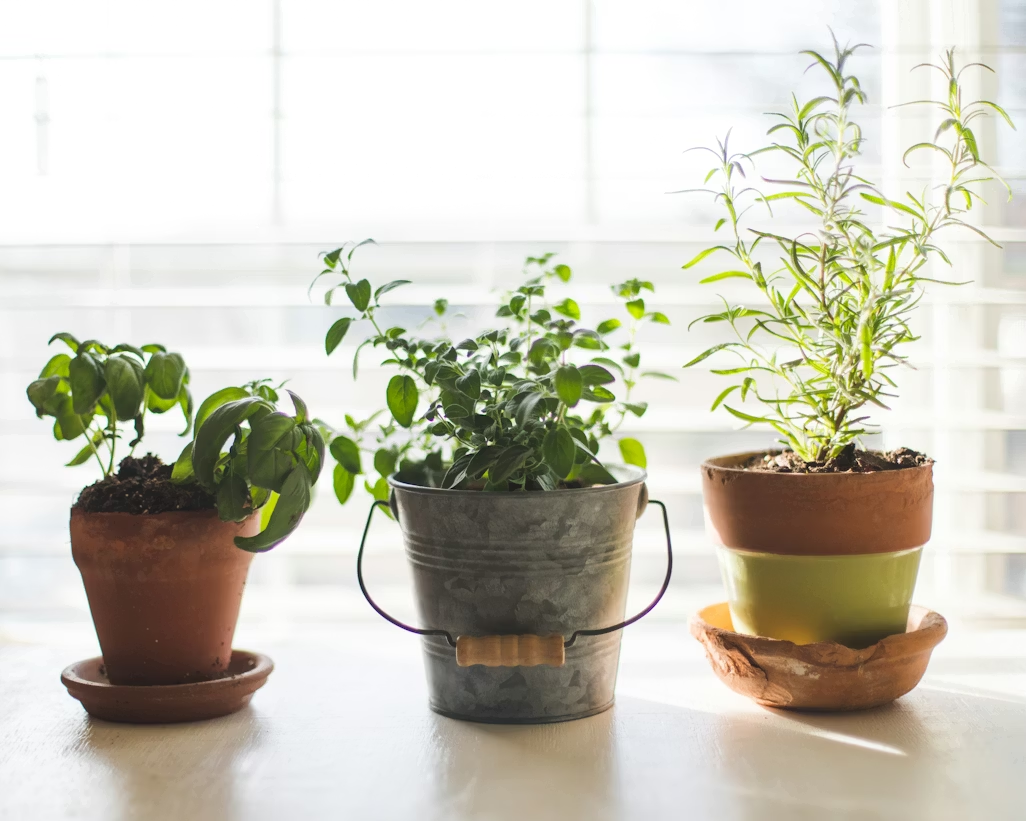
An indoor herb garden is both practical and satisfying. Imagine plucking fresh mint or basil while cooking.
Place herbs near a sunny window or use grow lights. Choose compact varieties and rotate them regularly for even growth.
Basic herb care guide:
| Herb | Light Needs | Water Needs |
|---|---|---|
| Basil | High | Moderate |
| Mint | Medium | High |
| Thyme | High | Low |
| Coriander | Medium | Moderate |
ladder gardens for vertical charm
A wooden ladder can double as a stylish plant stand. Each step can hold pots, creating a cascading effect.
This setup works well in corners and adds a rustic feel. It’s also easy to rearrange based on seasonal changes.
mini greenhouse setups
Small spaces don’t mean you can’t grow delicate plants. A mini greenhouse protects plants from harsh weather and extends the growing season.
You can use transparent storage boxes, glass cabinets, or DIY plastic covers.
Benefits include:
- Better humidity control
- Protection from pests
- Improved growth rates
succulent arrangements for low maintenance
Succulents are perfect for busy individuals. They require minimal watering and come in diverse shapes and colors.
Create artistic arrangements using shallow trays, glass bowls, or even wall frames.
Succulent care chart:
| Factor | Requirement |
|---|---|
| Light | Bright indirect |
| Water | Once a week |
| Soil | Well-draining |
vertical vegetable gardening
Growing vegetables in small spaces is entirely possible. Use vertical supports for climbing plants like beans, cucumbers, and tomatoes.
This method increases yield while saving space.
A quick planting guide:
| Vegetable | Support Type | Growth Direction |
|---|---|---|
| Beans | Trellis | Upward |
| Cucumbers | Netting | Climbing |
| Tomatoes | Stakes | Upright |
fairy gardens for creativity
Fairy gardens are miniature landscapes filled with tiny plants, figurines, and decorative elements. They are especially fun for families.
Use small containers and slow-growing plants. Add pebbles, tiny houses, and pathways to create a magical scene.
recycled material gardens
Turn waste into beauty by using recycled materials. Plastic bottles, cans, and old furniture can all become planters.
This approach is eco-friendly and cost-effective. It also allows you to experiment without financial risk.
balcony railing planters
Railing planters are ideal for maximizing unused space. They hang securely on balcony edges and provide extra room for plants.
Choose lightweight materials and ensure proper balance.
Best plant types:
- Herbs
- Flowers
- Small vegetables
hydroponic gardening in small spaces
Hydroponics allows plants to grow without soil, using nutrient-rich water instead. It’s efficient and space-saving.
You can start with simple kits or DIY systems. This method works well indoors and offers faster growth rates.
Hydroponic basics:
| Element | Role |
|---|---|
| Water | Nutrient delivery |
| Light | Growth stimulation |
| Nutrients | Plant development |
multi-functional garden furniture
Combine functionality with greenery by integrating plants into furniture. Benches with built-in planters or tables with central plant sections are great examples.
This approach saves space while enhancing usability.
small space garden planning chart
Before starting, it helps to map out your space. Here’s a simple planning framework:
| Area Type | Best Idea |
|---|---|
| Balcony | Vertical + railing planters |
| Indoors | Herbs + hanging plants |
| Backyard | Tiered stands + vegetables |
| Windowsill | Window boxes |
maintenance schedule for small gardens
Consistency is key in small gardening spaces. A basic weekly routine ensures healthy growth.
| Task | Frequency |
|---|---|
| Watering | Daily/Alternate |
| Pruning | Weekly |
| Fertilizing | Monthly |
| Pest check | Weekly |
final thoughts
Transforming a small space into a garden is less about size and more about intention. With thoughtful design and creative approaches, even the tiniest corner can become a sanctuary of greenery.
Experimentation is part of the process. Try different combinations, observe what works, and refine over time. The beauty of small-space gardening lies in its adaptability and personal touch.
frequently asked questions
- what are the best plants for small space gardening
Plants like herbs, succulents, lettuce, and compact flowering varieties are ideal because they require less space and are easy to maintain. - how can i ensure enough sunlight in a small garden
Position plants near windows or open areas, use reflective surfaces, or consider grow lights if natural light is limited. - is vertical gardening suitable for beginners
Yes, it is beginner-friendly. Start with simple setups like hanging pots or wall planters and gradually expand. - how often should i water plants in small containers
It depends on the plant type, but small containers generally require more frequent watering due to quicker soil drying. - can i grow vegetables in a small balcony
Absolutely. Many vegetables like tomatoes, peppers, and leafy greens thrive in containers and vertical setups. - what is the most low-maintenance gardening option
Succulent arrangements and hydroponic systems are among the easiest to maintain, requiring minimal daily effort.