
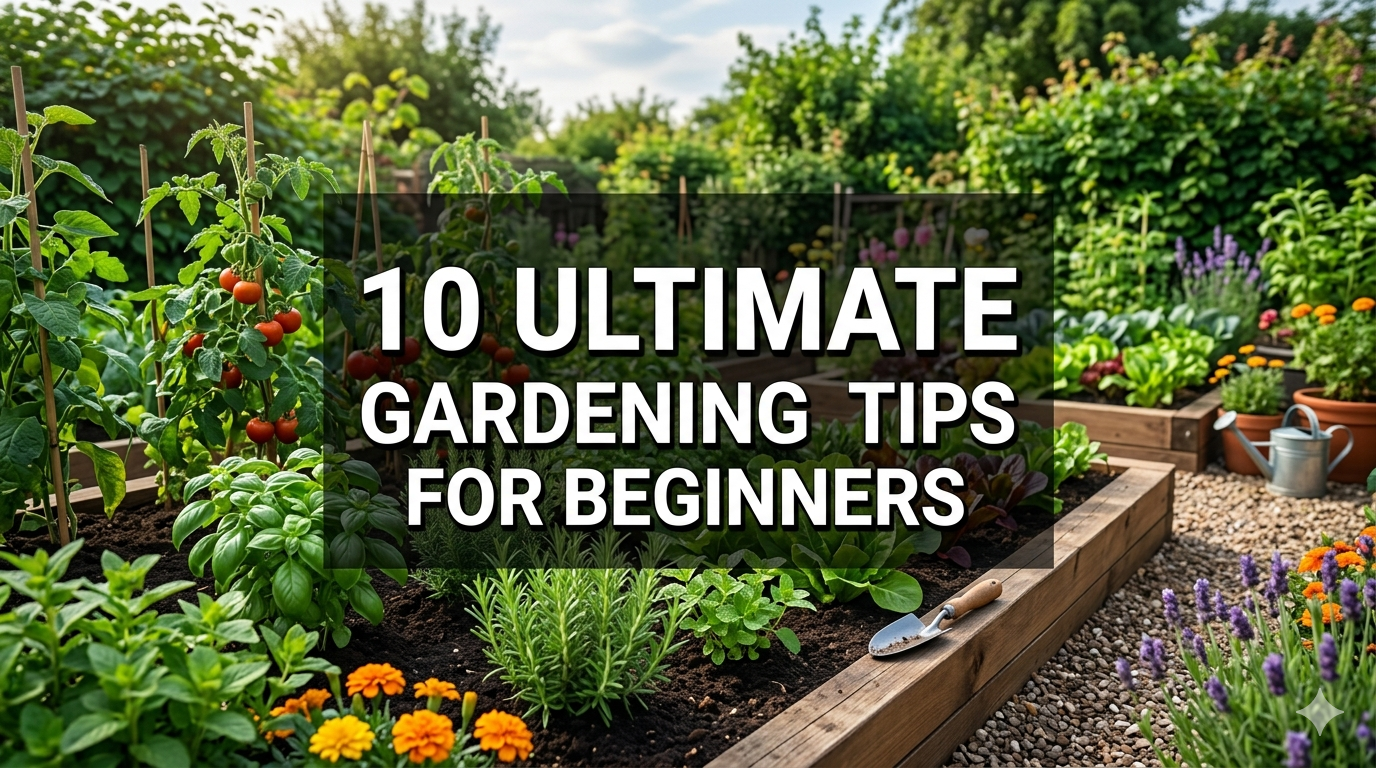
Starting a garden for the first time is a mix of excitement and confusion. You imagine fresh green leaves, colorful flowers, maybe even homegrown vegetables—but the reality often begins with dry soil, uncertain watering, and plants that don’t always cooperate.
The truth is simple: gardening success doesn’t depend on talent. It depends on understanding a few core principles and applying them consistently.
This guide breaks down 10 ultimate gardening tips for beginners in a practical, structured, and easy-to-follow way. Each tip is designed to help you avoid common mistakes and build a strong foundation for long-term gardening success.
- start with the right plants for your environment
One of the biggest beginner mistakes is choosing plants based on appearance rather than suitability. Every plant has specific needs—light, temperature, humidity, and soil type.
Choosing the wrong plant for your environment leads to constant failure, no matter how well you care for it.
plant suitability chart:
| environment type | best plant options |
|---|---|
| low light indoor | snake plant, pothos |
| sunny balcony | tomatoes, basil, peppers |
| shaded garden | ferns, mint, lettuce |
| hot climate | succulents, rosemary |
key insight:
Always match plants to your environment first, not your preferences.
- understand soil before planting anything
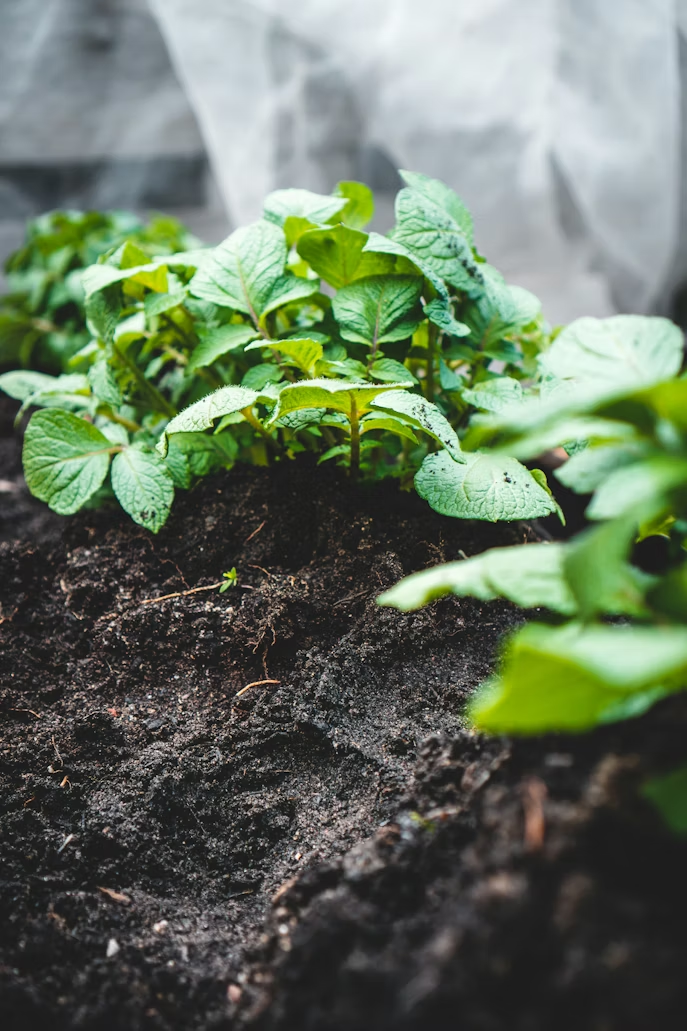
Soil is not just “dirt”—it is a living system that controls how plants grow. Healthy soil equals healthy plants.
soil types comparison:
| soil type | drainage | nutrient level | beginner suitability |
|---|---|---|---|
| sandy soil | high | low | moderate |
| clay soil | low | high | difficult |
| loamy soil | balanced | high | ideal |
| potting mix | high | adjustable | best for beginners |
soil improvement tips:
- add compost regularly
- avoid compacted soil
- mix organic matter for better structure
Good soil reduces 50% of gardening problems before they even start.
- learn proper watering techniques
Watering seems simple, but it is the most common reason beginner plants fail. Too much water suffocates roots; too little dries them out.
watering effectiveness chart:
| method | plant health impact |
|---|---|
| random watering | poor |
| daily shallow | weak roots |
| deep occasional | strong growth |
| drip irrigation | optimal |
best practices:
- water early morning
- check soil before watering
- water deeply, not frequently
A simple rule: touch the soil—if it’s dry 2–3 cm deep, it’s time to water.
- give plants enough sunlight (but not too much)
Light is the engine of plant growth. Without it, photosynthesis slows down or stops completely.
light requirement chart:
| plant type | sunlight need |
|---|---|
| herbs | 4–6 hours |
| vegetables | 6–8 hours |
| succulents | 6–10 hours |
| indoor plants | indirect light |
common mistakes:
- placing shade plants in direct sun
- keeping sun-loving plants indoors
- ignoring seasonal changes in sunlight
Plants are like solar-powered systems—light determines their energy level.
- don’t overcrowd your plants
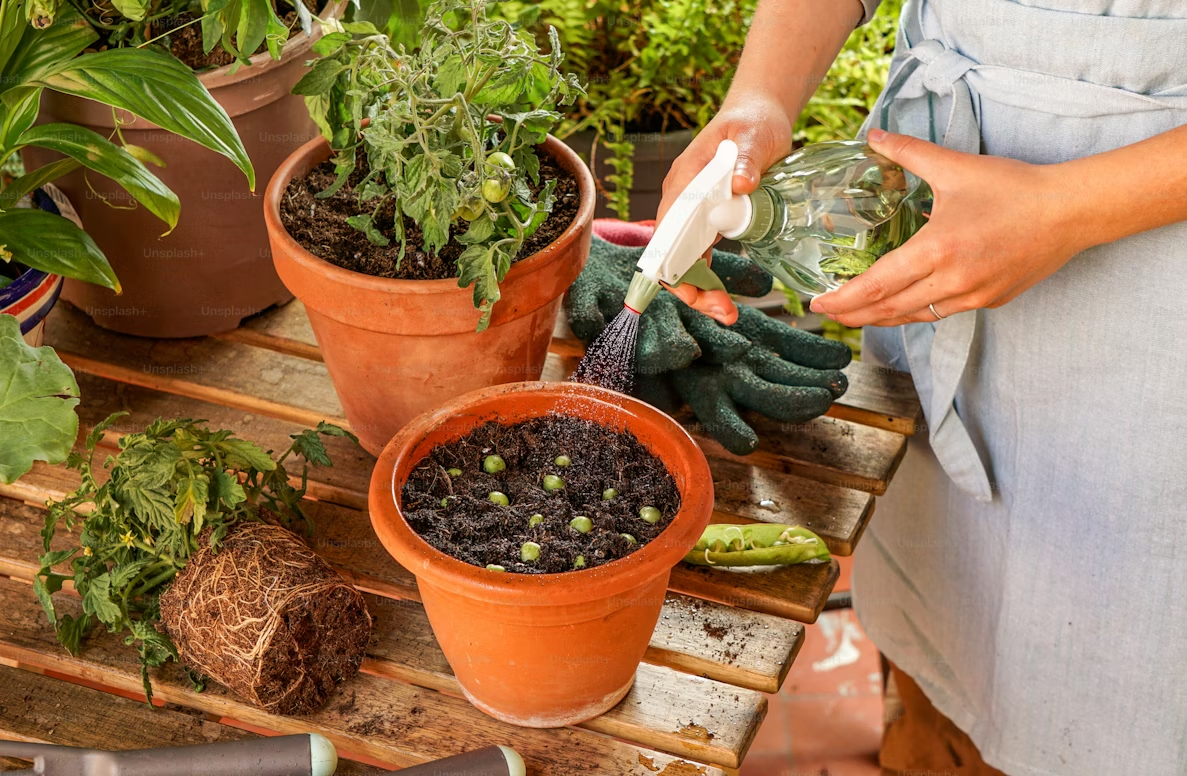
Beginners often plant too many seeds or seedlings in a small space. This leads to competition for nutrients, water, and sunlight.
spacing guide table:
| plant type | spacing needed |
|---|---|
| herbs | 10–20 cm |
| lettuce | 20–25 cm |
| tomatoes | 40–60 cm |
| peppers | 30–50 cm |
effects of overcrowding:
- weak growth
- higher disease risk
- poor air circulation
Less is more when it comes to healthy gardening.
- use compost instead of relying on chemicals
Compost is one of the most powerful natural fertilizers. It improves soil structure and feeds plants slowly and sustainably.
compost vs chemical fertilizer:
| factor | compost | chemical fertilizer |
|---|---|---|
| soil health | improves long-term | degrades over time |
| plant safety | very safe | risk of overuse |
| cost | low | medium to high |
| sustainability | very high | low |
simple compost ingredients:
- vegetable scraps
- dry leaves
- eggshells
- fruit peels
Healthy soil equals healthier plants over time.
- learn basic pruning techniques
Pruning helps plants grow stronger by removing unnecessary or damaged parts. It redirects energy toward healthy growth.
pruning impact chart:
| pruning level | growth result |
|---|---|
| no pruning | weak structure |
| light pruning | balanced growth |
| regular pruning | strong growth |
basic pruning tips:
- remove yellow leaves
- trim dead stems
- pinch herb tips to encourage bushiness
Think of pruning as “guiding plant energy.”
- protect plants from pests early
Pests can destroy plants quickly if not managed early. Prevention is easier than treatment.
common pest control methods:
| method | effectiveness |
|---|---|
| manual removal | moderate |
| neem oil spray | high |
| companion planting | high |
| chemical spray | very high (but risky) |
natural prevention tips:
- inspect leaves regularly
- avoid overwatering
- encourage beneficial insects
Healthy plants are naturally more pest-resistant.
- keep a simple gardening routine
Consistency matters more than intensity. Small daily or weekly habits make a big difference.
weekly gardening routine:
| task | frequency |
|---|---|
| watering | daily/alternate days |
| pruning | weekly |
| soil check | weekly |
| pest inspection | weekly |
| fertilizing | monthly |
benefits of routine:
- fewer mistakes
- stable plant growth
- early problem detection
Gardening success is built on repetition, not effort bursts.
- observe your plants regularly
Observation is the most underrated gardening skill. Plants communicate through color, shape, and growth patterns.
plant signals guide:
| symptom | possible issue |
|---|---|
| yellow leaves | overwatering or nutrient deficiency |
| drooping | underwatering |
| slow growth | low light or poor soil |
| brown edges | heat stress or dry air |
daily observation helps prevent small issues from becoming big failures.
beginner gardening success comparison chart
| practice level | success rate |
|---|---|
| random care | low |
| basic knowledge only | moderate |
| structured routine | high |
| full system approach | very high |
simple beginner garden setup plan
| space type | recommended setup |
|---|---|
| balcony | containers + vertical garden |
| indoor | herbs + grow lights |
| backyard | raised beds + compost |
| windowsill | small herb pots |
final thoughts
Gardening is not about perfection—it is about understanding patterns and working with nature instead of against it. Beginners often fail because they try to do too much at once or ignore basic principles like soil, light, and watering.
Once these 10 foundational tips are applied consistently, gardening becomes far easier, more enjoyable, and significantly more successful.
Even a small pot of herbs can turn into a thriving ecosystem when given the right care.
frequently asked questions
- what is the most important gardening tip for beginners
Choosing the right plants for your environment is the most important step because it determines overall success. - how often should beginners water plants
Most plants should be watered when the top 2–3 cm of soil feels dry, usually every 1–3 days depending on climate. - do beginners need expensive gardening tools
No, basic tools like a watering can, small shovel, and pots are enough to start successfully. - what is the easiest plant for beginners
Herbs like basil, mint, and coriander are very easy and grow quickly. - how long does it take to see results in gardening
Most fast-growing plants show visible results within 2–6 weeks depending on care and conditions. - can I garden indoors without sunlight
Yes, with grow lights and proper plant selection, indoor gardening can be very successful.