
Gardening looks simple from the outside—plant seeds, add water, wait for growth. But anyone who has spent real time in soil knows it doesn’t work that smoothly. Plants fail, soil behaves unpredictably, pests show up overnight, and sometimes even well-planned gardens collapse for reasons you don’t understand at first.
Most of the useful gardening knowledge doesn’t come from books—it comes from mistakes. These are the kinds of lessons that are only learned after losing plants, wasting time, or doing things the “wrong” way long enough to finally see patterns.
This article collects 11 gardening lessons that usually come the hard way, along with structured tables and practical breakdowns so you can avoid repeating them.
- overwatering is more dangerous than underwatering
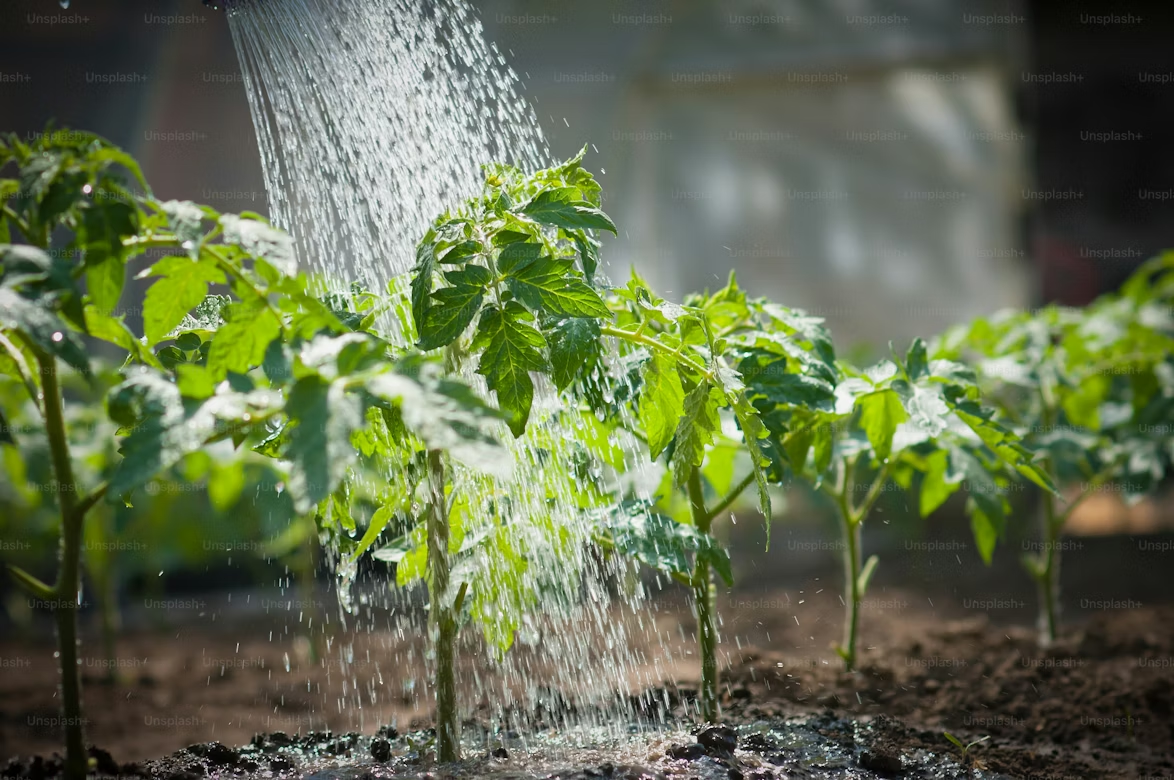
One of the first mistakes most gardeners make is assuming more water equals healthier plants. In reality, overwatering is one of the most common causes of plant death.
What actually happens:
- Roots lose oxygen
- Soil becomes compact and soggy
- Fungal infections develop
Comparison table:
| Watering Type | Root Health | Growth Outcome |
|---|---|---|
| Underwatering | Moderate stress | Slow growth |
| Balanced watering | Healthy | Stable growth |
| Overwatering | Root rot risk | Plant decline |
Lesson learned: plants recover faster from slight dryness than constant saturation.
- not all soil is “good soil”
Early gardeners often assume any dark soil is fertile. But soil quality depends on structure, drainage, and microbial life—not just color.
Soil quality breakdown:
| Soil Type | Drainage | Nutrients | Plant Success |
|---|---|---|---|
| Sandy soil | High | Low | Moderate |
| Clay soil | Low | High (locked) | Poor without amendment |
| Loamy soil | Balanced | High | Excellent |
Lesson learned: improving soil is more important than choosing plants.
- sunlight changes everything more than fertilizer
Many beginners try to fix weak plants with fertilizers when the real issue is light exposure.
Light impact comparison:
| Sun Exposure | Plant Behavior |
|---|---|
| Low light | Weak stems, slow growth |
| Partial light | Balanced growth |
| Full sunlight | Strong, fast growth |
Lesson learned: no fertilizer can fix poor sunlight conditions.
- spacing matters more than expected
Crowding plants is a mistake that looks harmless at first but creates long-term problems.
What goes wrong:
- Poor airflow
- Higher disease risk
- Competition for nutrients
Spacing impact table:
| Spacing Level | Airflow | Disease Risk | Yield |
|---|---|---|---|
| Too close | Low | High | Reduced |
| Proper spacing | High | Low | Optimal |
Lesson learned: small plants become big problems if overcrowded.
- pests appear when balance breaks, not randomly
At first, pests seem random. Later you realize they appear when the ecosystem is unbalanced.
Common triggers:
| Condition | Pest Attraction |
|---|---|
| Overwatering | Fungus gnats |
| Weak plants | Aphids |
| Dry stressed plants | Spider mites |
Lesson learned: pests are symptoms, not causes.
- pruning too late is worse than not pruning at all
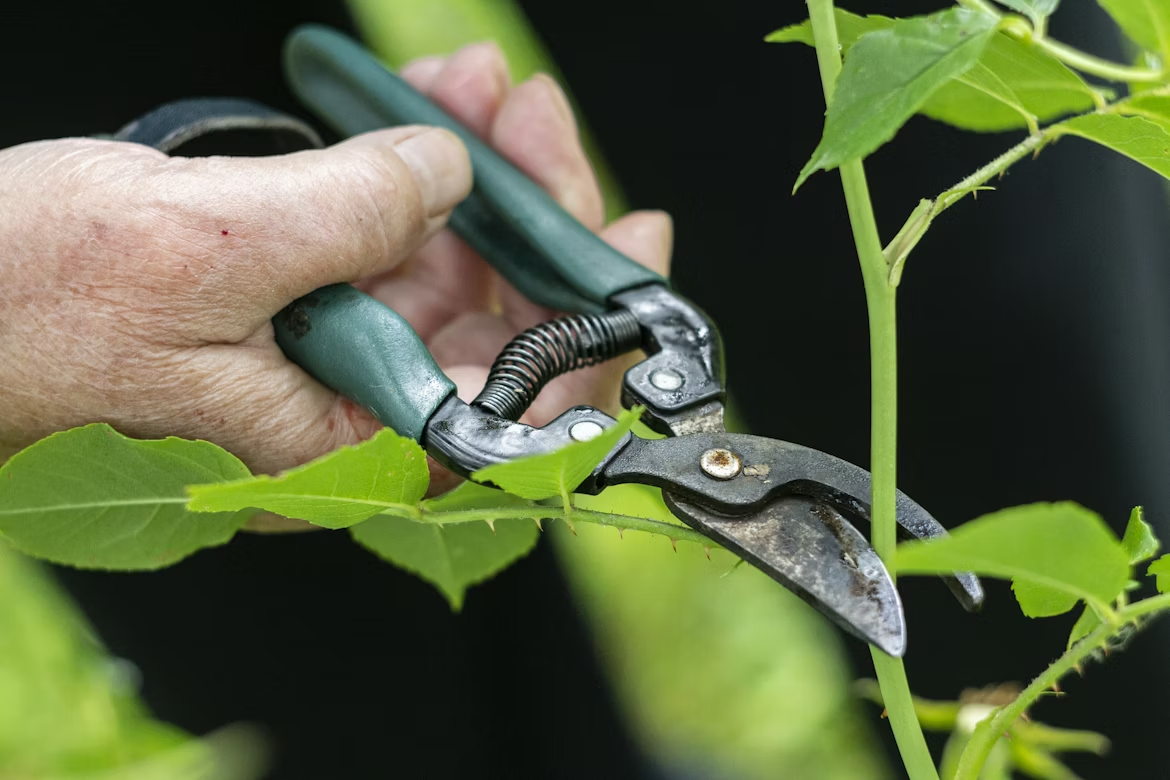
Delaying pruning leads to wasted plant energy and weak structure.
Pruning timing effects:
| Timing | Plant Response |
|---|---|
| Early pruning | Strong branching |
| Late pruning | Stress and slow recovery |
| No pruning | Overgrowth, weak yield |
Lesson learned: timing matters more than intensity.
- seeds don’t fail randomly—they fail due to conditions
When seeds don’t germinate, it’s usually environmental, not bad seeds.
Germination success factors:
| Factor | Ideal Condition |
|---|---|
| Soil temperature | Warm but not hot |
| Moisture | Consistent dampness |
| Depth | Correct planting depth |
Lesson learned: seed failure is usually a setup error.
- mulch is not optional—it’s structural support
Skipping mulch seems harmless until you see water loss and weed growth explode.
Mulch impact:
| Without Mulch | With Mulch |
|---|---|
| Fast evaporation | Moist soil retention |
| High weed growth | Weed suppression |
| Temperature swings | Stable soil temperature |
Lesson learned: mulch is not decoration, it’s protection.
- fertilizer misuse can harm more than help
More fertilizer does not mean faster growth. Overfeeding can burn roots.
Fertilizer comparison:
| Usage Level | Plant Reaction |
|---|---|
| No fertilizer | Slow but stable |
| Balanced use | Healthy growth |
| Overuse | Leaf burn, weak roots |
Lesson learned: plants need balance, not intensity.
- transplant shock is real and predictable
Moving plants always causes stress, but how you handle it determines recovery speed.
Transplant outcomes:
| Method | Recovery Time |
|---|---|
| Rough transplant | Slow, high risk |
| Careful transplant | Moderate recovery |
| Pre-watered transplant | Fast recovery |
Lesson learned: root handling matters more than visible plant size.
- patience is the most underrated gardening skill
Gardening success is often delayed, not instant. Impatience leads to unnecessary changes that harm plants.
Growth timeline reality:
| Stage | Perception | Reality |
|---|---|---|
| Week 1 | No change | Root development |
| Week 3 | Slow growth | Structural build |
| Week 6+ | Visible success | Full growth phase |
Lesson learned: most gardening problems are solved by waiting, not fixing.
overall gardening mistake pattern analysis
| Category | Most Common Mistake | Outcome |
|---|---|---|
| Watering | Overwatering | Root damage |
| Soil | Ignoring quality | Poor growth |
| Light | Underestimating need | Weak plants |
| Spacing | Overcrowding | Disease spread |
| Fertilizer | Overuse | Plant stress |
simple correction strategy chart
| Problem | Fast Fix |
|---|---|
| Yellow leaves | Check watering + light |
| Slow growth | Check soil + spacing |
| Wilting | Check roots + moisture |
| Pest outbreak | Check plant stress causes |
weekly reflective gardening routine
Instead of constant intervention, reflection helps avoid repeated mistakes.
| Day | Focus |
|---|---|
| Monday | Water check |
| Wednesday | Plant observation |
| Friday | Soil inspection |
| Sunday | Adjustments only if needed |
final thoughts
Most gardening lessons feel simple after you learn them, but they are rarely obvious when you start. The “hard way” often involves losing plants or wasting time on fixes that don’t address the real problem.
The key shift is learning to observe before acting. Once you understand how plants respond to water, light, soil, spacing, and timing, gardening becomes less about trial and error and more about reading signals.
Every mistake becomes useful once you understand what caused it. That’s when gardening stops feeling unpredictable and starts feeling intentional.
frequently asked questions
- what is the most common beginner gardening mistake?
Overwatering is the most common and damaging mistake for beginners. - why do my plants keep dying even when I care for them?
Most failures come from poor light, soil issues, or watering imbalance rather than neglect. - how important is soil compared to fertilizer?
Soil is far more important because it controls structure, nutrients, and root health. - do all plants need the same amount of sunlight?
No. Different plants have different light requirements, and mismatch causes weak growth. - how do I know if I am overwatering my plants?
Yellow leaves, soggy soil, and weak stems are common signs. - what is the fastest way to improve gardening success?
Focus on soil quality, proper watering, and correct spacing before anything else.