
Starting a garden for the first time feels exciting—until reality kicks in. Plants dry out, pests appear out of nowhere, and soil behaves nothing like what you expected. The truth is, most beginner gardening problems are not caused by lack of effort, but by missing a few simple techniques that experienced gardeners use without thinking.
This guide focuses on seven practical gardening hacks that make a noticeable difference quickly. These are not complicated methods or expensive solutions—just smart adjustments that help plants grow healthier with less stress and fewer mistakes.
- the “finger test” watering hack
One of the most common beginner mistakes is overwatering. Many new gardeners assume plants need water every day, but in reality, most plants suffer more from excess water than from drought.
The finger test is a simple way to check soil moisture without tools.
How it works:
- Insert your finger about 2–3 cm into the soil
- If it feels dry, water the plant
- If it feels moist, wait another day
Soil moisture guide:
Soil condition Action needed
Dry and dusty Water immediately
Slightly moist Check again tomorrow
Wet and sticky Do not water
Cool and damp Healthy level
Why this works:
Plant roots need both water and oxygen. Overwatering removes oxygen from the soil, leading to root rot.
watering mistake comparison:
Watering habit Result
Daily shallow watering Weak roots, yellow leaves
Deep but less frequent Strong root growth
Random watering Unstable plant health
A consistent moisture check builds better intuition over time than any fixed watering schedule.
- homemade compost shortcut (no fancy setup needed)
Many beginners think composting requires large bins or complicated systems. In reality, you can start composting in a small corner using kitchen waste.
Simple compost ingredients:
Green materials (nitrogen-rich):
- Vegetable scraps
- Fruit peels
- Tea leaves
- Coffee grounds
Brown materials (carbon-rich):
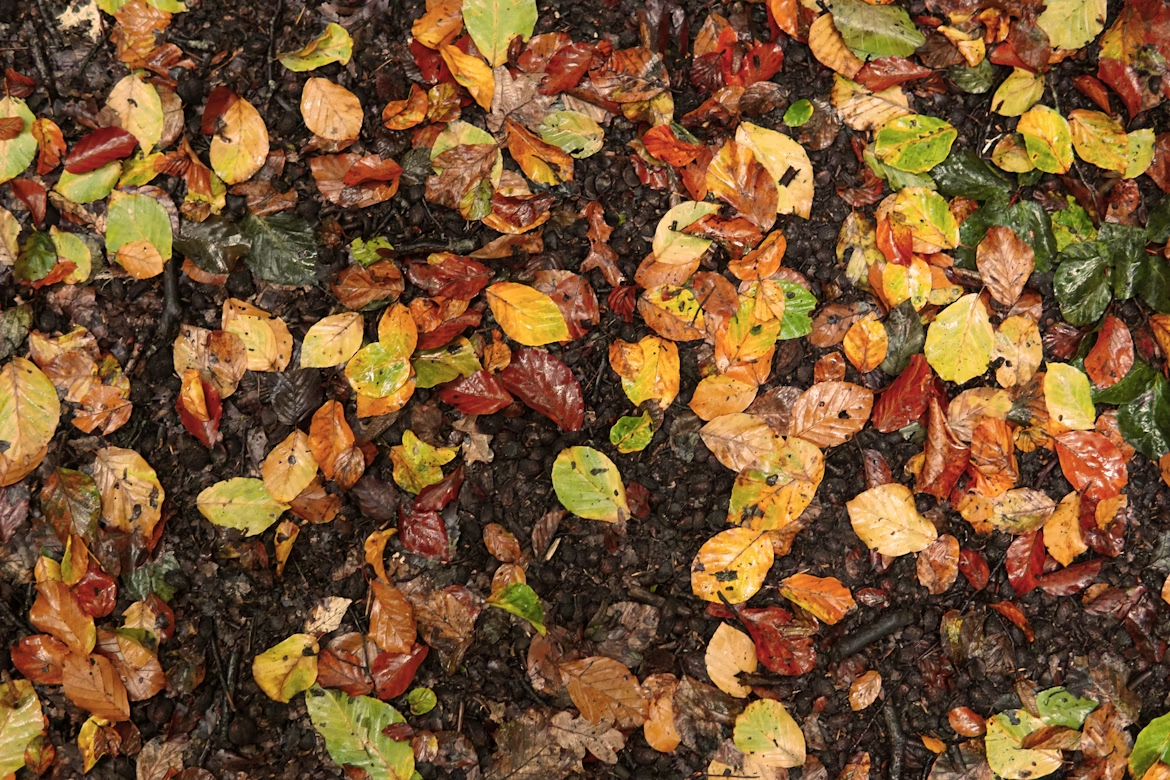
- Dry leaves
- Cardboard
- Paper
- Dry grass
Compost ratio guide:
Material type Ratio
Greens 1 part
Browns 2–3 parts
Quick compost setup hack:
Instead of building a compost bin, use a simple bucket with holes for airflow. Stir every few days.
What happens over time:
Week range Process stage
1–2 weeks Breakdown begins
3–5 weeks Heat and decomposition
6–8 weeks Soil-like texture forms
Why this hack matters:
Healthy compost improves soil structure, reduces fertilizer costs, and boosts plant growth naturally.
- the “plant grouping” temperature trick
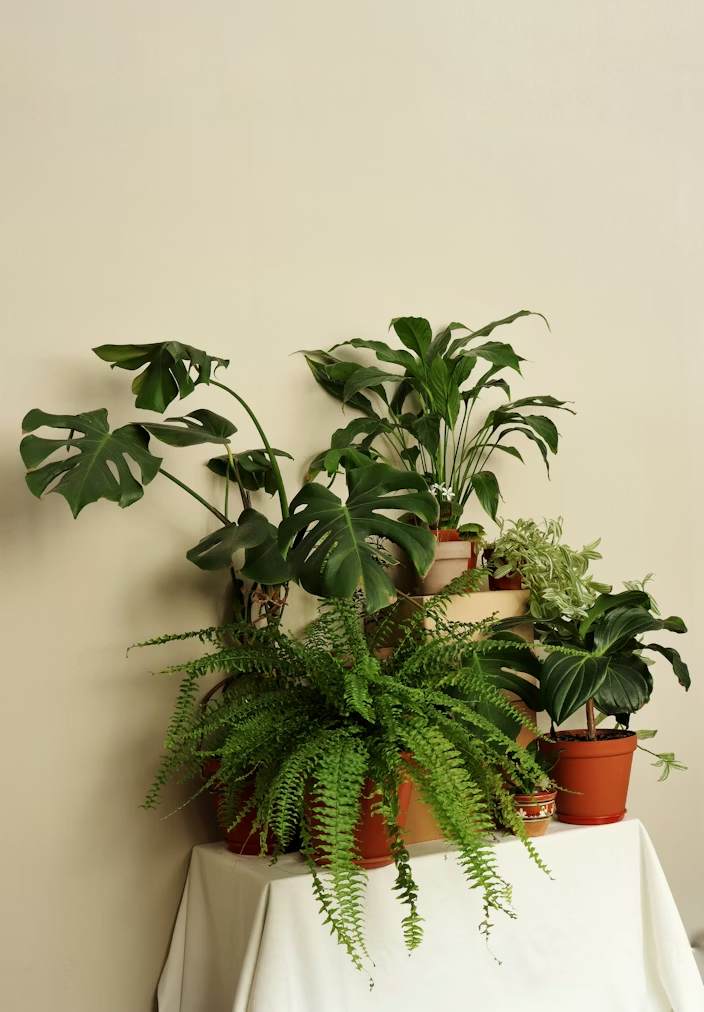
Plants don’t just grow individually—they influence each other’s micro-environment. Grouping plants together creates a mini ecosystem that helps retain humidity and stabilize temperature.
Benefits of grouping plants:
- Reduces water evaporation
- Improves humidity
- Protects weaker plants
- Creates shade balance
Plant grouping chart:
Group type Example plants
Moisture lovers Ferns, peace lilies
Sun lovers Tomatoes, peppers
Shade tolerant Mint, spinach
Smart grouping layout:
Zone Arrangement style
Center Taller plants
Middle Medium plants
Edges Low-growing plants
Why it works:
Grouped plants create shared humidity zones, reducing stress during heat.
Mistake to avoid:
Mixing plants with very different water needs in the same cluster.
- banana peel fertilizer hack
Instead of throwing away banana peels, you can turn them into a simple nutrient booster for flowering plants.
What banana peels contain:
- Potassium (flower growth)
- Phosphorus (root strength)
- Calcium (cell structure)
Simple methods:
- Soaking method:
- Soak banana peels in water for 2–3 days
- Use the water for plants
- Drying method:
- Dry peels in sun
- Crush into powder
- Sprinkle into soil
Effect comparison:
Method Nutrient release speed
Fresh compost mix Slow but balanced
Banana peel tea Fast absorption
Powder form Medium release
Best used for:
- Roses
- Tomatoes
- Flowering plants
Why it works:
It provides a natural potassium boost without chemical fertilizers.
- vertical gardening for small spaces
If space is limited, vertical gardening is one of the most powerful hacks. Instead of spreading outward, you grow upward.
Common vertical structures:
- Wall planters
- Hanging pots
- Trellises
- Stackable containers
Space efficiency chart:
Method Space usage Yield potential
Ground planting High Medium
Container pots Medium Medium
Vertical setup Low High
Best plants for vertical gardening:
- Cucumbers
- Beans
- Tomatoes
- Money plants
Why it works:
Vertical systems improve airflow, reduce pests, and maximize sunlight exposure.
Beginner mistake:
Using heavy soil on weak supports—always secure structures properly.
- natural pest control spray hack
Instead of buying chemical pesticides, you can create a simple natural spray at home.
Basic recipe:
- 1 liter water
- 1 teaspoon mild liquid soap
- 2–3 crushed garlic cloves
- Optional: chili flakes
How it works:
- Garlic repels insects
- Soap breaks pest protective coating
- Chili irritates pests
Pest control effectiveness:
Pest type Control level
Aphids High
Whiteflies Medium-high
Spider mites Medium
Usage instructions:
Spray early morning or evening to avoid leaf burn.
Why this hack matters:
It protects beneficial insects like bees while targeting harmful pests.
- soil aeration hack using simple tools
Soil often becomes compacted over time, especially in pots. Compacted soil prevents roots from breathing properly.
Aeration hack:
Use a stick, chopstick, or fork to gently poke holes in the soil every 1–2 weeks.
Benefits:
- Improves oxygen flow
- Enhances water absorption
- Encourages root expansion
Soil condition chart:
Soil state Plant impact
Loose and airy Healthy growth
Slightly compact Slower growth
Hard and dense Root stress
Best practice:
Avoid damaging roots—light loosening is enough.
combined gardening hacks performance overview
Here is how each hack contributes to overall garden health:
Hack Impact level
Finger watering test Very high
Compost shortcut Very high
Plant grouping High
Banana fertilizer Medium-high
Vertical gardening Very high
Natural pest spray High
Soil aeration High
bonus insight: how these hacks work together
These hacks are not isolated tricks—they reinforce each other. For example:
- Compost improves soil, making watering more effective
- Vertical gardening improves airflow, reducing pest issues
- Plant grouping stabilizes moisture, reducing watering needs
When combined, they create a low-maintenance but highly productive garden system.
faqs
- how often should beginners water plants using the finger test?
There is no fixed schedule. Water only when the top 2–3 cm of soil feels dry. - can kitchen waste really replace chemical fertilizers?
Yes, composted kitchen waste provides essential nutrients, though it works more slowly than synthetic fertilizers. - is vertical gardening suitable for all plants?
No, it works best for climbing or lightweight plants like beans, cucumbers, and herbs. - how long does homemade compost take to become usable?
On average, 6–10 weeks depending on temperature and materials used. - is natural pest spray safe for edible plants?
Yes, when used properly, it is safe for vegetables and herbs. - what is the most important hack for absolute beginners?
The finger watering test and composting together form the strongest foundation for healthy gardening.