Starting a garden in 2026 feels very different from how it used to. The tools are smarter, the spaces are smaller, and people are more conscious about sustainability than ever before. Yet, the core appeal remains the same: growing something with your own hands is deeply satisfying. If you’re new to gardening, the idea can feel overwhelming at first—soil types, watering schedules, sunlight needs—but it doesn’t have to be complicated.
This guide walks you through seven practical, beginner-friendly gardening ideas that are easy to start, affordable, and rewarding. Along the way, you’ll also find tables, simple planning charts, and practical tips to make your first gardening experience smooth and enjoyable.
idea 1: start with container gardening
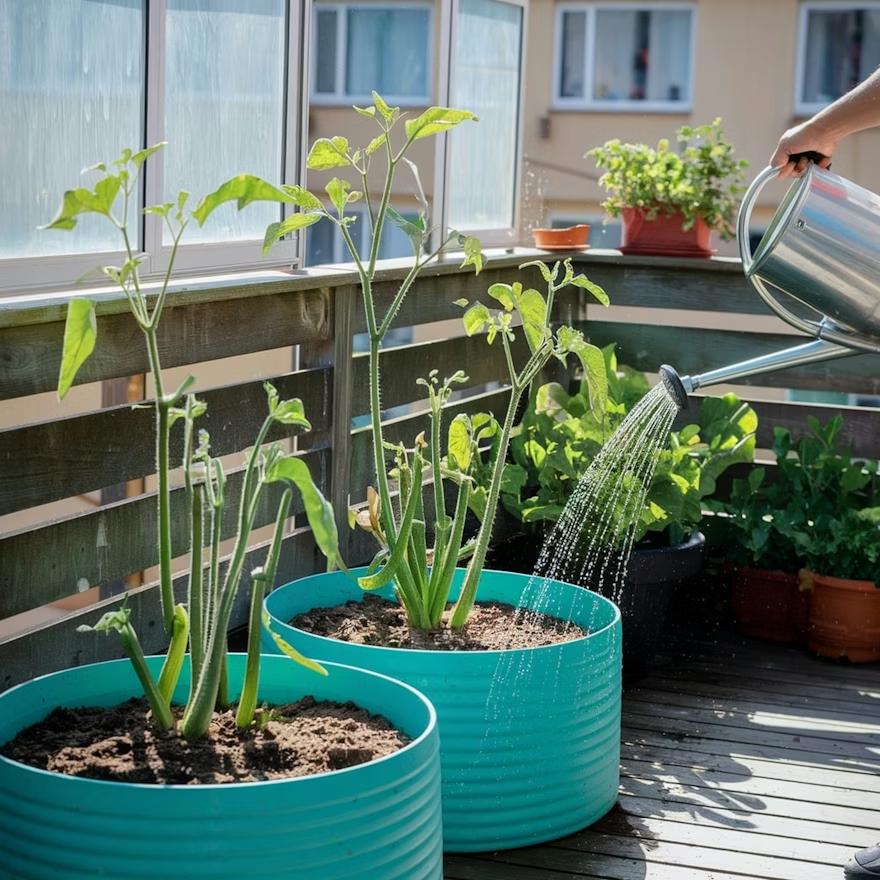
Container gardening is often the easiest entry point for beginners. You don’t need a backyard, and you don’t need to commit to permanent garden beds. All you need are a few pots, soil, and plants.
Why it works well:
- Perfect for small spaces like balconies or windowsills
- Easy to manage soil quality
- Portable—you can move plants to catch sunlight
Common beginner plants for containers:
- Mint
- Basil
- Tomatoes (small varieties)
- Chili peppers
- Lettuce
Here’s a simple comparison table to help you pick plants:
| plant | container size | sunlight needed | watering frequency | difficulty level |
|---|---|---|---|---|
| mint | small pot | partial sun | daily (light) | very easy |
| basil | medium pot | full sun | every 1–2 days | easy |
| lettuce | shallow tray | partial sun | daily | easy |
| cherry tomatoes | large pot | full sun | every 1–2 days | moderate |
| chili peppers | medium pot | full sun | every 2 days | easy |
A good rule: if you’re unsure, start with herbs. They grow fast and forgive small mistakes.
idea 2: grow a mini herb garden
Herbs are the perfect beginner’s plants because they don’t demand much space or effort. Plus, you get immediate rewards—you can actually use them in your kitchen.
Popular beginner herbs:
- Coriander
- Mint
- Parsley
- Thyme
- Green onions
You can grow these in recycled containers like jars, tins, or even plastic bottles.
Herb growth timeline chart:
| herb | germination time | ready to harvest | harvest frequency |
|---|---|---|---|
| mint | 7–10 days | 3–4 weeks | weekly |
| coriander | 10–14 days | 4–5 weeks | every 10 days |
| parsley | 14–21 days | 6–8 weeks | bi-weekly |
| thyme | 14–21 days | 6–8 weeks | weekly |
Tip: harvesting regularly actually encourages herbs to grow more.
idea 3: try vertical gardening
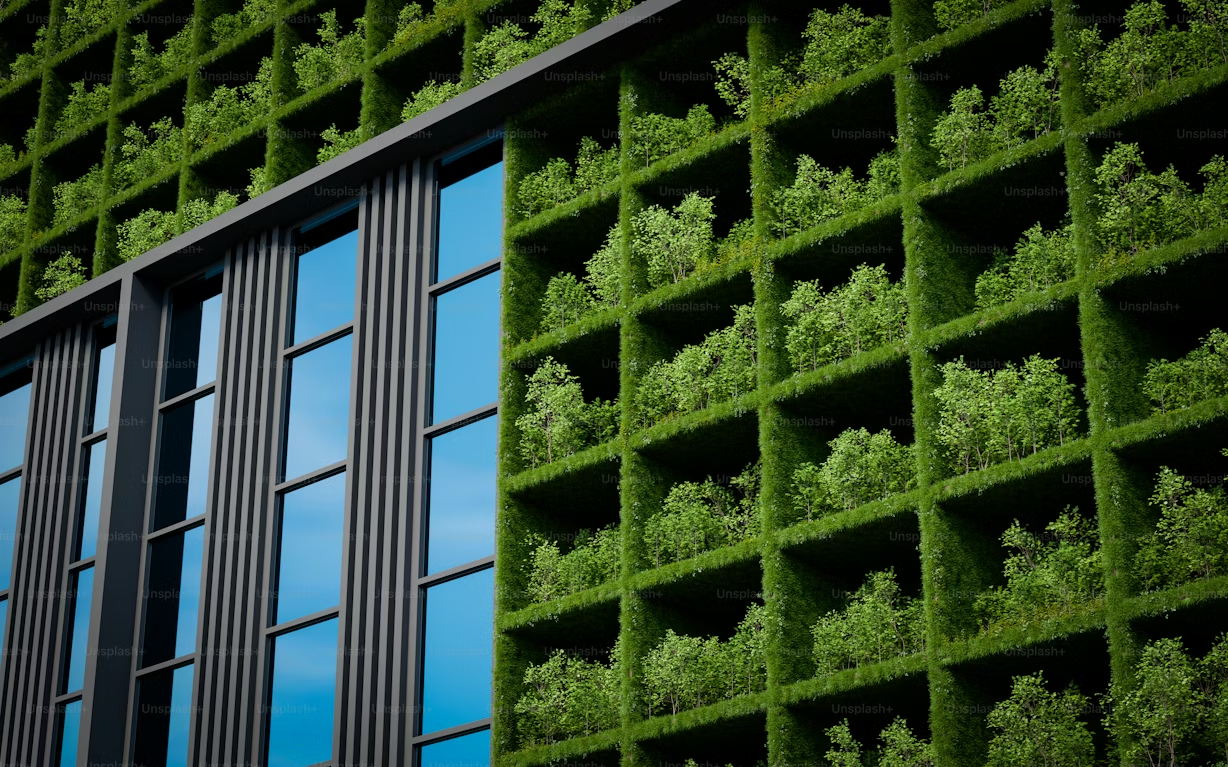
In 2026, vertical gardening is more popular than ever, especially for urban environments. It’s a smart way to maximize limited space.
You can create a vertical garden using:
- Wall-mounted pots
- Hanging baskets
- Stackable planters
- Wooden pallets
Advantages:
- Saves space
- Improves airflow around plants
- Looks visually appealing
Best plants for vertical gardening:
- Strawberries
- Spinach
- Herbs
- Small flowering plants
Simple layout concept:
level 1 (top): herbs (basil, thyme)
level 2: leafy greens (spinach, lettuce)
level 3: trailing plants (strawberries)
This arrangement ensures sunlight distribution and easy watering.
idea 4: use ready-made soil mixes
One of the biggest mistakes beginners make is trying to mix their own soil without understanding the balance. In 2026, high-quality ready-made soil mixes are widely available and designed for specific plant types.
Types of soil mixes:
| soil type | best for | key feature |
|---|---|---|
| potting mix | general plants | lightweight and well-draining |
| cactus mix | succulents | sandy and fast-draining |
| organic compost mix | vegetables | nutrient-rich |
| seed starting mix | seedlings | fine texture for roots |
Using the right soil saves you from many common problems like root rot or poor growth.
idea 5: start a low-maintenance vegetable patch
If you have a bit of outdoor space, starting a small vegetable patch can be incredibly rewarding. The key is to begin with vegetables that are easy to grow.
Beginner-friendly vegetables:
- Spinach
- Radishes
- Carrots
- Okra
- Beans
Vegetable growth chart:
| vegetable | planting season | harvest time | difficulty |
|---|---|---|---|
| spinach | cool season | 4–6 weeks | easy |
| radish | cool season | 3–4 weeks | very easy |
| carrot | mild season | 8–10 weeks | moderate |
| okra | warm season | 6–8 weeks | easy |
| beans | warm season | 6–8 weeks | easy |
Start small—maybe 3–4 types of vegetables. Expanding too quickly can become overwhelming.
idea 6: practice smart watering techniques
Overwatering is one of the most common beginner mistakes. Plants need water, but they also need oxygen in their roots.
Basic watering guidelines:
| plant type | watering frequency | signs of overwatering | signs of underwatering |
|---|---|---|---|
| herbs | every 1–2 days | yellow leaves | drooping leaves |
| vegetables | every 2–3 days | root rot smell | dry soil cracks |
| succulents | once a week | mushy leaves | shriveled leaves |
Modern tip for 2026:
Use self-watering pots or moisture sensors. These are affordable and help you maintain consistency.
Quick watering rule:
Stick your finger into the soil about an inch deep. If it feels dry, water it. If it’s still moist, wait.
idea 7: embrace composting at home
Composting turns kitchen waste into nutrient-rich soil. It’s eco-friendly and reduces waste.
You can compost:
- Fruit and vegetable peels
- Coffee grounds
- Eggshells
- Dry leaves
Avoid:
- Meat
- Dairy
- Oily food
Simple composting cycle:
| stage | duration | what happens |
|---|---|---|
| collection | daily | gather organic waste |
| decomposition | 2–4 weeks | materials break down |
| curing | 2–3 weeks | compost stabilizes |
| ready use | 4–8 weeks total | usable soil formed |
Even a small compost bin can significantly improve your garden’s health.
extra tips for beginners in 2026
- start small and scale gradually
- observe your plants daily
- don’t panic over small mistakes
- use digital apps for reminders (watering, fertilizing)
- choose local plant varieties—they adapt better
simple weekly gardening planner
| day | task |
|---|---|
| monday | check soil moisture |
| tuesday | light watering |
| wednesday | inspect leaves for pests |
| thursday | prune dead leaves |
| friday | fertilize (if needed) |
| saturday | harvest herbs/vegetables |
| sunday | rest and observe growth |
This kind of simple routine keeps things manageable and prevents neglect.
common beginner mistakes and how to avoid them
| mistake | solution |
|---|---|
| overwatering | check soil before watering |
| choosing difficult plants | start with herbs and greens |
| ignoring sunlight needs | place plants based on light exposure |
| planting too close | follow spacing guidelines |
| giving up too early | plants take time—be patient |
gardening is not about perfection. Even experienced gardeners lose plants sometimes. The goal is to learn and improve.
closing thoughts
Gardening in 2026 is a blend of tradition and innovation. While technology can help, the real joy still comes from nurturing something over time. As a beginner, your focus should be on simplicity—easy plants, manageable routines, and small spaces.
Once you see your first leaves sprout or harvest your first herb, the experience becomes addictive in the best possible way. It builds patience, reduces stress, and connects you to nature—even if you live in a busy city.
frequently asked questions
- how often should beginners water their plants?
Most beginner plants need watering every 1–3 days, depending on the weather and soil. Always check soil moisture before watering to avoid overwatering. - what is the easiest plant to grow for beginners?
Mint is often considered the easiest. It grows quickly, requires minimal care, and adapts well to different conditions. - can I start gardening without sunlight?
Most plants need sunlight, but you can use grow lights if natural light is limited. Some plants like lettuce and herbs tolerate low light better. - how long does it take to see results?
Herbs and leafy greens can show results in 3–4 weeks. Vegetables may take 6–10 weeks depending on the type. - do I need fertilizers right away?
Not necessarily. If you’re using good-quality soil or compost, you can wait a few weeks before adding fertilizer. - is gardening expensive to start?
No, it can be very affordable. You can reuse containers, start with a few plants, and gradually expand as you gain experience.
With these seven easy ideas and practical tools, you’re well on your way to becoming a confident gardener. The key is to start simple, stay consistent, and enjoy the process.