
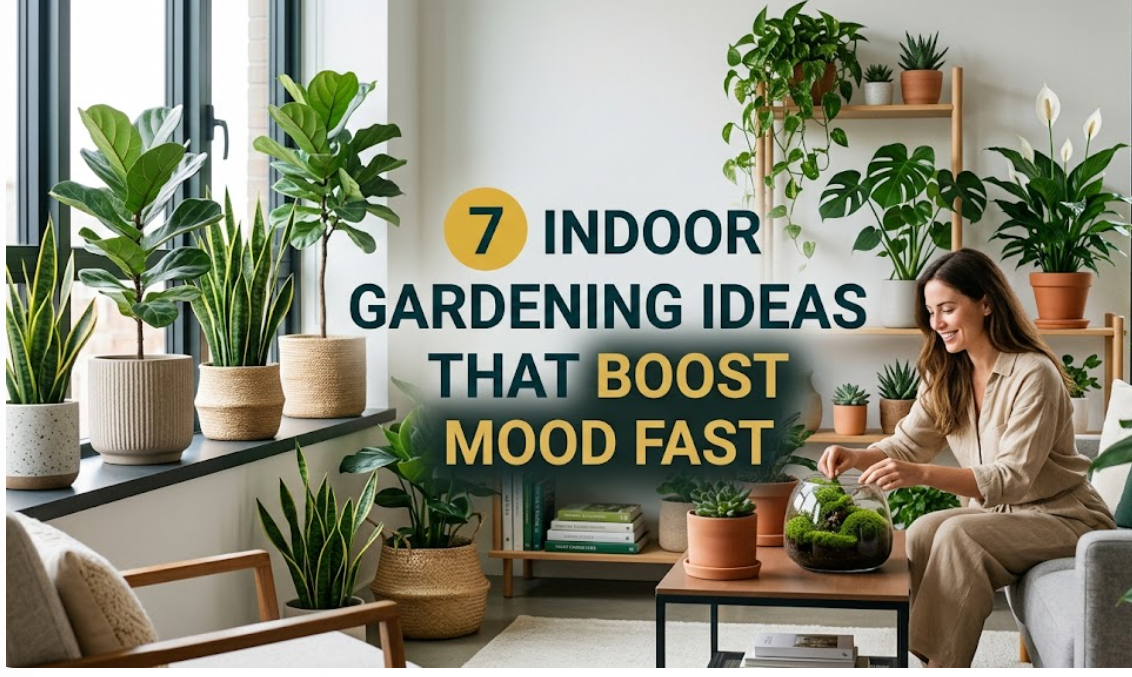
Indoor gardening has become more than just a hobby in 2026—it’s a simple, practical way to improve mental well-being, reduce stress, and bring life into small living spaces. People are spending more time indoors than ever, and that makes the environment around them even more important. Plants are not just decorative objects; they actively influence how we feel, think, and behave.
What makes indoor gardening especially powerful is how quickly it can affect mood. Studies in environmental psychology show that even a small interaction with plants can reduce anxiety levels and improve focus within minutes. You don’t need a large house, expensive tools, or gardening experience. You just need a few plants, some light, and a bit of consistency.
Below are seven indoor gardening ideas that are easy to start, low-maintenance, and known to improve mood quickly.
idea 1: windowsill herb garden for instant freshness
A windowsill herb garden is one of the fastest ways to bring life into your space. Herbs like mint, basil, and coriander release natural aromas that instantly refresh indoor air and create a calming atmosphere.
Why it boosts mood quickly:
- Fresh herbal scent reduces stress perception
- Green color improves visual comfort
- Harvesting creates a sense of accomplishment
Best herbs for beginners:
- Mint
- Basil
- Coriander
- Thyme
- Parsley
simple herb mood impact table:
| herb | mood effect | growth speed | maintenance level |
|---|---|---|---|
| mint | calming + refreshing | fast | very easy |
| basil | uplifting + energizing | fast | easy |
| coriander | soothing | moderate | easy |
| thyme | grounding | slow | very easy |
| parsley | balancing | moderate | easy |
Even placing a small pot near your kitchen window can noticeably change how your space feels within a week.
idea 2: succulent corner for low-stress greenery
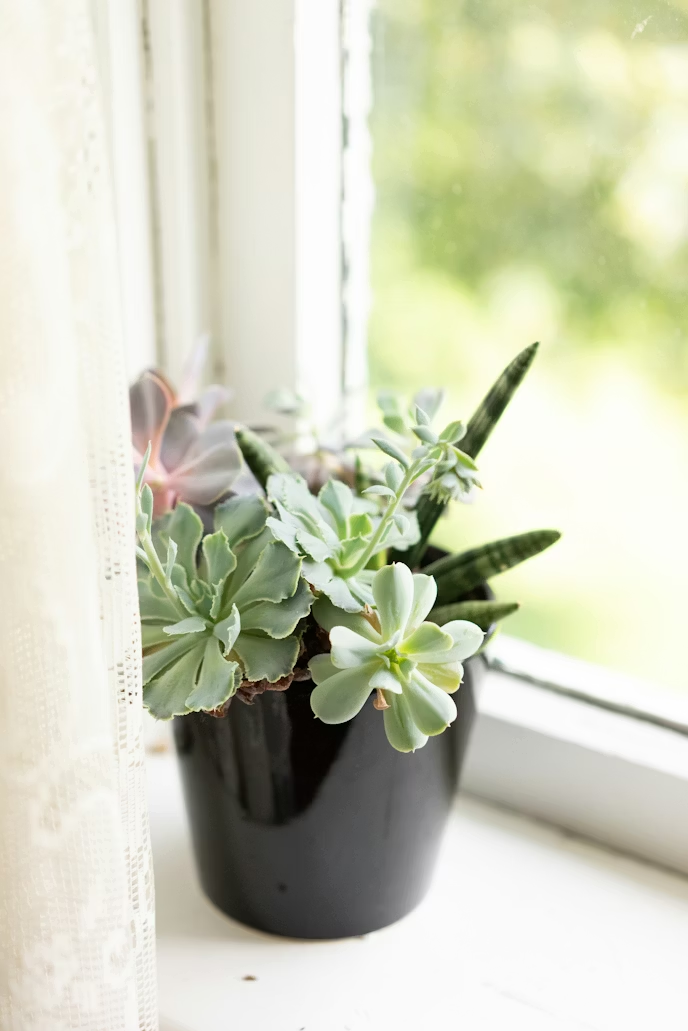
Succulents are ideal for people who want greenery without responsibility overload. They store water in their leaves, meaning they survive even if you forget them for a few days.
Psychological benefit:
Succulents symbolize resilience and stability, which can subconsciously reduce feelings of chaos or overwhelm.
Popular options:
- Aloe vera
- Jade plant
- Echeveria
- Haworthia
mood and care comparison:
| plant | stress tolerance | watering frequency | mood effect |
|---|---|---|---|
| aloe vera | very high | once a week | calming |
| jade plant | high | every 10–14 days | stability |
| echeveria | high | every 10 days | visual comfort |
| haworthia | very high | biweekly | soothing |
A small succulent cluster on a desk or shelf can create a grounding focal point that reduces visual clutter stress.
idea 3: hanging plants for vertical relaxation
Hanging plants add movement and softness to indoor spaces. They naturally draw the eye upward, which can subtly make rooms feel larger and less confined.
Best hanging plants:
- Pothos
- Spider plant
- English ivy
- Philodendron
Why they improve mood:
- Flowing vines create a sense of calm motion
- Green layers reduce mental fatigue
- Improves air quality in enclosed rooms
light and placement guide:
| plant | light requirement | ideal location | mood effect |
|---|---|---|---|
| pothos | low–medium | corners, shelves | relaxing |
| spider plant | medium | near windows | refreshing |
| english ivy | medium | hanging near walls | calming |
| philodendron | low | indoor corners | soothing |
Hanging plants are especially useful in apartments where floor space is limited but emotional warmth is needed.
idea 4: tabletop terrariums for mindful focus
Terrariums are miniature ecosystems inside glass containers. They are visually calming and require very little maintenance, making them perfect for busy lifestyles.
Why they boost mood fast:
- Watching a self-contained ecosystem creates mindfulness
- Requires slow, intentional interaction
- Encourages observation and patience
typical terrarium setup:
| component | purpose |
|---|---|
| glass container | environment control |
| small stones | drainage layer |
| activated charcoal | prevents odor |
| soil mix | plant growth |
| mini plants | visual focus |
best plants for terrariums:
- Fittonia
- Moss
- Mini ferns
- Baby succulents
mood effect breakdown:
| activity | emotional benefit |
|---|---|
| building terrarium | focus + creativity |
| watering lightly | calming routine |
| observing growth | satisfaction + patience |
A terrarium on your desk can serve as a “mental reset point” during stressful work hours.
idea 5: indoor hydroponic systems for modern gardening
Hydroponic gardening is growing plants in water instead of soil. In 2026, compact home hydroponic kits are widely available and beginner-friendly.
Why it improves mood quickly:
- Visible plant growth is faster than soil gardening
- Clean, soil-free setup reduces mess stress
- Encourages daily interaction with living plants
commonly grown hydroponic plants:
- Lettuce
- Basil
- Spinach
- Mint
growth comparison chart:
| plant | soil growth time | hydroponic growth time | ease |
|---|---|---|---|
| lettuce | 30–40 days | 20–25 days | easy |
| basil | 25–35 days | 18–22 days | easy |
| spinach | 30–45 days | 20–30 days | moderate |
| mint | 20–30 days | 15–20 days | very easy |
Hydroponic systems also bring a futuristic aesthetic, which can make your space feel more engaging and alive.
idea 6: indoor plant wall for immersive green space
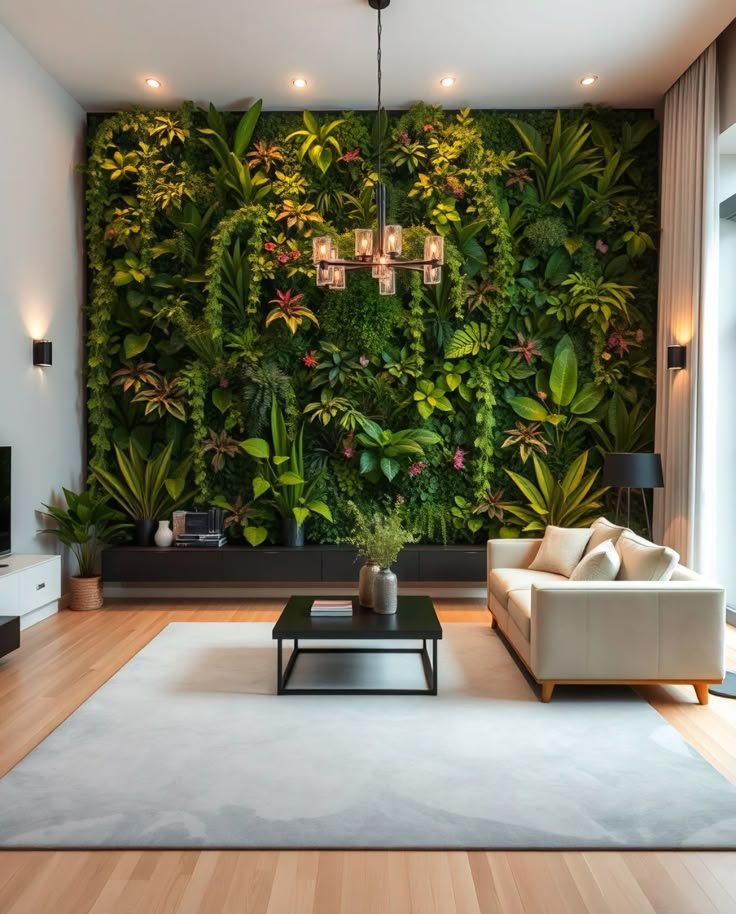
A plant wall turns an empty surface into a living, breathing ecosystem. It’s one of the most visually impactful indoor gardening ideas.
Why it boosts mood:
- Surrounding yourself with greenery reduces mental fatigue
- Large visual green areas improve emotional balance
- Creates a “natural escape” feeling indoors
best plants for plant walls:
- Ferns
- Pothos
- Philodendrons
- Peace lily
design layout example:
top row: trailing plants (pothos, ivy)
middle row: leafy plants (philodendron, peace lily)
bottom row: compact plants (ferns, moss)
mood impact chart:
| feature | emotional effect |
|---|---|
| dense greenery | relaxation |
| vertical growth | energy uplift |
| natural texture | stress reduction |
Even a small 3–5 panel plant wall can significantly improve room atmosphere.
idea 7: aromatic indoor garden for emotional balance
Scent is one of the fastest triggers of emotional response. An aromatic indoor garden focuses on plants that release calming or uplifting fragrances.
Best aromatic plants:
- Lavender
- Jasmine
- Mint
- Rosemary
why it works quickly:
- Smell directly affects brain limbic system
- Aromas trigger relaxation or alertness instantly
- Enhances sleep quality and focus
aroma effect table:
| plant | scent type | mood effect | best time to use |
|---|---|---|---|
| lavender | floral | calming | evening |
| jasmine | sweet | uplifting | night |
| mint | fresh | energizing | morning |
| rosemary | herbal | focus-enhancing | daytime |
Placing aromatic plants near your workspace or bedside can create immediate emotional shifts depending on your needs.
how indoor gardening boosts mood scientifically
Indoor plants influence mental health in several measurable ways. They reduce stress hormones, improve air quality, and provide a sense of routine.
psychological benefits overview:
| factor | effect on mood |
|---|---|
| green color exposure | reduces anxiety |
| plant care routine | increases mindfulness |
| natural scent | improves relaxation |
| visual softness | reduces mental fatigue |
Even short interactions—like watering or trimming—can produce noticeable emotional relief.
simple weekly indoor gardening routine
| day | activity | mood benefit |
|---|---|---|
| monday | check soil moisture | grounding |
| tuesday | mist plants | calming refresh |
| wednesday | rotate pots for sunlight | engagement |
| thursday | prune leaves | satisfaction |
| friday | fertilize if needed | care fulfillment |
| saturday | harvest herbs | reward feeling |
| sunday | observe growth | relaxation |
keeping consistency matters more than intensity.
common beginner mistakes
| mistake | solution |
|---|---|
| overwatering | check soil before watering |
| poor lighting | move plants closer to windows |
| too many plants at once | start small |
| ignoring plant type needs | research each plant briefly |
| inconsistent care | set reminders |
Indoor gardening should feel supportive, not stressful.
closing thoughts
Indoor gardening is one of the simplest ways to improve emotional well-being without major lifestyle changes. You don’t need a garden, expensive equipment, or expert knowledge. Even one plant on your desk can subtly shift your mood throughout the day.
The key is to start small and choose plants that match your environment. Over time, these small green companions become part of your routine, your focus breaks, and even your emotional stability.
In a world that feels increasingly fast and digital, indoor plants bring back something essential—slowness, care, and presence.
frequently asked questions
- how fast can indoor plants improve mood?
Many people notice a calming effect within minutes of interacting with plants, especially through scent or visual exposure. - what is the easiest indoor plant for beginners?
Pothos and mint are among the easiest because they grow quickly and require minimal care. - do indoor plants really reduce stress?
Yes, studies show that interacting with plants can lower cortisol levels and improve relaxation. - how many plants should I start with indoors?
Start with 2–3 plants. This keeps care manageable and prevents overwhelm. - can indoor plants grow without sunlight?
Some plants tolerate low light, but most still need indirect natural light or grow lights. - what is the best plant for a bedroom?
Lavender, jasmine, and snake plants are popular choices due to their calming and air-quality benefits.