
Introduction
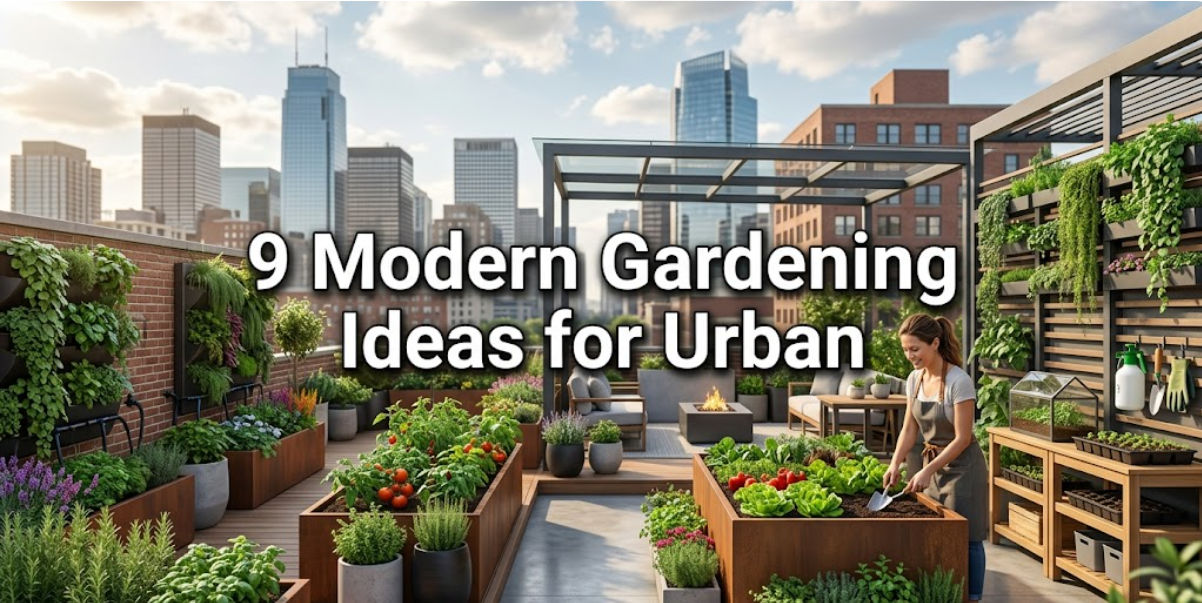
Urban living has reshaped how people interact with nature. With limited space, concrete surroundings, and fast-paced lifestyles, many city dwellers assume gardening is out of reach. However, modern gardening has evolved dramatically. Today, even a small apartment balcony, rooftop, or indoor corner can be transformed into a lush green space.
Modern urban gardening is not just about decoration—it’s about sustainability, mental well-being, air quality, and even food production. From vertical systems to smart hydroponics, innovative gardening techniques are helping city residents reconnect with nature in compact, efficient ways.
This article explores 9 modern gardening ideas for urban homes, complete with practical explanations, comparison tables, and design charts to help you build your own green sanctuary.
- Vertical wall gardens for compact spaces
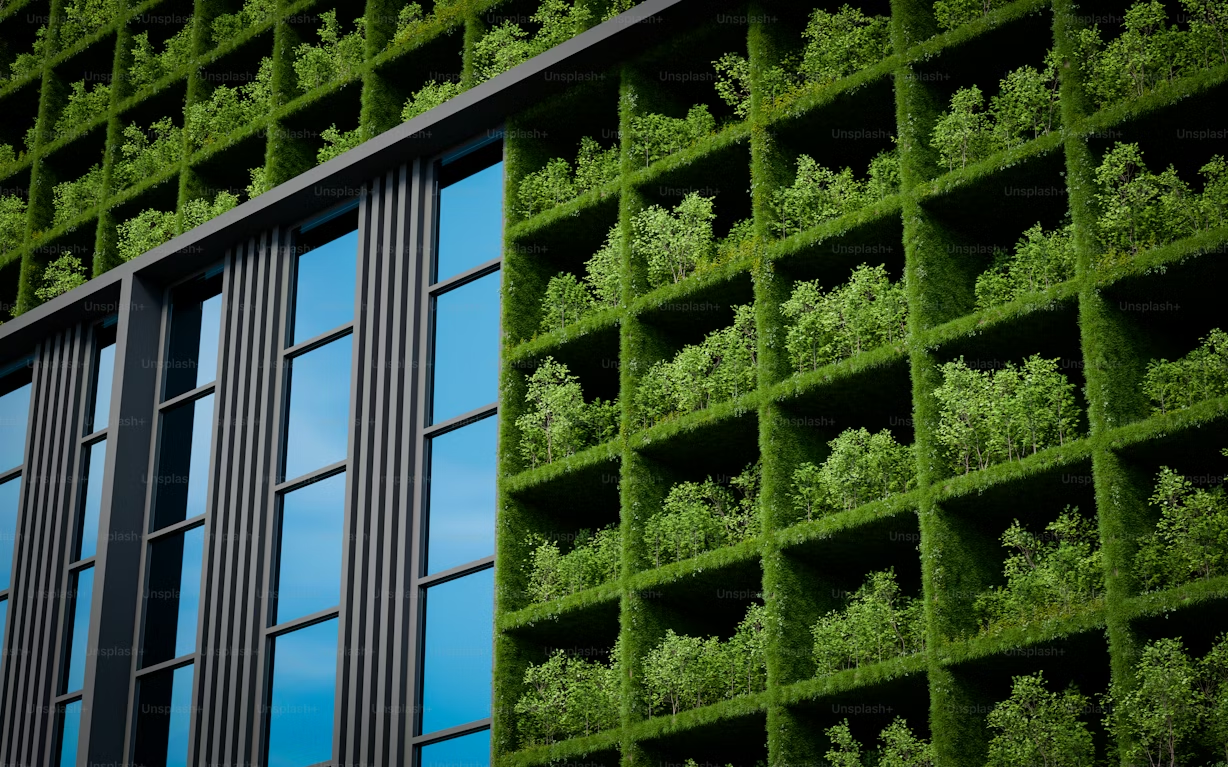
Vertical gardening is one of the most popular solutions for urban homes where floor space is limited. Instead of expanding outward, plants grow upward on walls, panels, or modular systems.
Why it works in cities:
- Maximizes limited space
- Improves indoor air quality
- Creates natural wall insulation
- Enhances interior aesthetics
Best plants for vertical gardens:
- Pothos
- Ferns
- Spider plants
- Herbs like basil and mint
- Small flowering plants
Vertical garden system comparison:
| System Type | Cost Level | Maintenance | Best For |
|---|---|---|---|
| Pocket panels | Low | Medium | Beginners |
| Modular planters | Medium | Low | Apartments |
| Hydro wall systems | High | Low | Smart homes |
Space efficiency chart:
Vertical garden usage efficiency:
Traditional pots: ███████ 70%
Vertical wall: ██████████ 95%
- Balcony container gardening for city apartments
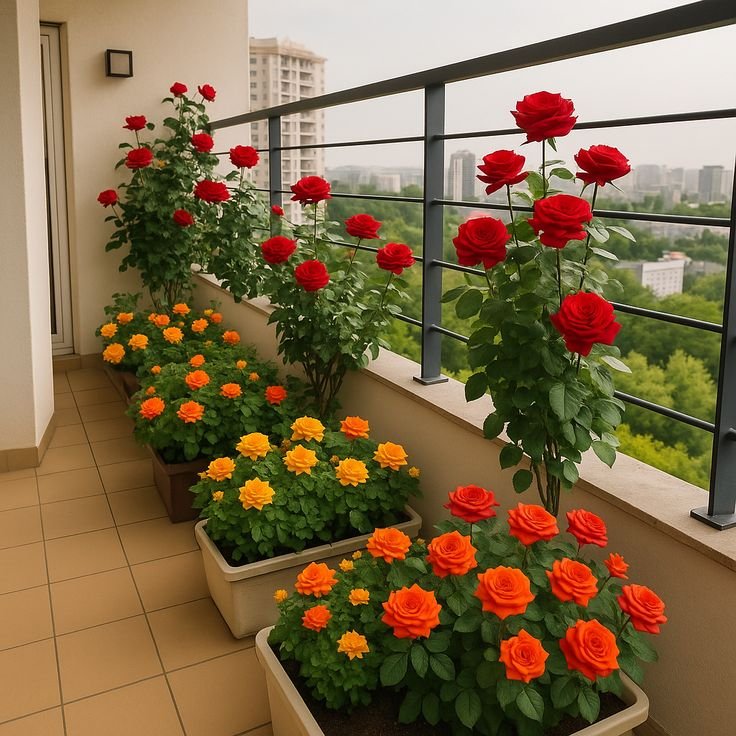
Balcony gardening turns small outdoor spaces into productive mini gardens using pots, boxes, and hanging containers.
Advantages:
- Fully customizable layout
- Easy relocation of plants
- Suitable for sunlight management
- Works in rented apartments
Best balcony plants:
- Tomatoes
- Chilies
- Basil
- Petunias
- Dwarf citrus trees
Layout idea:
Sun-facing railing → flowering plants
Corner zone → herbs
Floor containers → vegetables
Hanging baskets → trailing plants
Container comparison table:
| Container Type | Durability | Water Retention | Aesthetic Value |
|---|---|---|---|
| Plastic pots | Medium | High | Medium |
| Ceramic pots | High | Medium | High |
| Fabric grow bags | Medium | High | Low |
- Indoor hydroponic systems for soil-free gardening
Hydroponics is a soil-less gardening method where plants grow in nutrient-rich water solutions. It is ideal for modern urban homes with limited soil access.
Benefits:
- Faster plant growth
- Uses 90% less water
- No soil mess indoors
- Year-round production
Common hydroponic setups:
- Nutrient film technique (NFT)
- Deep water culture (DWC)
- Wick systems
Growth efficiency chart:
Hydroponic systems: ██████████ 95%
Soil gardening: ███████ 70%
Best plants:
- Lettuce
- Spinach
- Basil
- Kale
- Mint
- Smart gardening with automated irrigation
Technology has entered gardening through smart irrigation systems that automatically control watering schedules using sensors and timers.
Features:
- Soil moisture detection
- App-based control
- Water-saving automation
- Weather-based adjustments
System comparison:
| System Type | Efficiency | Cost | Ease of Use |
|---|---|---|---|
| Manual watering | Low | Low | Medium |
| Drip irrigation | High | Medium | High |
| Smart irrigation | Very High | High | Very High |
Water usage reduction:
Traditional watering: ██████████ 100%
Smart irrigation: ██████ 50–60%
- Mini rooftop gardens for urban rooftops
Rooftop gardening transforms unused roof space into productive green zones.
Advantages:
- Reduces building heat
- Improves insulation
- Creates relaxation space
- Supports urban biodiversity
Ideal rooftop plants:
- Grass lawns (lightweight)
- Herbs
- Vegetables
- Small fruit plants
Design zones:
Relaxation corner → seating + shade
Growing zone → vegetables
Water zone → small fountain or drip system
Roof load consideration chart:
Light plants: ██████ Low load
Medium plants: ███████ Medium load
Heavy planters: █████████ High load (structural check needed)
- Smart indoor plant corners for aesthetic homes
Indoor plant corners are curated plant arrangements designed to enhance interior design.
Popular setups:
- Living room plant corners
- Bedroom oxygen zones
- Office desk greenery
Best indoor plants:
- Snake plant
- Peace lily
- ZZ plant
- Rubber plant
Air purification effectiveness:
Snake plant: █████████ High
Peace lily: ████████ Medium-high
Spider plant: ███████ Medium
Design tip:
Use layered heights (floor + table + hanging) for visual depth.
- Self-watering planter systems for busy lifestyles
Self-watering systems reduce the need for constant maintenance by using reservoirs that supply water gradually.
Advantages:
- Prevents overwatering
- Ideal for working professionals
- Reduces plant stress
Types:
- Built-in reservoir pots
- Wick-based systems
- Capillary mats
Comparison table:
| System Type | Maintenance | Cost | Efficiency |
|---|---|---|---|
| Wick system | Low | Low | Medium |
| Reservoir pots | Very Low | Medium | High |
| Smart pots | Very Low | High | Very High |
- Urban edible gardens for fresh home produce
Urban edible gardening focuses on growing food in limited city spaces.
Common edible setups:
- Kitchen herb trays
- Balcony vegetable racks
- Rooftop food gardens
Best crops for urban homes:
- Tomatoes
- Green chilies
- Lettuce
- Radishes
- Herbs
Food yield chart (monthly estimate):
Herbs: █████████ High frequency harvest
Leafy greens: ████████ Medium-high yield
Fruits: █████ Low-medium yield
Benefits:
- Reduces grocery cost
- Ensures chemical-free food
- Promotes healthy eating
- Decorative moss and terrarium gardens
Terrariums are small enclosed glass gardens that require minimal maintenance and add aesthetic value to indoor spaces.
Types:
- Closed terrariums (humid plants)
- Open terrariums (dry plants)
- Moss gardens
Best plants:
- Moss
- Ferns
- Air plants
- Fittonia
Maintenance chart:
Closed terrarium: █ Low maintenance
Open terrarium: ███ Low-medium
Moss garden: ██ Very low
Design appeal:
- Artistic glass containers
- Miniature landscapes
- Desk-friendly greenery
Final comparison of all gardening ideas
| Idea | Space Required | Cost | Maintenance | Impact |
|---|---|---|---|---|
| Vertical gardens | Low | Medium | Medium | High |
| Balcony gardening | Low | Low | Medium | High |
| Hydroponics | Low | High | Low | Very High |
| Smart irrigation | Low | High | Very Low | Very High |
| Rooftop gardens | High | Medium | Medium | High |
| Indoor plant corners | Low | Low | Low | Medium |
| Self-watering systems | Low | Medium | Very Low | High |
| Edible gardens | Medium | Medium | Medium | Very High |
| Terrariums | Very Low | Low | Very Low | Medium |
Conclusion
Urban gardening is no longer a luxury—it is a practical lifestyle solution for modern city living. Even in the smallest apartments, thoughtful design and smart gardening systems can create refreshing green environments.
Whether you choose hydroponics, balcony gardens, or vertical green walls, each method offers a unique way to reconnect with nature, improve air quality, and enhance mental well-being.
FAQs
- What is the best gardening idea for small urban apartments?
Vertical gardening and balcony container gardening are the most space-efficient options. - Is hydroponic gardening expensive to start?
It can be slightly costly initially, but it saves water and yields faster plant growth. - Can I grow vegetables indoors in an apartment?
Yes, using hydroponics, containers, or sunny indoor corners. - What is the lowest maintenance gardening method?
Terrariums and self-watering planter systems require the least maintenance. - How do I start a rooftop garden safely?
Ensure structural load capacity, use lightweight soil, and install proper drainage systems. - Which plants improve indoor air quality the most?
Snake plant, peace lily, spider plant, and rubber plant are highly effective.