
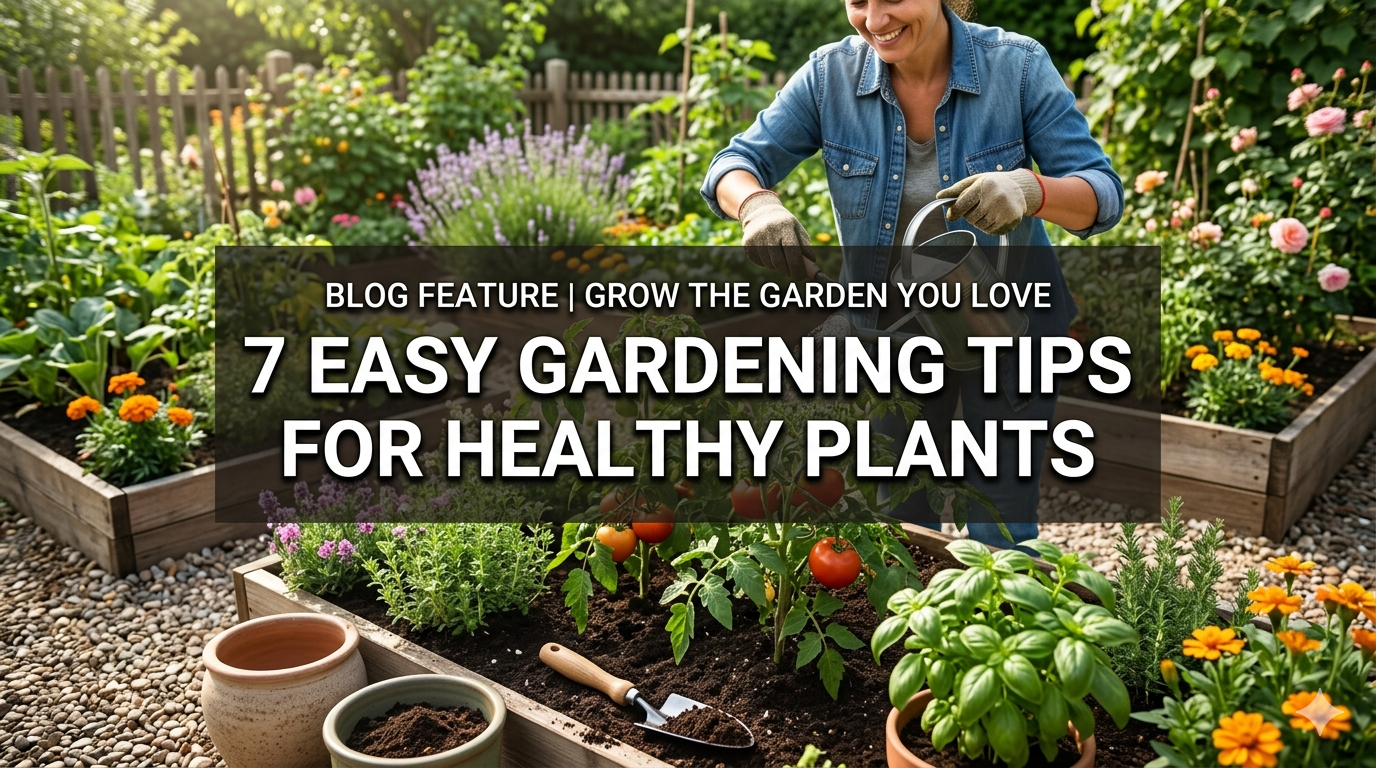
Healthy plants don’t happen by accident. They are the result of consistent care, smart habits, and a basic understanding of what plants actually need to thrive. While gardening may seem complex at first, most plant health issues come down to a handful of avoidable mistakes: poor watering habits, weak soil, wrong placement, or lack of observation.
The good news is that you don’t need advanced skills or expensive tools to grow strong, vibrant plants. With a few simple adjustments, even beginners can dramatically improve plant health and growth.
This guide breaks down seven easy, practical gardening tips that consistently produce healthier plants, along with tables and structured insights to make application easier.
- understand your plant’s light needs before placement
One of the most common beginner mistakes is placing all plants in the same lighting conditions. Every plant has different sunlight requirements, and ignoring this leads to weak growth, yellowing leaves, or stunted development.
Light requirement categories:
Light type Description Example plants
Full sun 6+ hours direct sunlight Tomatoes, roses, peppers
Partial sun 3–6 hours sunlight Mint, basil, spinach
Shade Indirect or filtered light Ferns, snake plants, peace lily
Light placement effectiveness:
Placement choice Plant health outcome
Random placement Low performance
Basic grouping Medium performance
Light-based placement High performance
Why this matters:
Plants use sunlight for photosynthesis. Incorrect placement reduces energy production, which directly affects growth and resilience.
Simple habit:
Observe your space at different times of the day before placing plants permanently.
- water deeply but less frequently
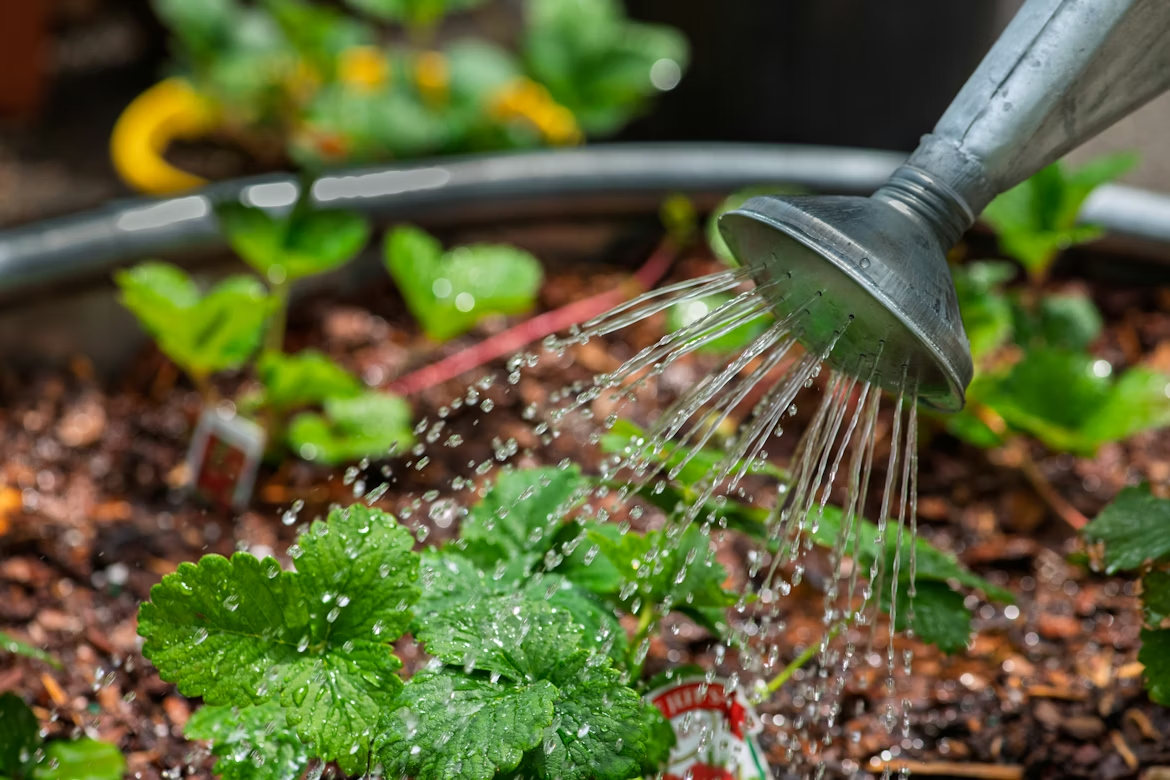
Overwatering is one of the leading causes of plant failure. Many beginners water daily without checking soil moisture, which suffocates roots and encourages disease.
Correct watering principle:
Water deeply so moisture reaches the root zone, then allow soil to partially dry before watering again.
Watering comparison:
Watering style Result
Frequent shallow Weak roots, stress-prone plants
Deep infrequent Strong root development
Irregular watering Unstable growth
Soil moisture guide:
Soil condition Action
Dry top layer Water needed
Moist soil Wait
Wet soil Do not water
Why it works:
Deep watering encourages roots to grow downward, making plants more drought-resistant and stable.
- use nutrient-rich soil instead of regular garden dirt
Soil is not just a planting medium—it is the foundation of plant health. Poor soil leads to weak plants even if everything else is done correctly.
Ideal soil components:
- Organic compost
- Coco peat or peat moss
- Perlite or sand for drainage
- Natural fertilizers
Soil quality comparison:
Soil type Plant health impact
Plain garden soil Low to medium
Compost-rich mix High
Customized mix Very high
Soil function breakdown:
Component Purpose
Compost Nutrients
Coco peat Moisture retention
Sand/perlite Drainage
Why this matters:
Healthy soil provides nutrients, oxygen, and water balance—all essential for root function.
- feed plants with natural fertilizers regularly
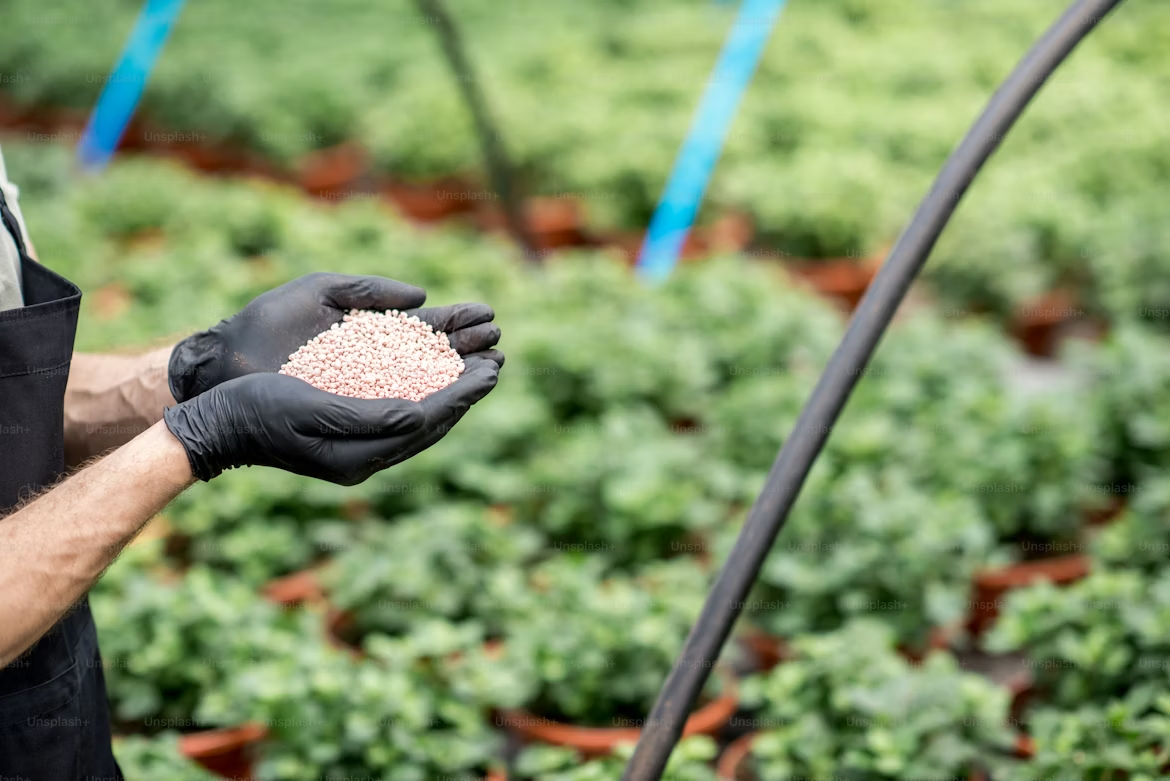
Plants need nutrients just like humans need food. Over time, soil loses its fertility, especially in pots or containers.
Natural fertilizer options:
- Compost tea
- Banana peel extract
- Eggshell powder
- Vermicompost
Nutrient source chart:
Fertilizer type Main benefit
Banana peel Potassium boost
Eggshells Calcium supply
Compost Balanced nutrition
Feeding schedule guide:
Plant type Frequency
Leafy greens Every 2–3 weeks
Flowering plants Every 2 weeks
Fruiting plants Weekly to biweekly
Why it works:
Natural fertilizers improve soil biology, which enhances long-term plant health instead of just quick growth spikes.
- ensure proper spacing between plants
Crowded plants compete for light, nutrients, and airflow. This leads to weak growth and increased risk of disease.
Spacing recommendations:
Plant type Recommended spacing
Herbs 10–20 cm
Vegetables 30–60 cm
Large plants 60+ cm
Spacing impact chart:
Spacing level Result
Overcrowded Poor airflow, disease risk
Moderate spacing Balanced growth
Proper spacing Strong healthy plants
Why spacing matters:
Good spacing improves air circulation, reduces fungal growth, and ensures each plant receives adequate resources.
- prune regularly to encourage new growth
Pruning is often misunderstood as cutting plants unnecessarily. In reality, it helps plants grow stronger and healthier.
Pruning benefits:
- Removes dead or diseased parts
- Encourages new shoots
- Improves airflow
- Shapes plant structure
Pruning frequency guide:
Plant type Pruning need
Herbs Frequent
Flowering plants Moderate
Trees/shrubs Seasonal
Pruning effectiveness:
Action Result
No pruning Overgrown, weak structure
Occasional pruning Healthy but slower shaping
Regular pruning Strong, controlled growth
Why it works:
Plants redirect energy from damaged or old parts to new growth when pruned correctly.
- observe plants regularly for early problem detection
Many plant problems become serious only because they are noticed too late. Regular observation helps catch issues early.
What to check:
- Leaf color changes
- Insect activity
- Soil dryness
- Growth patterns
Plant health checklist:
Check item Healthy sign
Leaves Green and firm
Soil Moist but not soggy
Stems Strong and upright
Observation effectiveness chart:
Frequency Plant health outcome
Rare High risk of issues
Weekly Moderate control
Daily Excellent prevention
Why it matters:
Early detection prevents small issues from becoming irreversible damage.
combined plant health improvement overview
Here is how each tip contributes to overall plant health:
Tip Impact level
Light placement Very high
Watering method Very high
Soil quality Very high
Natural fertilization High
Proper spacing High
Pruning High
Observation Very high
Overall insight:
Plant health improves most when multiple basic habits are combined consistently.
simple healthy plant routine example
A beginner-friendly weekly routine:
Day Task
Monday Water check + observation
Wednesday Light pruning
Friday Fertilizer application
Daily Quick visual inspection
Why routines help:
Consistency is more important than intensity in gardening success.
faqs
- what is the most important factor for healthy plants?
Soil quality and proper watering are the two most important factors, followed closely by correct sunlight exposure. - how often should i water my plants?
There is no fixed schedule. Water only when the top layer of soil feels dry. - can I use regular soil from my yard for plants?
You can, but mixing it with compost and drainage materials greatly improves plant health. - how do I know if my plant is getting too much sunlight?
Signs include scorched leaves, fading color, and dry edges. - is pruning necessary for all plants?
Not all, but most plants benefit from occasional pruning to remove dead parts and encourage growth. - what is the easiest way to start healthy gardening as a beginner?
Focus on three basics first: good soil, correct watering, and proper sunlight placement.
final thoughts
Healthy plants are not the result of complicated techniques—they come from simple, consistent care. When you understand how light, water, soil, and spacing work together, gardening becomes far more predictable and enjoyable.
By applying even a few of these seven tips, you can transform weak or struggling plants into strong, vibrant growth over time.