
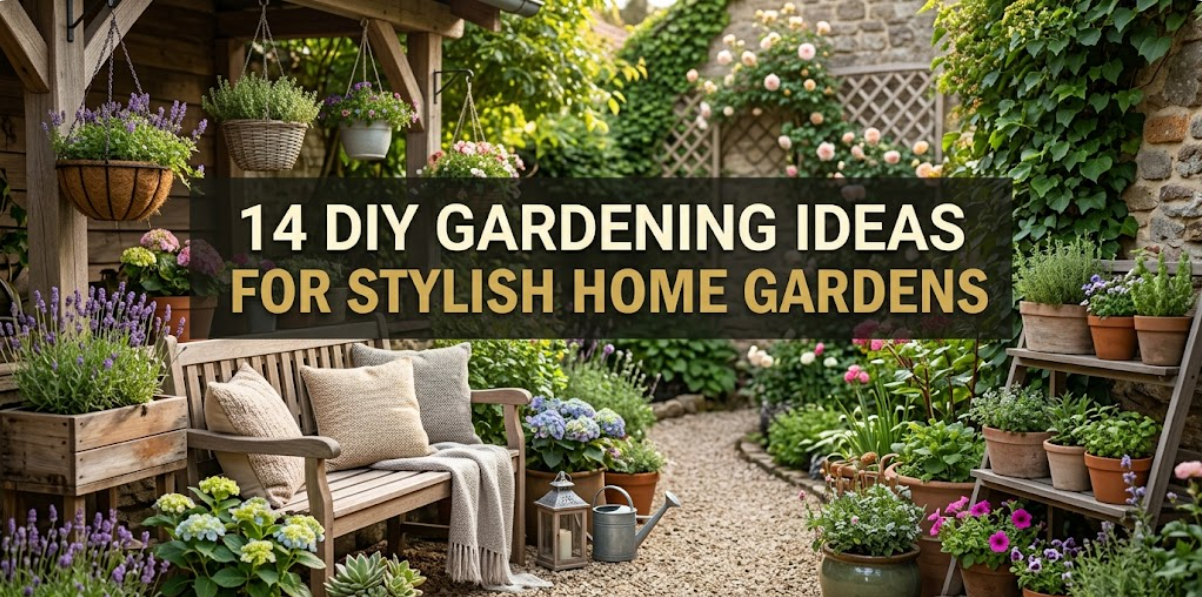
There’s something quietly satisfying about stepping into a garden that reflects your personality. Not a showroom-perfect landscape, but a space that feels lived-in, thoughtful, and unmistakably yours. The appeal of DIY gardening lies in that blend of creativity and practicality—using what you have, experimenting a little, and watching your ideas take root.
This guide walks through 14 DIY gardening ideas that elevate everyday outdoor spaces into stylish, functional gardens. These ideas don’t require professional landscaping skills or massive budgets. Instead, they rely on simple materials, a bit of patience, and an eye for detail.
- vertical pallet gardens
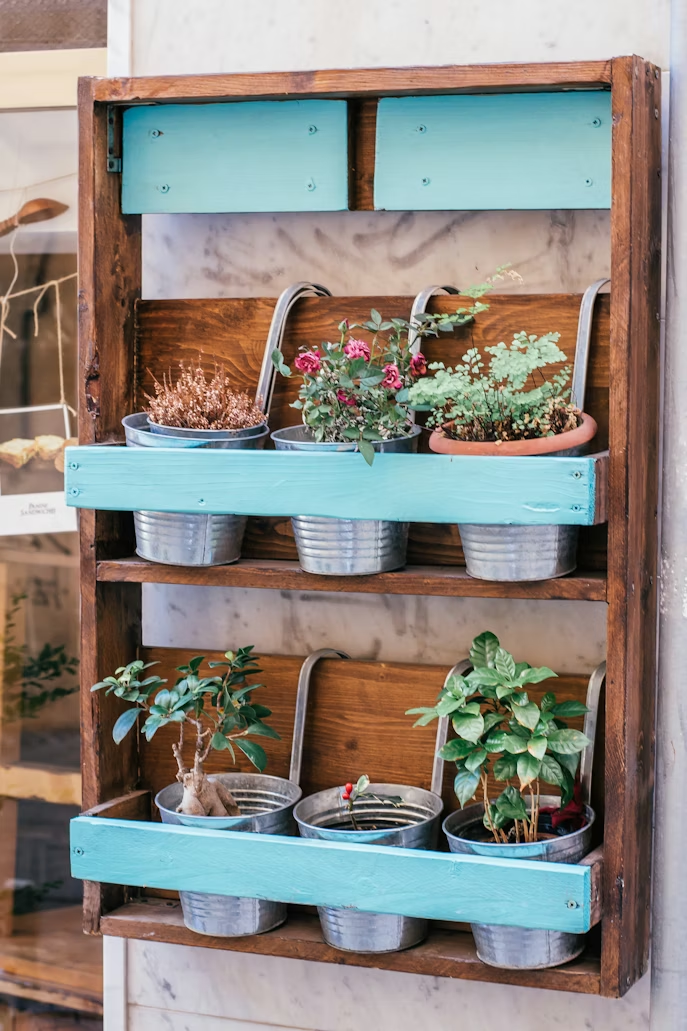
Wooden pallets are often overlooked, but they’re one of the most versatile materials for DIY gardening. With a bit of sanding, lining, and soil, you can transform a pallet into a vertical garden that saves space while adding visual interest.
Vertical gardens are particularly useful for small patios or balconies. Herbs, succulents, and even strawberries thrive in these setups.
table: pallet garden setup guide
| Step | Action | Tools Needed | Time Estimate |
|---|---|---|---|
| 1 | Clean and sand pallet | Sandpaper, brush | 1 hour |
| 2 | Attach landscape fabric | Staple gun | 30 minutes |
| 3 | Fill with soil | Garden soil | 20 minutes |
| 4 | Plant greenery | Plants, gloves | 40 minutes |
| 5 | Mount or lean vertically | Screws or support | 30 minutes |
Tip: Use darker stains or paint for a more modern, stylish finish.
- mason jar herb wall
Herbs belong close to the kitchen, and a mason jar wall garden is a practical and aesthetic solution. Attach jars to a wooden board using metal clamps, and you’ve got a rustic yet elegant herb display.
This idea works well indoors near a sunny window or outside on a wall.
chart: ideal herbs for mason jar gardening
| Herb | Sunlight Needs | Water Frequency | Growth Speed |
|---|---|---|---|
| Basil | High | Frequent | Fast |
| Mint | Medium | Moderate | Very fast |
| Thyme | Low | Low | Slow |
| Parsley | Medium | Moderate | Medium |
- painted tire planters
Old tires can be surprisingly stylish when given a makeover. A coat of paint in bold or pastel tones turns them into eye-catching planters.
Stack them, hang them, or place them individually around your garden. They’re durable, weather-resistant, and perfect for flowers or leafy plants.
Design idea: use geometric patterns or color blocking for a modern touch.
- gravel and stepping stone pathways
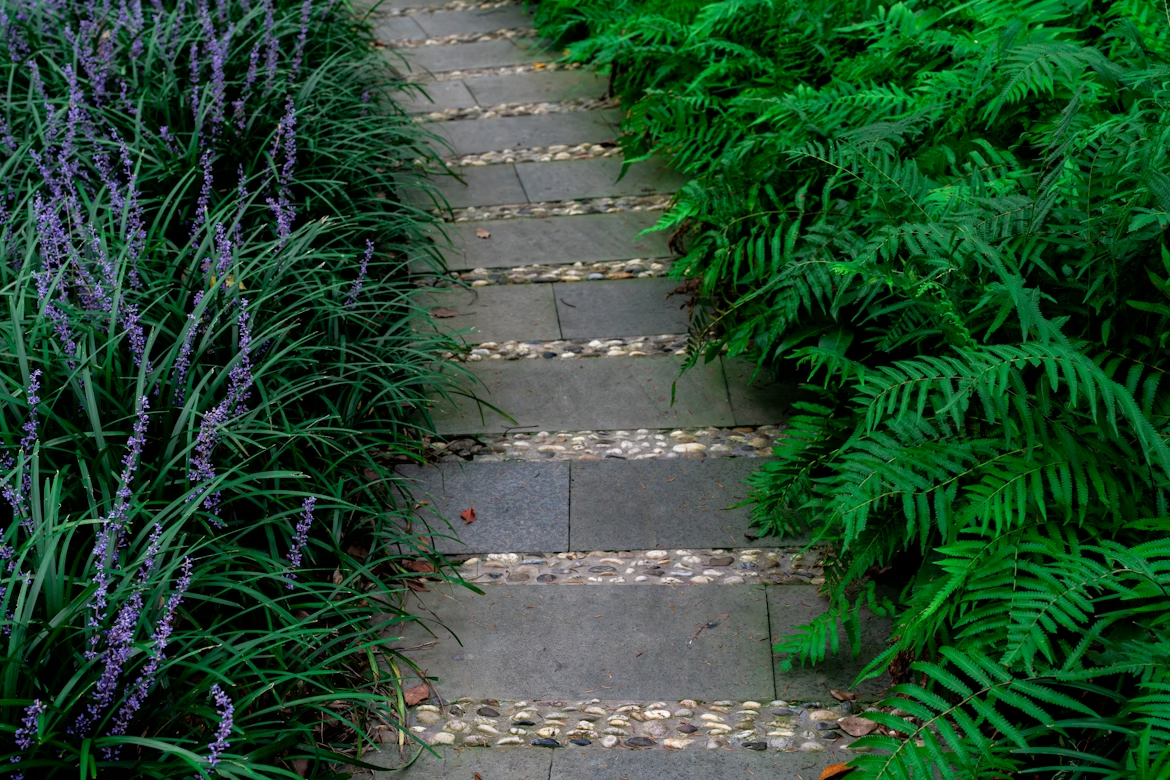
A well-designed pathway adds structure to your garden. Instead of expensive paving, use gravel combined with stepping stones.
The contrast between rough gravel and smooth stones creates a visually appealing texture. It also helps with drainage and reduces muddy areas.
table: pathway material comparison
| Material | Cost Level | Maintenance | Aesthetic Style |
|---|---|---|---|
| Gravel | Low | Low | Rustic |
| Concrete slabs | Medium | Low | Modern |
| Brick | Medium | Medium | Classic |
| Stone | High | Low | Natural |
- hanging basket clusters
Instead of a single hanging basket, create clusters at different heights. This layered look adds depth and movement to your garden space.
Use macramé hangers, metal chains, or even repurposed ropes. Mix plant types—trailing vines, flowering plants, and compact greens.
- DIY raised garden beds
Raised beds are both practical and stylish. They improve soil quality, reduce weeds, and make gardening easier on your back.
You can build them using wood, bricks, or even corrugated metal sheets.
table: raised bed dimensions
| Garden Type | Width | Height | Best For |
|---|---|---|---|
| Small backyard | 3 ft | 1 ft | Herbs, lettuce |
| Medium garden | 4 ft | 1.5 ft | Vegetables |
| Large garden | 4 ft | 2 ft | Root crops, mixed |
- bottle edging borders
Plastic or glass bottles can be reused to create decorative garden borders. Place them upside down along pathways or flower beds.
The uniform shape creates a clean edge, while colored bottles add subtle visual flair.
This idea is budget-friendly and environmentally conscious.
- outdoor mirror illusion
Mirrors aren’t just for indoors. Placing a mirror in your garden can create the illusion of depth and space.
Mount a weather-resistant mirror on a wall or fence, surrounded by plants. It reflects greenery and light, making the garden feel larger.
Tip: Choose antique or distressed frames for a stylish finish.
- DIY compost station
A stylish garden isn’t just about looks—it’s also about sustainability. Build a simple compost station using wooden crates or bins.
This reduces waste while enriching your soil naturally.
chart: compost material balance
| Material Type | Examples | Ratio Recommendation |
|---|---|---|
| Greens | Food scraps, grass | 50% |
| Browns | Dry leaves, paper | 50% |
- fairy light canopy
Lighting transforms a garden after sunset. A canopy of fairy lights creates a warm, inviting atmosphere.
String lights across poles, trees, or pergolas. Combine with lanterns or candles for layered lighting.
This idea works especially well for evening gatherings.
- repurposed ladder plant stand
An old wooden ladder can be turned into a tiered plant stand. Each step holds pots, creating vertical interest without taking up much space.
Paint or leave it weathered depending on your desired style.
- mini water feature
Water features add a calming element to any garden. You don’t need a full pond—a small DIY fountain using a container, pump, and stones works just as well.
table: simple water feature components
| Component | Purpose |
|---|---|
| Container | Holds water |
| Pump | Circulates water |
| Stones | Decorative cover |
| Tubing | Directs flow |
- herb spiral garden
A herb spiral is both functional and visually striking. Built using stones or bricks, it creates different microclimates within a small space.
The top is dry and sunny, while the bottom retains moisture—perfect for growing a variety of herbs.
- color-themed garden zones
Instead of random planting, organize your garden into color themes. For example, one section could feature purple and white flowers, while another focuses on warm tones like red and orange.
This approach creates a cohesive and intentional design.
chart: color mood guide
| Color Theme | Mood Created | Plant Examples |
|---|---|---|
| Blue/White | Calm, serene | Lavender, jasmine |
| Red/Orange | Energetic, vibrant | Marigold, geranium |
| Green | Fresh, natural | Ferns, hostas |
| Pink/Purple | Romantic, soft | Petunia, roses |
bringing it all together
A stylish garden doesn’t come from expensive materials or professional designs. It emerges from thoughtful choices, creative reuse, and a willingness to experiment. Combining several of these ideas—like pairing a vertical pallet garden with a gravel pathway and soft lighting—can dramatically transform even the simplest outdoor space.
Balance is key. Mix structure with organic growth, color with neutral tones, and function with aesthetics. Over time, your garden will evolve into something uniquely yours.
frequently asked questions
- what is the easiest DIY gardening project for beginners?
Vertical pallet gardens and mason jar herb walls are among the easiest. They require minimal tools and offer quick results. - how can I make my garden look stylish on a budget?
Focus on repurposing materials like pallets, tires, and bottles. Add lighting and organize plants thoughtfully for a polished look. - which plants are best for DIY garden setups?
Herbs, succulents, and hardy flowers like marigolds and petunias are great choices due to their low maintenance. - how do I maintain a DIY garden long-term?
Regular watering, occasional pruning, and soil care are essential. Composting also helps maintain soil quality naturally. - can DIY gardens work in small spaces?
Absolutely. Vertical gardening, hanging baskets, and compact raised beds are perfect for small areas. - how important is lighting in garden design?
Lighting plays a major role in ambiance. Even simple fairy lights can transform the look and feel of your garden at night.
A garden is never truly finished. It shifts with seasons, experiments, and small improvements over time. The beauty of DIY gardening lies in that ongoing process—where every addition tells a story and every corner reflects a bit of your imagination.