
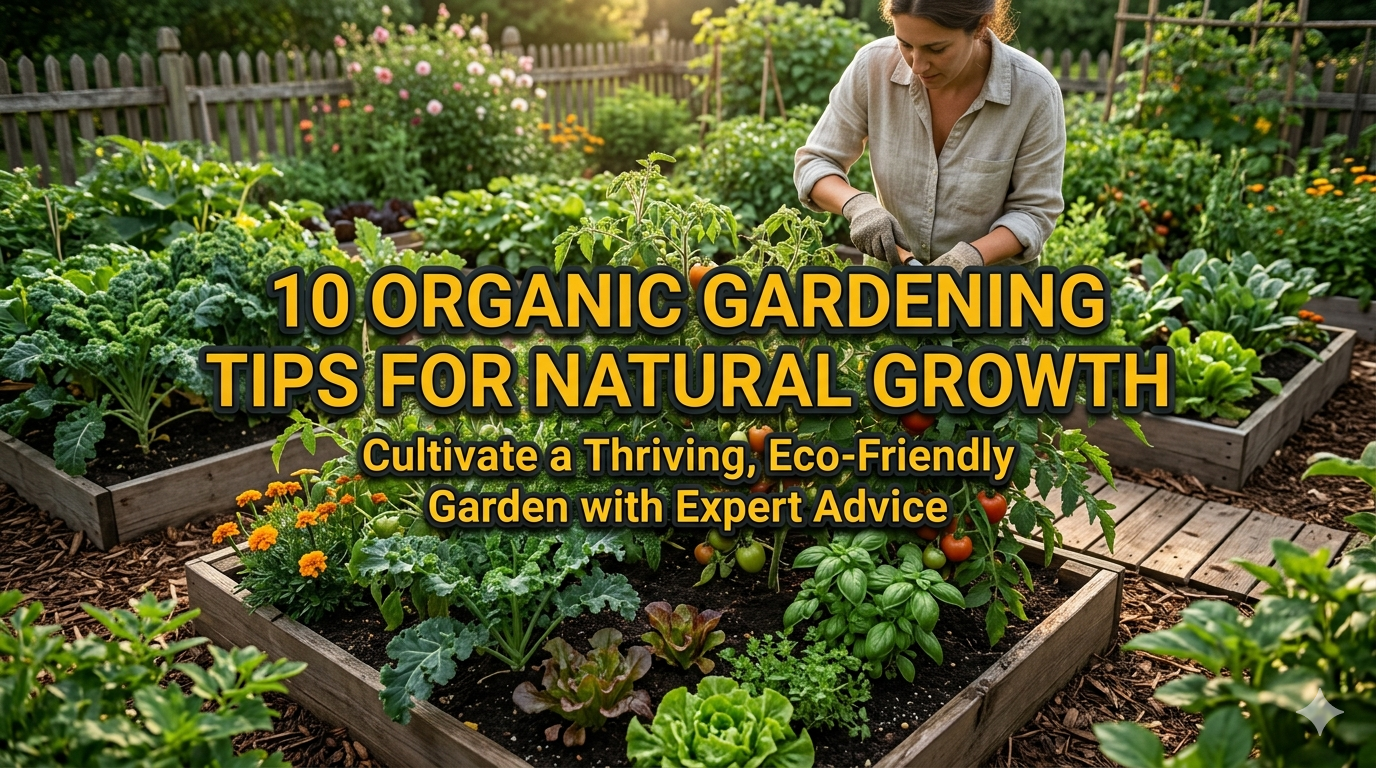
Organic gardening is less about perfection and more about balance. Instead of forcing plants to grow with chemical inputs, you work with soil, microbes, water cycles, and natural nutrients. Over time, the garden becomes a living system rather than a controlled environment.
When I first shifted to organic gardening, I expected slower growth and more effort. What I actually experienced was healthier soil, stronger plants, fewer pest problems, and a more stable garden ecosystem overall.
Below are 10 organic gardening tips that genuinely support natural growth, backed with practical breakdowns, tables, and structured comparisons.
- build healthy soil before planting anything
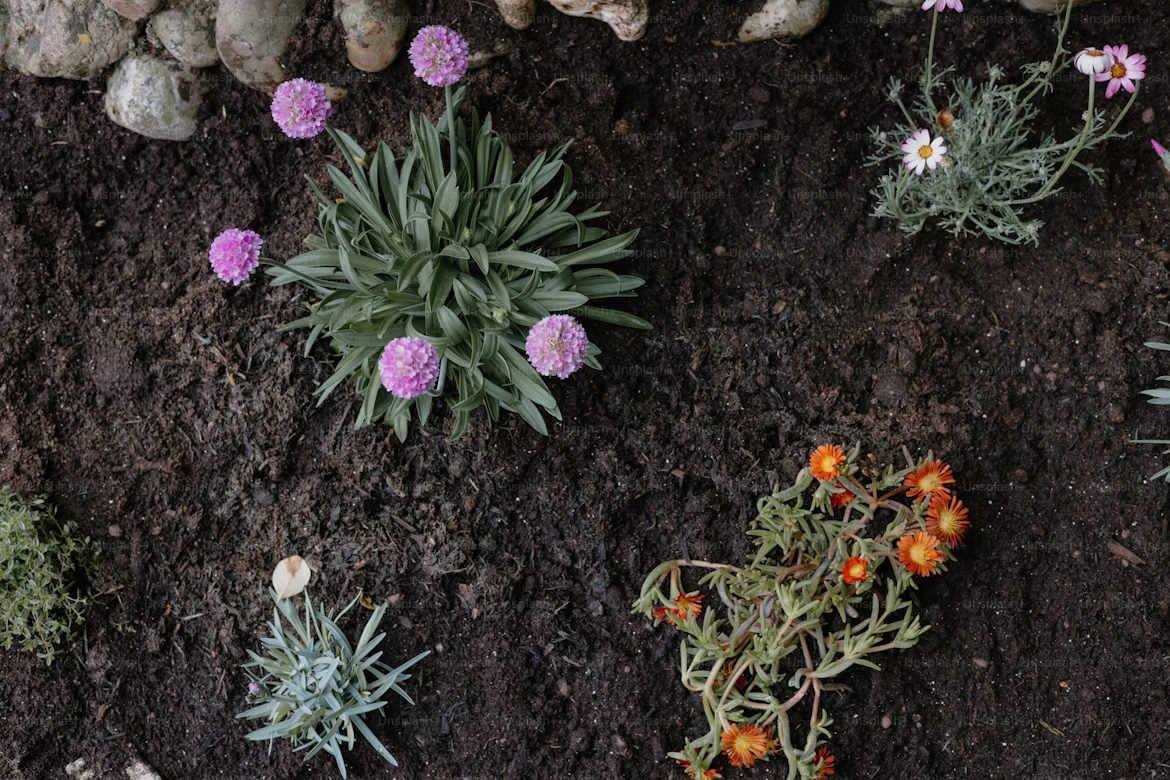
Organic gardening starts underground. Soil is not just dirt—it’s a living ecosystem full of bacteria, fungi, and organic matter.
If the soil is weak, no amount of watering or sunlight will fix plant growth.
table: soil quality indicators
| Soil Type | Texture | Plant Growth Quality |
|---|---|---|
| Sandy soil | Loose, gritty | Fast drainage, weak nutrients |
| Clay soil | Dense, sticky | Water retention, poor airflow |
| Loamy soil | Balanced | Ideal plant growth |
chart: soil health impact on plants
Poor soil: ███░░ weak growth
Moderate soil: █████░ stable growth
Healthy soil: ██████ strong growth
organic tip: mix compost, dried leaves, and kitchen waste to improve soil structure naturally.
- use compost instead of chemical fertilizers
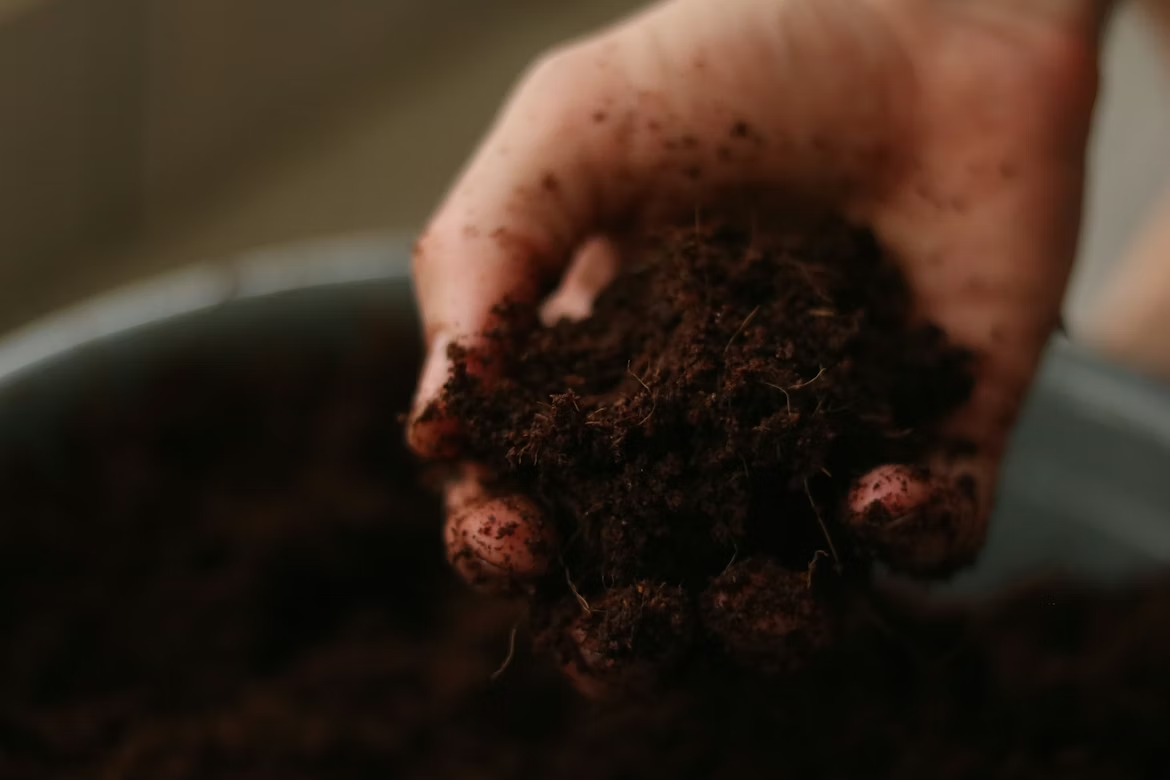
Compost is the heart of organic gardening. It slowly releases nutrients and improves soil structure over time.
Instead of feeding plants directly, you feed the soil, which then feeds the plant.
table: compost vs chemical fertilizer
| Factor | Compost | Chemical Fertilizer |
|---|---|---|
| Nutrient release | Slow & steady | Fast but short-term |
| Soil health | Improves | Depletes over time |
| Environmental impact | Positive | Negative |
chart: nutrient availability timeline
Chemical fertilizer: █████ immediate spike
Compost: ████░ steady long-term support
organic tip: balance green waste (vegetable scraps) and brown waste (dry leaves).
- practice crop rotation
Growing the same crop repeatedly in the same soil weakens it. Crop rotation prevents nutrient depletion and reduces pest buildup.
table: crop rotation cycle example
| Season | Crop Type | Soil Benefit |
|---|---|---|
| 1 | Leafy greens | Nitrogen use |
| 2 | Root crops | Soil loosening |
| 3 | Legumes | Nitrogen fixing |
chart: pest reduction through rotation
No rotation: █████ pest buildup
Rotation: ███░░ reduced pests
organic tip: never plant tomatoes or peppers in the same soil consecutively.
- use natural pest control methods
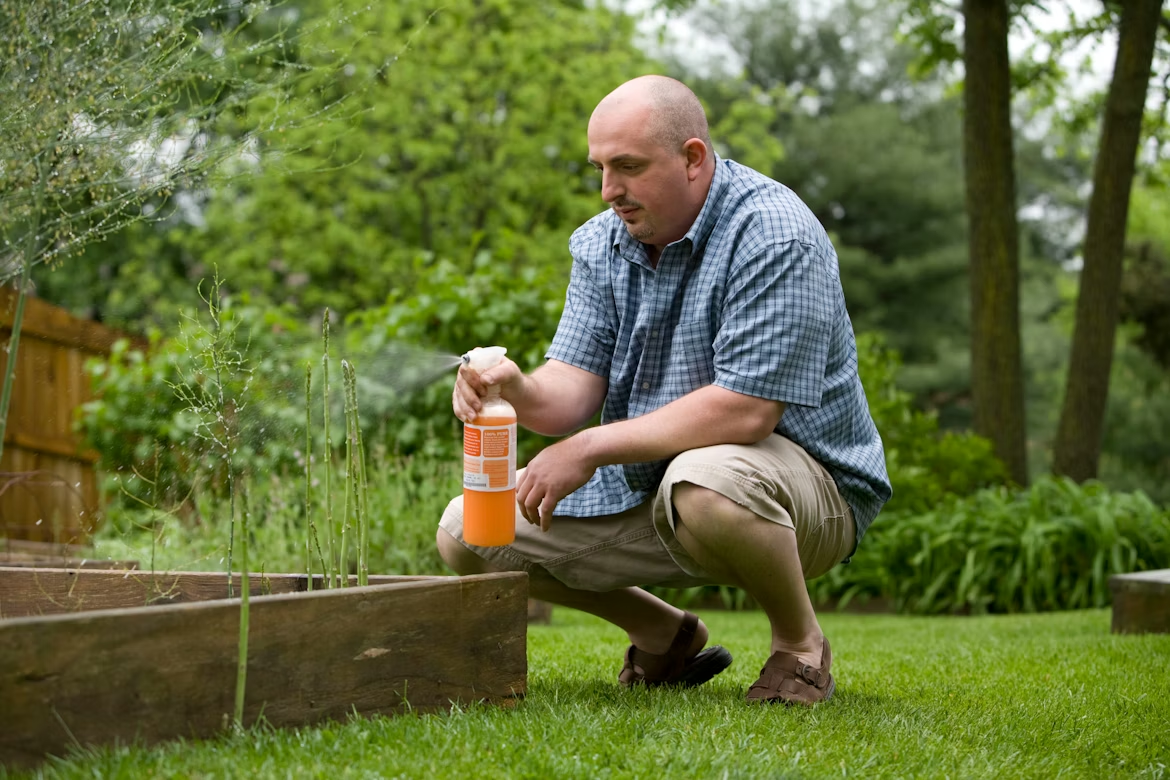
Instead of chemicals, organic gardening relies on balance—repelling pests naturally or encouraging predators like ladybugs.
table: natural pest control methods
| Method | Target Pest | Effectiveness |
|---|---|---|
| Neem oil | Aphids, mites | High |
| Garlic spray | Insects | Medium |
| Companion planting | Multiple pests | High |
chart: pest control safety comparison
Chemical sprays: ████░ harmful ecosystem
Organic methods: █████ safe ecosystem
organic tip: mix neem oil with water and mild soap for spraying.
- use companion planting for natural protection
Some plants naturally protect others. This reduces pests and improves growth without intervention.
table: companion planting pairs
| Plant A | Plant B | Benefit |
|---|---|---|
| Tomato | Basil | Pest reduction |
| Carrot | Onion | Root pest control |
| Beans | Corn | Nitrogen support |
chart: growth enhancement effect
Single planting: ████░ moderate yield
Companion planting: ██████ improved yield
organic tip: avoid planting garlic near beans.
- conserve water naturally
Organic gardening also focuses on efficient water use. Overwatering can be just as harmful as underwatering.
table: watering methods efficiency
| Method | Water Waste | Efficiency |
|---|---|---|
| Flood watering | High | Low |
| Sprinklers | Medium | Medium |
| Drip irrigation | Low | High |
chart: soil moisture retention
No mulch: ███░ dries quickly
With mulch: █████ retains moisture
organic tip: add mulch (dry leaves, straw) to reduce evaporation.
- encourage beneficial insects
Not all insects are harmful. Some actually protect your garden by controlling pests naturally.
table: beneficial insects
| Insect | Role |
|---|---|
| Ladybugs | Eat aphids |
| Bees | Pollination |
| Praying mantis | Pest control |
chart: ecosystem balance
No insects: ███ unstable
Balanced insects: █████ stable ecosystem
organic tip: avoid pesticides that kill both good and bad insects.
- grow native and climate-suited plants
Plants adapted to local conditions require less water, fertilizer, and care.
table: plant adaptation comparison
| Plant Type | Water Need | Survival Rate |
|---|---|---|
| Native plants | Low | High |
| Exotic plants | High | Medium |
chart: maintenance effort
Exotic plants: █████ maintenance needed
Native plants: ███░ low maintenance
organic tip: always choose seasonal crops suited to your region.
- recycle organic waste in the garden
Organic gardening thrives on recycling—food scraps, leaves, and plant waste all return to the soil.
table: recyclable garden waste
| Waste Type | Use Case |
|---|---|
| Vegetable peels | Composting |
| Dry leaves | Mulching |
| Grass clippings | Soil enrichment |
chart: waste reduction impact
No recycling: ███ landfill waste
With recycling: █████ sustainable cycle
organic tip: avoid meat or oily food in compost.
- allow natural growth cycles instead of forcing plants
One of the biggest mistakes in gardening is over-intervention. Organic gardening requires patience.
plants grow at their own pace depending on soil, light, and weather conditions.
table: growth style comparison
| Approach | Result Quality | Stress on Plants |
|---|---|---|
| Forced growth | Medium | High |
| Natural growth | High | Low |
chart: plant health over time
Forced growth: ████ unstable
Natural growth: █████ consistent
organic tip: observe more, interfere less.
summary of organic gardening system
table: overall benefits
| Category | Impact Level |
|---|---|
| Soil health | High |
| Plant strength | High |
| Pest control | Medium-High |
| Sustainability | Very High |
organic gardening works best when everything is interconnected rather than isolated.
how all tips connect together
Organic gardening is not a set of separate techniques—it is a cycle:
soil → compost → plants → insects → water → waste → soil again
chart: organic ecosystem loop
Soil ← Compost ← Waste
↓
Plants → Insects → Balance
When this loop stabilizes, the garden becomes self-sustaining.
frequently asked questions
- what is the main difference between organic and regular gardening?
Organic gardening avoids synthetic chemicals and focuses on natural soil and plant health systems. - how long does organic gardening take to show results?
Usually a few weeks for visible improvement and a few months for full soil transformation. - can organic gardening produce higher yields?
Yes, but it depends on soil quality and consistency of care. - is organic pest control effective?
Yes, but it works best when combined with balanced ecosystem practices. - do I need expensive tools for organic gardening?
No, most organic gardening relies on natural materials and simple tools. - can beginners start organic gardening easily?
Yes, starting with herbs and leafy greens is the easiest approach.