
Gardening often gets portrayed as either a peaceful hobby or a costly commitment. In reality, it can be both—or neither—depending on how you approach it. In 2026, smart gardening is less about doing more and more about doing things efficiently. The goal is simple: grow healthy plants while spending less time, less money, and wasting fewer resources.
This guide breaks down 12 practical gardening hacks that actually work in real-life conditions, especially for beginners and busy gardeners. Alongside explanations, you’ll find tables, planning charts, and comparison breakdowns to help you apply each idea immediately.
hack 1: reuse kitchen waste as natural fertilizer
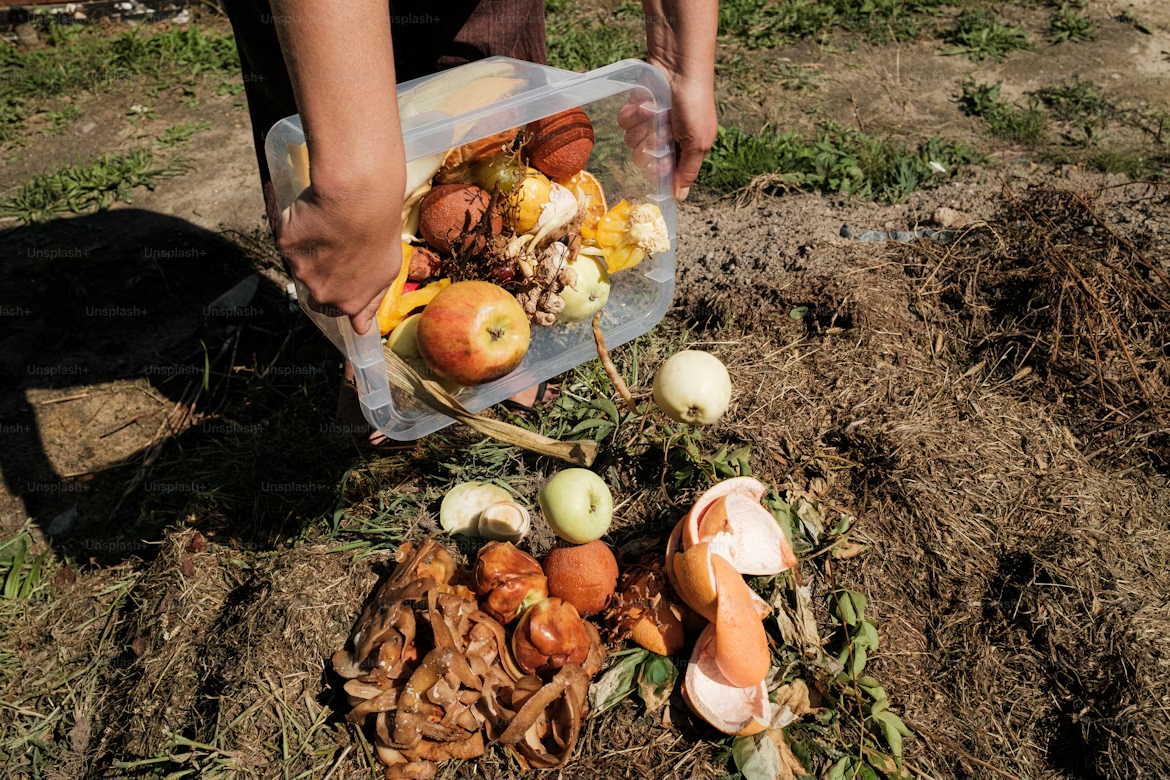
One of the biggest money drains in gardening is store-bought fertilizer. Yet, most homes already produce organic waste that can replace it completely.
what you can reuse:
- vegetable peels
- fruit scraps
- coffee grounds
- eggshells
- tea leaves
cost vs benefit comparison:
| fertilizer type | monthly cost | nutrient level | sustainability |
|---|---|---|---|
| chemical fertilizer | high | high but synthetic | low |
| store compost mix | medium | moderate | medium |
| kitchen waste compost | almost free | high (natural) | very high |
Tip: crush eggshells before adding them to soil—they release calcium slowly and improve plant strength.
hack 2: collect rainwater for free irrigation
Water bills can quietly increase gardening costs. Rainwater harvesting is one of the easiest ways to reduce this expense.
basic setup:
- plastic drum or bucket
- gutter diversion system
- mesh cover to prevent debris
benefits:
- reduces water bill
- better for plants (no chlorine)
- improves soil health
rainwater vs tap water comparison:
| factor | rainwater | tap water |
|---|---|---|
| cost | free | paid |
| chemicals | none | chlorine/minerals |
| plant response | improved growth | standard |
| soil impact | improves structure | neutral |
Even a small container can collect enough water for indoor plants and herbs.
hack 3: use companion planting for natural pest control
Instead of buying pesticides, smart gardeners use plants that protect each other.
examples:
- basil + tomatoes (repels insects)
- marigold + vegetables (keeps pests away)
- mint + cabbage (deterrent effect)
companion planting table:
| plant pair | benefit | savings impact |
|---|---|---|
| tomato + basil | pest reduction | fewer sprays needed |
| carrot + onion | root pest control | higher yield |
| cabbage + mint | insect deterrent | healthier crops |
| beans + corn | soil support | improved growth |
This reduces chemical costs and improves harvest quality naturally.
hack 4: grow from cuttings instead of buying new plants
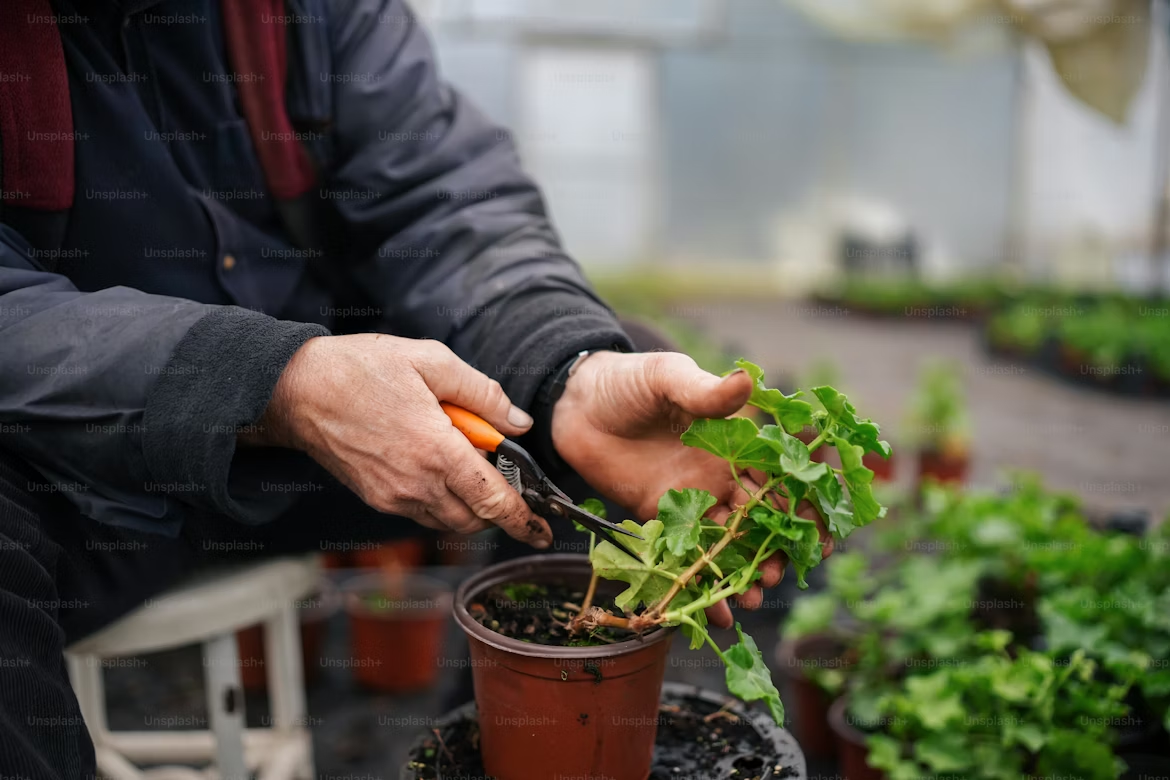
Buying new plants every season is expensive. Many plants can be grown from cuttings.
plants that grow easily from cuttings:
- mint
- basil
- rosemary
- rose
- pothos
cost comparison:
| method | cost per plant | success rate | time needed |
|---|---|---|---|
| store-bought plant | high | 100% | immediate |
| seed planting | low | moderate | weeks |
| cuttings | almost free | high | 1–2 weeks |
Cuttings are especially useful for herbs and indoor plants.
hack 5: self-watering systems for time efficiency
Watering daily can become tiring. Self-watering systems reduce effort and prevent plant stress.
simple DIY options:
- bottle drip system
- wick watering (string method)
- self-watering pots
efficiency comparison:
| system | watering frequency | effort level | cost |
|---|---|---|---|
| manual watering | daily | high | low |
| drip system | every 3–5 days | low | very low |
| self-watering pot | weekly refill | very low | medium |
This is especially helpful during travel or busy schedules.
hack 6: mulch to reduce watering and weed growth
Mulching is one of the most underrated gardening hacks. It involves covering soil with organic material.
materials used:
- dried leaves
- straw
- wood chips
- grass clippings
benefits:
- reduces water evaporation
- blocks weeds
- improves soil nutrients
mulch impact chart:
| feature | without mulch | with mulch |
|---|---|---|
| water usage | high | reduced by 30–50% |
| weed growth | frequent | minimal |
| soil temperature | unstable | stable |
Mulching also reduces how often you need to weed manually.
hack 7: use vertical gardening to maximize space
If space is limited, vertical gardening turns walls into growing areas.
options:
- hanging pots
- wall shelves
- stacked planters
- recycled bottle gardens
space efficiency comparison:
| setup type | plants per sq ft | cost efficiency |
|---|---|---|
| ground garden | low | moderate |
| container garden | medium | good |
| vertical garden | high | excellent |
This is ideal for apartments or small balconies.
hack 8: DIY compost bins instead of buying fertilizers
Commercial compost bins can be expensive, but homemade versions work just as well.
simple setup:
- plastic container or wooden crate
- air holes for ventilation
- layer green + brown waste
cost breakdown:
| option | setup cost | monthly savings |
|---|---|---|
| store fertilizer | ongoing cost | low savings |
| store compost bin | high initial | medium savings |
| DIY compost | almost zero | high savings |
Over time, compost completely replaces fertilizer needs.
hack 9: group plants with similar water needs
One common mistake is mixing plants with different watering needs.
better method: group plants by water requirement
plant grouping table:
| group | plants | watering frequency |
|---|---|---|
| low water | succulents, cactus | weekly |
| medium water | herbs, peppers | 2–3 days |
| high water | leafy greens | daily |
This reduces overwatering mistakes and saves time.
hack 10: use natural pest deterrents instead of chemicals
Chemical pesticides are expensive and harmful in the long term.
natural alternatives:
- garlic spray
- neem oil
- chili water spray
comparison:
| method | cost | safety | effectiveness |
|---|---|---|---|
| chemical spray | high | low | high |
| neem oil | medium | high | high |
| garlic/chili spray | low | high | moderate |
These solutions are safe for edible plants.
hack 11: start seeds in recycled containers
Instead of buying seed trays, reuse household items.
examples:
- egg cartons
- yogurt cups
- plastic bottles
cost savings chart:
| method | cost per tray | waste reduction |
|---|---|---|
| store trays | high | none |
| reused containers | free | high |
This hack is especially useful for large-scale planting.
hack 12: schedule gardening tasks weekly instead of daily stress
Instead of reacting daily, smart gardeners follow a structured routine.
weekly gardening planner:
| day | task | benefit |
|---|---|---|
| monday | check soil moisture | prevents overwatering |
| tuesday | light pruning | healthy growth |
| wednesday | pest check | early detection |
| thursday | fertilizing (if needed) | nutrient balance |
| friday | watering adjustment | efficiency |
| saturday | harvesting | reward cycle |
| sunday | rest/observe | planning |
This reduces mental load and improves consistency.
time vs efficiency comparison:
| approach | time spent | results |
|---|---|---|
| random care | high stress | inconsistent |
| scheduled care | low stress | stable growth |
closing thoughts
Smart gardening is not about working harder—it’s about working with nature instead of against it. Most of the cost in gardening comes from unnecessary tools, wasted water, and inefficient routines. Once you simplify your system, gardening becomes both cheaper and more enjoyable.
Even adopting just a few of these hacks can noticeably reduce your expenses and time commitment. Over months, these small changes add up to healthier plants, lower bills, and a more relaxed gardening experience.
frequently asked questions
- what is the cheapest way to start gardening?
Reusing containers, growing from cuttings, and using kitchen waste compost are the cheapest ways to begin. - how can I reduce watering costs in gardening?
Using rainwater collection systems and mulch can significantly reduce water usage. - is vertical gardening expensive to set up?
No, it can be very affordable using recycled materials like bottles, shelves, or pallets. - what is the easiest plant to grow for beginners?
Mint, basil, and pothos are among the easiest and cheapest to maintain. - how often should I fertilize my garden?
With compost, fertilizing may only be needed once every few weeks or even less. - does compost really replace fertilizer?
Yes, well-made compost provides most nutrients plants need for healthy growth.