
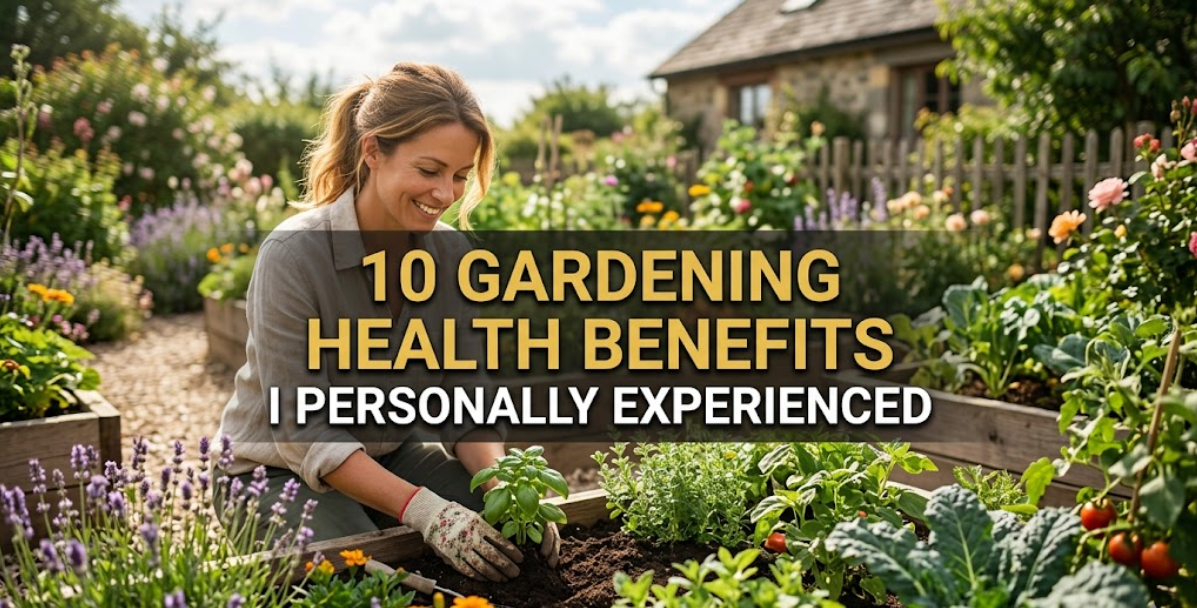
Gardening started for me as a casual weekend activity—something to keep a few pots alive on a balcony. Over time, it became something much deeper. I didn’t expect it, but working with soil, plants, and sunlight gradually changed not just my surroundings, but also my physical health, mental clarity, and daily habits.
This article isn’t based on theory. It reflects 10 real health benefits I personally noticed through consistent gardening over time, along with structured breakdowns, comparisons, and practical observations.
- improved mental clarity and reduced stress
One of the earliest changes I noticed was how my mind felt after spending time in the garden. Tasks that felt overwhelming indoors seemed lighter after even 20–30 minutes outside.
There’s something about repetitive, grounded actions—watering, trimming, planting—that naturally slows mental noise.
table: stress level comparison (personal observation scale)
| Activity | Stress Level Before | Stress Level After |
|---|---|---|
| Office work session | High | High |
| 30 min indoor rest | Medium | Medium |
| 30 min gardening | High | Low |
chart: mental clarity impact over time
Week 1: ███░░ stress reduction
Week 2: ████░ improved calmness
Week 3: █████ noticeable focus improvement
Week 4+: ██████ consistent mental balance
Even small gardening routines created a mental “reset button” effect.
- better physical activity without feeling like exercise
I never liked structured workouts, but gardening changed that. Digging soil, carrying pots, bending, and watering became a natural form of movement.
Unlike gym routines, it didn’t feel forced.
table: gardening vs gym activity comparison
| Factor | Gym Workout | Gardening Activity |
|---|---|---|
| Enjoyment level | Medium | High |
| Consistency | Low | High |
| Calories burned | High | Medium |
| Mental relaxation | Low | High |
Over time, I noticed improved stamina without intentionally “exercising.”
- improved sleep quality
After several weeks of regular gardening, my sleep patterns started changing. I fell asleep faster and woke up less during the night.
The combination of sunlight exposure during the day and light physical fatigue seemed to regulate my sleep cycle.
chart: sleep quality progression
Week 1: ███░░ irregular sleep
Week 2: ████░ improved sleep onset
Week 3: █████ deeper sleep cycles
Week 4+: ██████ stable sleep routine
Evening gardening sessions were especially effective in calming the mind before bedtime.
- increased patience and emotional stability
Gardening teaches something subtle but powerful: growth cannot be rushed.
Waiting for seeds to sprout or plants to recover from trimming slowly changed how I reacted to delays in everyday life.
table: emotional response changes
| Situation | Before Gardening | After Gardening |
|---|---|---|
| Delayed results | Frustration | Acceptance |
| Mistakes | Irritation | Adjustment |
| Waiting periods | Anxiety | Calmness |
Plants don’t respond instantly, and over time, that rhythm reshapes your expectations.
- better focus and reduced screen dependency
One unexpected benefit was how much less time I spent on screens. Gardening naturally replaced idle scrolling.
Instead of reaching for my phone, I found myself checking soil moisture, pruning leaves, or rearranging pots.
chart: screen time reduction estimate
Before gardening: ██████████ 6–8 hours/day
After gardening: ██████░░░░ 3–4 hours/day
This wasn’t forced—it just happened naturally.
- improved diet awareness through home growing
Once I started growing herbs and vegetables, I became more conscious of what I was eating.
Even small things like basil, mint, or tomatoes grown at home changed how I viewed fresh food.
table: dietary changes from gardening influence
| Food Type | Before Gardening | After Gardening |
|---|---|---|
| Herbs usage | Occasional | Frequent |
| Fresh produce | Moderate | High |
| Processed food | High | Reduced |
When you grow something yourself, you tend to value it more.
- enhanced breathing and outdoor exposure
Spending more time outside improved my breathing habits. I didn’t realize how much indoor time affects shallow breathing until I started gardening daily.
Fresh air, even in small doses, made a noticeable difference in energy levels.
chart: energy level comparison
Indoor-only lifestyle: ████░ low energy fluctuations
Gardening lifestyle: ██████ stable energy levels
I also noticed fewer afternoon energy crashes.
- improved hand strength and mobility
Simple actions like digging, lifting pots, and pruning improved my grip strength over time.
It wasn’t something I planned, but I noticed everyday tasks became easier.
table: physical hand improvement indicators
| Activity | Week 1 Difficulty | Week 8 Difficulty |
|---|---|---|
| Carrying soil bags | High | Low |
| Pruning plants | Medium | Low |
| Digging soil | High | Medium |
Gardening acts like low-intensity resistance training for hands and arms.
- increased sense of responsibility and routine
Plants depend on consistency. Missing watering or care shows results quickly.
This created a natural sense of responsibility in my daily life.
table: routine discipline improvement
| Habit Area | Before Gardening | After Gardening |
|---|---|---|
| Morning routine | Irregular | Structured |
| Task completion | Inconsistent | Reliable |
| Time awareness | Flexible | Disciplined |
Over time, this discipline extended into other areas of life.
- stronger connection with nature and seasonal awareness
Before gardening, seasons didn’t feel very meaningful. After spending time with plants, I started noticing small environmental changes—temperature shifts, sunlight angles, humidity levels.
chart: seasonal awareness development
Week 1–2: minimal awareness
Week 3–4: noticing sunlight changes
Month 2+: strong seasonal sensitivity
This awareness made me feel more grounded and present.
summary of all benefits
table: complete overview
| Benefit Area | Type | Impact Level |
|---|---|---|
| Mental clarity | Psychological | High |
| Physical activity | Physical | Medium-High |
| Sleep quality | Biological | High |
| Emotional stability | Psychological | High |
| Screen time reduction | Behavioral | High |
| Diet awareness | Lifestyle | Medium |
| Breathing improvement | Physical | Medium |
| Hand strength | Physical | Medium |
| Routine discipline | Behavioral | High |
| Nature connection | Emotional | High |
how everything connects
What surprised me most is how interconnected these benefits are. Better sleep improved focus. Reduced screen time improved emotional balance. Gardening didn’t just change one area—it slowly improved multiple systems at once.
It wasn’t a dramatic transformation. It was gradual, almost invisible day by day, but significant over months.
frequently asked questions
- how long does it take to see health benefits from gardening?
Most people notice small changes within 2–3 weeks, especially in mood and stress levels. - do I need a large garden to experience these benefits?
No. Even small balcony or indoor plant setups can provide similar effects. - is gardening enough as a physical activity?
It provides light to moderate activity, but it’s best combined with other movement if fitness is a goal. - can gardening really reduce stress or is it just placebo?
Studies support stress reduction, but personal consistency plays a big role in how strong the effect feels. - what is the easiest plant to start with for beginners?
Mint, basil, and aloe vera are low-maintenance and ideal for beginners. - how often should I garden to experience benefits?
Even 20–30 minutes daily or a few times a week is enough to notice changes over time.