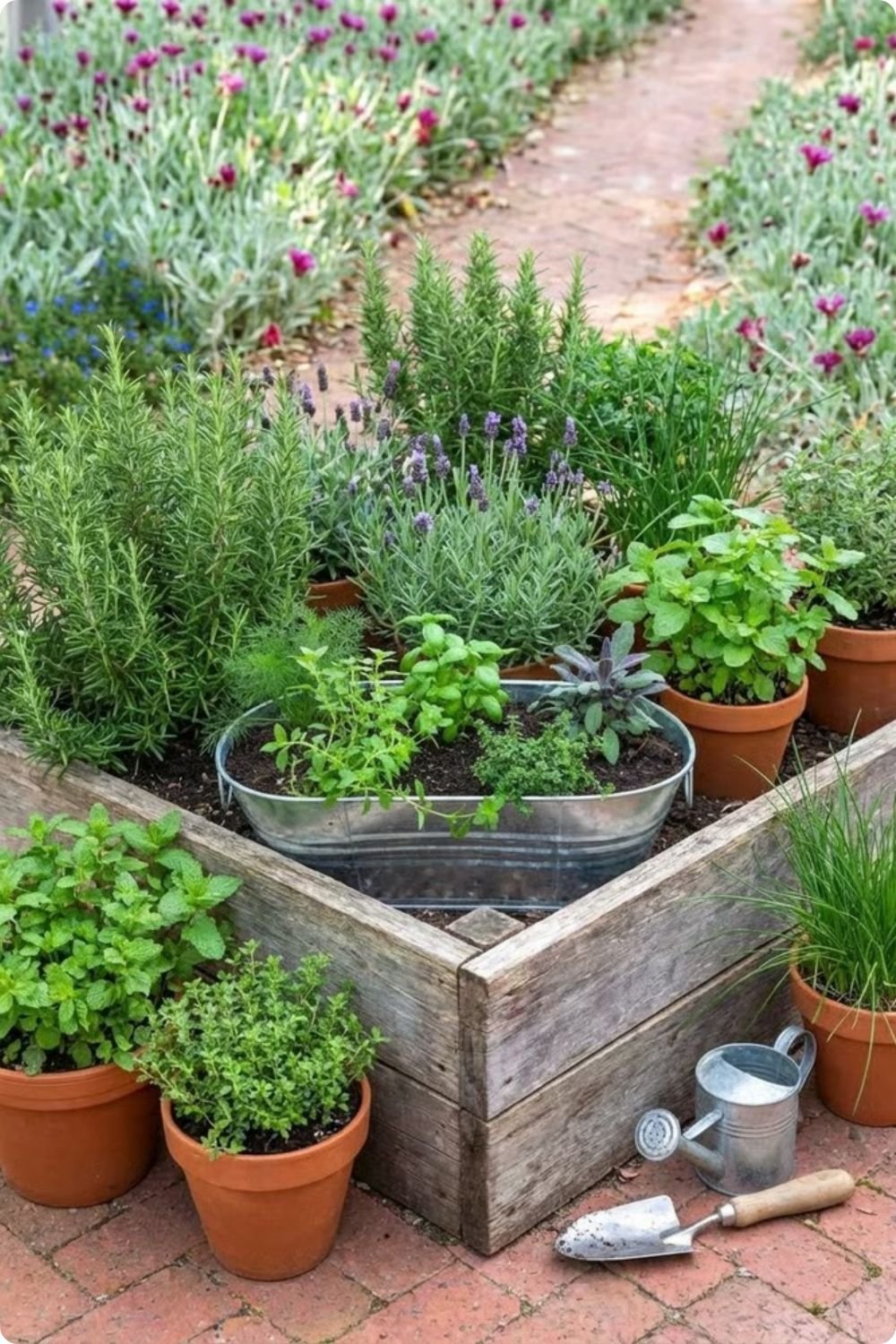
Living in the city, space is tight and time even tighter, but that doesn’t mean you have to rely solely on bottles from the drugstore for every little ache or sniffle. A few years back, crammed into a small apartment with a narrow balcony that barely fit two chairs, I decided to try something different. I started growing my own herbs, not just for cooking but as a kind of personal pharmacy right at home. The magic is in picking the fast ones – those that go from seed or cutting to usable harvest in weeks, not months. These seven have become my go-to staples. They thrive in pots, on windowsills, or squeezed onto tiny outdoor spots, and each brings real medicinal value without needing a farm or fancy setup.
What I love most is how forgiving they are for beginners like me who once killed every plant I touched. Urban life throws curveballs – limited sun, polluted air, inconsistent watering when you’re rushing out the door – but these herbs handle it. They grow quick enough that you see results fast, which keeps the motivation going. No waiting a year for roots to mature like some perennials. And the payoff? Fresh leaves for teas, poultices, or simple remedies that feel empowering. I’ve used them for everything from soothing a stressed-out evening to easing a mild stomach upset after too much takeout. Of course, these aren’t miracle cures, and I always chat with my doctor for anything serious, but as daily support or first-line helpers, they’re fantastic.
I remember my first batch of basil sprouting on the kitchen counter during a rainy week when I couldn’t get outside. Within a month, I had enough to make tea that actually helped my seasonal allergies. That success snowballed. Soon my balcony looked like a mini green oasis amid the concrete. The neighbors started asking questions, and before long, I was sharing cuttings. If you’re in a similar spot – apartment dweller, busy parent, or just curious – these seven will get you started without overwhelm. I’ll share the real-talk details: what worked for me, what flopped at first, exact growing tricks for small spaces, the health perks drawn from tradition and what science hints at, plus easy ways to turn them into usable remedies. Let’s dive in.
Basil
Basil tops my list every time. It’s one of the absolute fastest for urban setups, going from seed to first harvest in as little as three to four weeks if conditions are right. I grow sweet basil mostly, but holy basil (tulsi) has its own special spot for deeper medicinal work. In my experience, starting with seeds is cheapest and most rewarding. Fill a 6- to 8-inch pot with good potting mix – I add a handful of compost or worm castings for nutrients. Sow seeds thinly on top, press lightly, and mist to keep damp but not soggy. Place in a spot with strong light, south-facing window if possible, or supplement with a cheap LED grow light during shorter days.
Germination hits in five to ten days when the soil stays around 70 degrees. Once true leaves appear, thin to a few strong plants per pot. The secret to bushy, productive basil is pinching the tops every week or so. Snip just above a pair of leaves, and it branches out like crazy. In hot city summers, it loves the warmth but hates drying out completely, so water when the top inch feels dry. Watch for aphids – a blast of soapy water usually sorts them. Harvest by cutting stems rather than stripping leaves; it encourages more growth. I can get multiple cuts before it flowers, and once it does, I let a few go to seed for next round.
Medicinally, basil shines as an anti-inflammatory and antioxidant powerhouse. The essential oils, especially eugenol, help calm inflammation, which is why I reach for it during headaches or muscle tension after long workdays hunched over a laptop. Traditional uses go back centuries in Mediterranean and Ayurvedic practices for digestion and respiratory relief. Modern looks confirm it supports immune function and may lower blood sugar a bit. I make a simple basil tea by steeping a handful of fresh leaves in boiling water for ten minutes – add honey and lemon for flavor. It settles an upset stomach faster than plain ginger sometimes. For skin, crush fresh leaves into a paste for minor bug bites; the cooling effect is immediate.
One summer my balcony basil went wild after I forgot to pinch it early. I ended up with armfuls and tried my first homemade pesto: blend two cups leaves, garlic cloves, pine nuts or walnuts, olive oil, and a bit of parmesan. Freeze in ice cube trays for quick meals later. That batch lasted months in the freezer and tasted worlds better than store stuff. Dried basil works too – hang bunches upside down in a paper bag for a week, then crumble into jars. It keeps potency for teas through winter. In urban constraints, basil teaches patience with light; if yours stretches leggy, just move it closer to the window or add a reflector like aluminum foil behind the pot.
Warnings are straightforward: basil is safe in food amounts, but concentrated extracts or large medicinal doses aren’t for everyone, especially if pregnant or on blood thinners. Start small and listen to your body. I’ve found rotating varieties – genovese for flavor, thai for spice – keeps things interesting and extends the season. Overall, basil has been my gateway herb. It proved that even in a noisy, dusty city, something green and healing could thrive with minimal fuss.
Cilantro
Cilantro surprised me with its speed. This one is among the quickest from seed to table, often ready for light harvesting in 21 to 30 days, with full bunches by 45 days. Perfect for impatient urban gardeners who want results yesterday. I sow it directly in pots because it hates transplanting. Use a wide, shallow container – 8 to 10 inches across works great for a continuous supply. Mix in some perlite for drainage since it dislikes wet feet. Seeds go in about half an inch deep, spaced an inch apart. Keep soil moist and in a spot with four to six hours of sun; it bolts fast in intense heat, so afternoon shade helps in hot climates.
In my balcony trials, successive sowing every two weeks gave me cilantro all season without gaps. It germinates in seven to ten days if kept consistently damp. Once up, thin to three inches apart. Harvest outer leaves first, leaving the center to keep producing. When it starts flowering, that’s coriander seeds coming – bonus for pickling or grinding into spice. Pests are minimal, though slugs love young ones; a copper tape barrier around the pot rim fixed that for me.
Health-wise, cilantro acts like a gentle detoxifier. It binds to heavy metals in some studies, helping pull them out of the body, which is why it’s popular in chelation-support protocols. Loaded with vitamins A, C, K, plus antioxidants, it supports heart health, lowers anxiety in animal models, and aids digestion by reducing bloating. Traditional medicine in many cultures uses it for urinary issues and inflammation. I add handfuls to smoothies or salads daily when fresh. For a quick remedy, cilantro chutney: blend leaves, green chili, garlic, lime, and salt – spoon over rice or use as dip for gut-soothing meals.
My favorite urban hack: grow it indoors on a windowsill during cooler months when outdoor heat would make it bolt. Last winter I kept three pots rotating and never ran out for my weekly tacos. Drying isn’t ideal as flavor fades, but freezing chopped leaves in oil cubes preserves it well for cooking. The soapy taste some people notice is genetic – if that’s you, try parsley instead, but for fans, it’s addictive. Cilantro also freshens breath naturally thanks to chlorophyll.
Troubleshooting in small spaces often means fighting bolting. Pinch flower buds early if you want leaves longer. Water deeply but infrequently once established. In polluted city air, rinsing leaves before use is smart. I’ve shared seeds with friends who thought they had black thumbs, and watching their success stories come back makes it worthwhile. Cilantro proves fast doesn’t mean weak – this herb delivers potent benefits in record time.
Mint
Mint grows like it has something to prove. From a single cutting, you can have usable leaves in two weeks. It’s the ultimate fast urban herb because it spreads aggressively, but in a pot, that’s contained power. I started with peppermint and spearmint cuttings from a market bunch – just stick stems in water until roots show, then pot up. Use a 10- to 12-inch deep pot with rich, moist soil. Mint loves partial shade to full sun, but consistent moisture is key; I water when the surface dries slightly. In hot cities, it appreciates morning sun and afternoon relief.
Harvest by snipping stems above leaves; it regrows bushier. One plant can supply a family all season with regular cuts. Watch for rust or spider mites – neem spray keeps them at bay without harsh chemicals. In winter, bring pots inside near a bright window; it stays productive under grow lights.
Pharmacy value is huge for digestion. Menthol relaxes stomach muscles, easing IBS symptoms, nausea, and gas. Topical rubs with crushed leaves cool headaches or sore muscles. Tea is my nightly ritual: steep fresh sprigs for ten minutes to unwind after busy days. Studies back its antimicrobial effects for respiratory relief and even memory support in some research. I make mint-infused water for hydration or add to smoothies for a cooling boost.
Urban story: my first mint pot nearly took over the balcony until I realized it needed its own space. Now I grow it separately and use excess for homemade lip balm – melt beeswax with coconut oil and infused mint oil. Simple and effective for chapped lips. Drying bunches upside down works great for winter teas. Varieties like chocolate mint add fun flavors for kids’ remedies.
Caution: mint can interact with some medications, and excessive internal use isn’t advised for everyone. But in normal amounts, it’s gentle. The scent alone lifts mood – I keep a pot by my desk for quick sniffs during stressful calls. Mint turned my skepticism about container gardening into full commitment. It’s reliable, forgiving, and delivers fast results every time.
Lemon Balm
Lemon Balm is the calm one in the bunch, growing vigorously from seed in about four to six weeks to first harvest. It smells like lemons when brushed, which is half the joy. Start seeds indoors or direct sow in pots – surface sow since they need light to germinate. A 8-inch pot per plant is plenty; soil rich and well-drained. It handles partial shade beautifully, making it ideal for balconies with buildings blocking full sun. Water regularly to keep soil moist but not waterlogged. Pinch tops for bushiness and more leaves.
Harvest anytime after plants reach 6 inches; cut stems for tea or dry. It regrows quickly. In my experience, lemon balm self-seeds mildly in pots, giving free plants next season. Pests rarely bother it, though powdery mildew can hit in humid conditions – good airflow prevents that.
Medicinally, it’s a star for the nervous system. Citral and other compounds reduce anxiety, promote sleep, and ease mild depression. Traditional use for cold sores is backed by antiviral research – apply crushed leaves or infused oil topically. I drink lemon balm tea before bed; it gently lowers stress without grogginess. Combine with chamomile for extra soothing. Studies show it may support thyroid balance and cognitive function too.
One memorable batch helped during a particularly anxious work period. I harvested daily for fresh tea and made a simple tincture: fill a jar with leaves, cover with vodka, shake daily for six weeks, then strain. A few drops in water calmed nerves noticeably. For urban living, its lemon scent repels some insects naturally. Dry leaves in a dehydrator or air-dry for storage; they retain scent well.
I once overwatered and lost a pot to root rot – lesson learned: drainage holes are non-negotiable. Fertilize lightly with compost tea monthly for lush growth. Lemon balm pairs well with mint in mixed pots for a calming corner. It’s proof that fast-growing herbs can be gentle powerhouses for mental health in hectic city life.
Oregano
Oregano packs punch in both flavor and medicine, ready for harvest in five to seven weeks from seed or faster from cuttings. Common or Greek varieties work great in containers. Use a 6- to 8-inch pot with gritty, well-draining soil – Mediterranean herbs hate wet roots. Full sun is best, but it tolerates less in cities with reflective heat from buildings. Water sparingly once established; let soil dry between drinks. Start seeds indoors for control, or buy small plants.
Pinch frequently for dense growth. Harvest leaves before flowering for best potency. It overwinters indoors easily near a sunny window.
Its pharmacy credentials come from carvacrol and thymol – powerful antimicrobials. Oregano oil fights bacteria, viruses, and fungi better than some prescriptions in lab tests. I use fresh or dried in teas for early cold symptoms or digestive upset. Antioxidant levels are sky-high, supporting immunity. Traditional use spans respiratory and gut health.
My go-to: oregano tea with honey for sore throats. Or infuse oil for topical antifungal use on feet. In cooking, it elevates simple meals while delivering benefits. Drying is easy – hang or oven-low heat. I make oregano vinegar for salad dressings that double as gut tonics.
City challenge: it can get leggy in low light, so rotate pots or use lights. Pests are few, but watch whiteflies. One winter I kept it thriving under a desk lamp setup. Oregano taught me herbs can be both culinary staples and serious remedies. Its spicy scent fills the kitchen with warmth on cold days.
Parsley
Parsley is underrated for speed and health – curly or flat-leaf, harvestable lightly in four to six weeks. Sow seeds in deep pots (8-10 inches) because of taproots. Soak seeds overnight for better germination. Rich, moist soil and full to partial sun. It handles cooler temps well, great for shoulder seasons in cities.
Thin seedlings and harvest outer stems. It can be biennial, producing second year if protected. In pots, bring inside for winter.
Nutritionally dense with vitamins A, C, K, folate, and iron. Acts as mild diuretic for water retention, supports kidneys, and freshens breath via chlorophyll. Antioxidants fight inflammation. Traditional uses include menstrual support and detoxification.
I add to smoothies or make parsley pesto. Tea helps with bloating. Chopped fresh in salads daily boosts intake without effort.
My balcony parsley survived a heatwave thanks to afternoon shade and consistent water. Dried flakes lose some zip but work in blends. Grow both types for variety – flat for cooking, curly for garnish.
Watch for carrot fly if outdoors, but rare in pots. Overcrowding causes issues, so space properly. Parsley proves nutritious greens can grow fast in tiny spaces, adding pharmacy value quietly.
Chamomile
Chamomile rounds out the list as a fast annual – flowers in eight to ten weeks from seed. German variety is easiest. Sow surface in wide shallow pots, keep moist and warm. Full sun preferred. Thin to 4 inches apart.
Harvest flowers when fully open, dry immediately for tea. Multiple flushes possible.
Famous for calming – apigenin binds brain receptors like mild sedative. Aids sleep, digestion, skin irritation. Anti-inflammatory for eyes or rashes (cooled tea bags).
I brew bedtime tea religiously. Make infused oil for massage. Flowers attract pollinators even on balconies.
Urban tip: succession sow for continuous blooms. It self-seeds lightly in pots. My first attempt failed from drying out – now I mulch lightly.
Dried flowers store beautifully in jars. Combine with lemon balm for stronger effect. Chamomile shows delicate flowers can deliver strong pharmacy benefits quickly.
Wrapping up, these seven herbs transformed my small urban space into a living pharmacy. Start with two or three if overwhelmed. The joy of snipping fresh leaves for a remedy you grew yourself is unmatched. Gardening reduces stress too – science confirms what I feel daily. Experiment, learn from flops, and enjoy. Your body and mind will thank you. In a world of quick fixes, growing your own fast pharmacy herbs is a slow, satisfying rebellion worth every minute. Happy planting – may your pots overflow with health.